清 柳堉 幽谷深林圖 卷|Remote Valleys and Deep Forests by Liu Yu
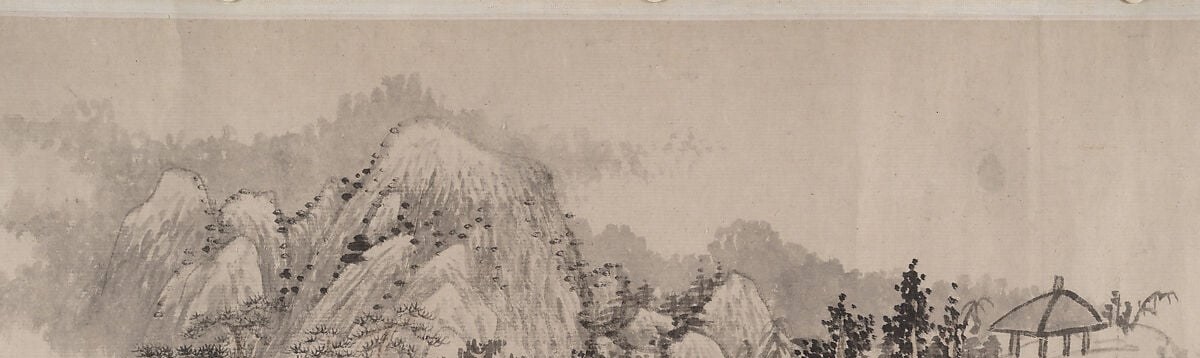
Liu Yu's “Remote Valleys and Deep Forests,” painted in 1678, is a handscroll that masterfully uses ink and subtle color to create a vast, immersive landscape. This painting is a testament to the artist's skill in traditional Chinese landscape art, offering a sweeping panorama that invites contemplation.
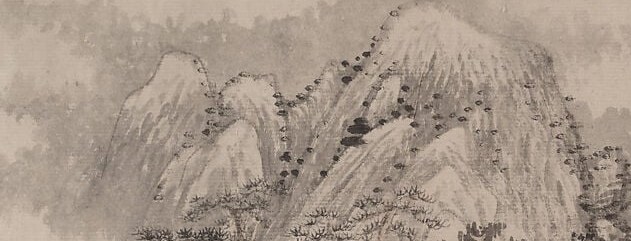
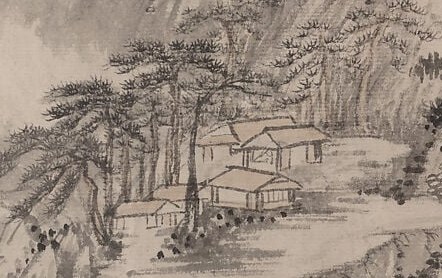
Observe how the delicate application of ink washes builds a profound sense of depth, especially in the distant mountains and the ethereal mist that drifts through the valleys. The gnarled pine trees, rendered with intricate brushwork, showcase the rough, tactile quality of bark, all achieved through varying ink densities and strokes.
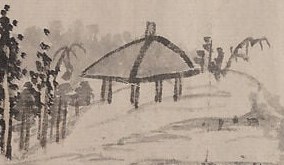
Created during the late Qing dynasty, this work was likely produced in a studio, drawing upon established artistic conventions rather than direct observation. The minuscule human figures traversing winding paths emphasize the immense power and solitude of the natural world, a common theme in Chinese landscape painting.
What details do you find most captivating in this ink-painted world?
Details
Transcript
This isn't just a painting, it's a journey. The artist used ink washes to create immense depth. See how the mist seems to float through the valleys? He built these trees with countless detailed brushstrokes. The bark's rough texture is pure ink on paper. This entire world built with only ink and subtle color.