Portraits of two boys in a landscape, one dressed as a hunter, the other as St. John the Baptist by Douwe Juwes de Dowe
Douwe Juwes de Dowe's *Portraits of two boys in a landscape, one dressed as a hunter, the other as St. John the Baptist*, painted in 1647, features a subtle detail that bridges its two seemingly disparate subjects.
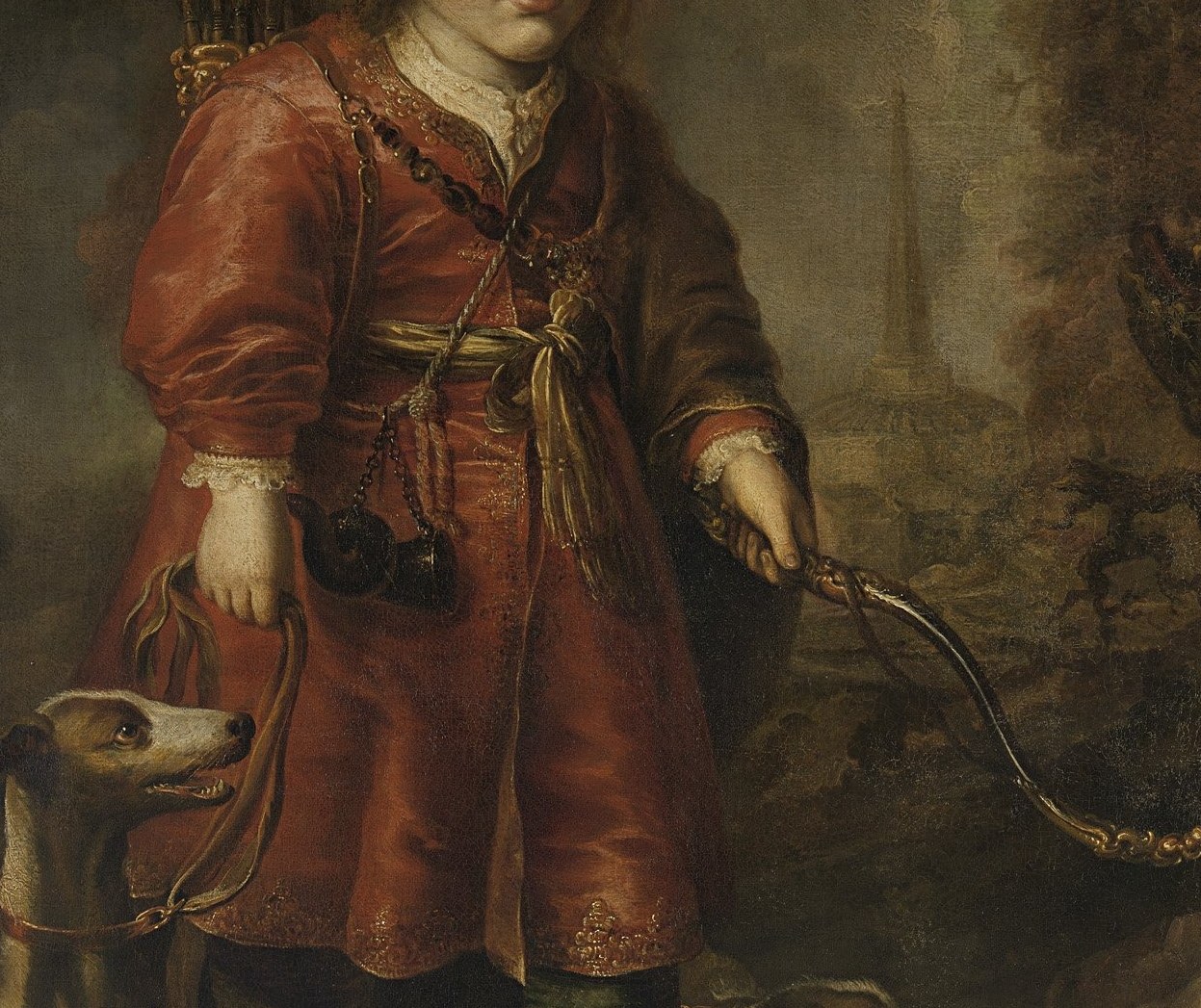
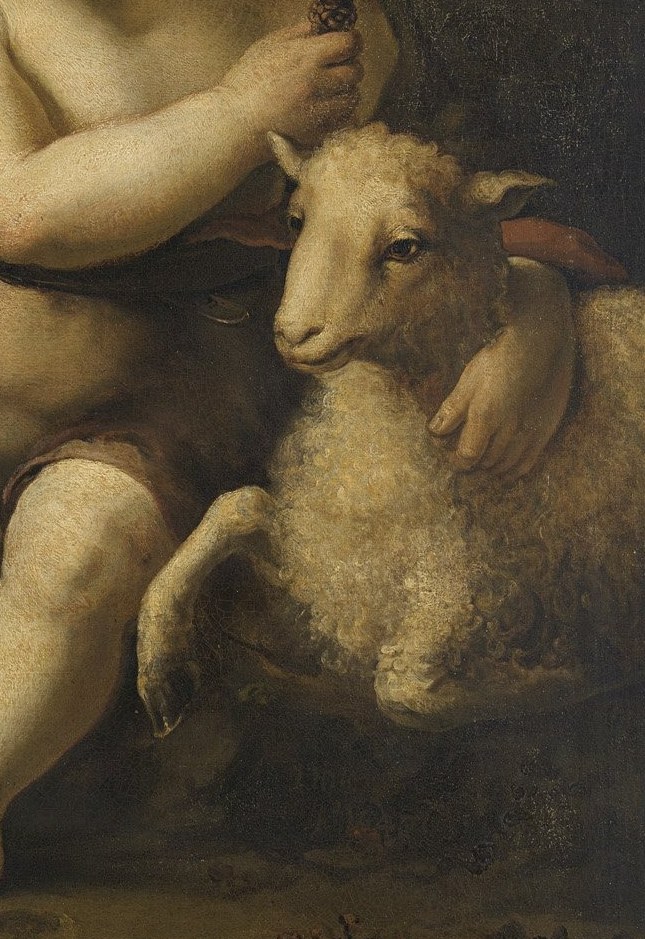
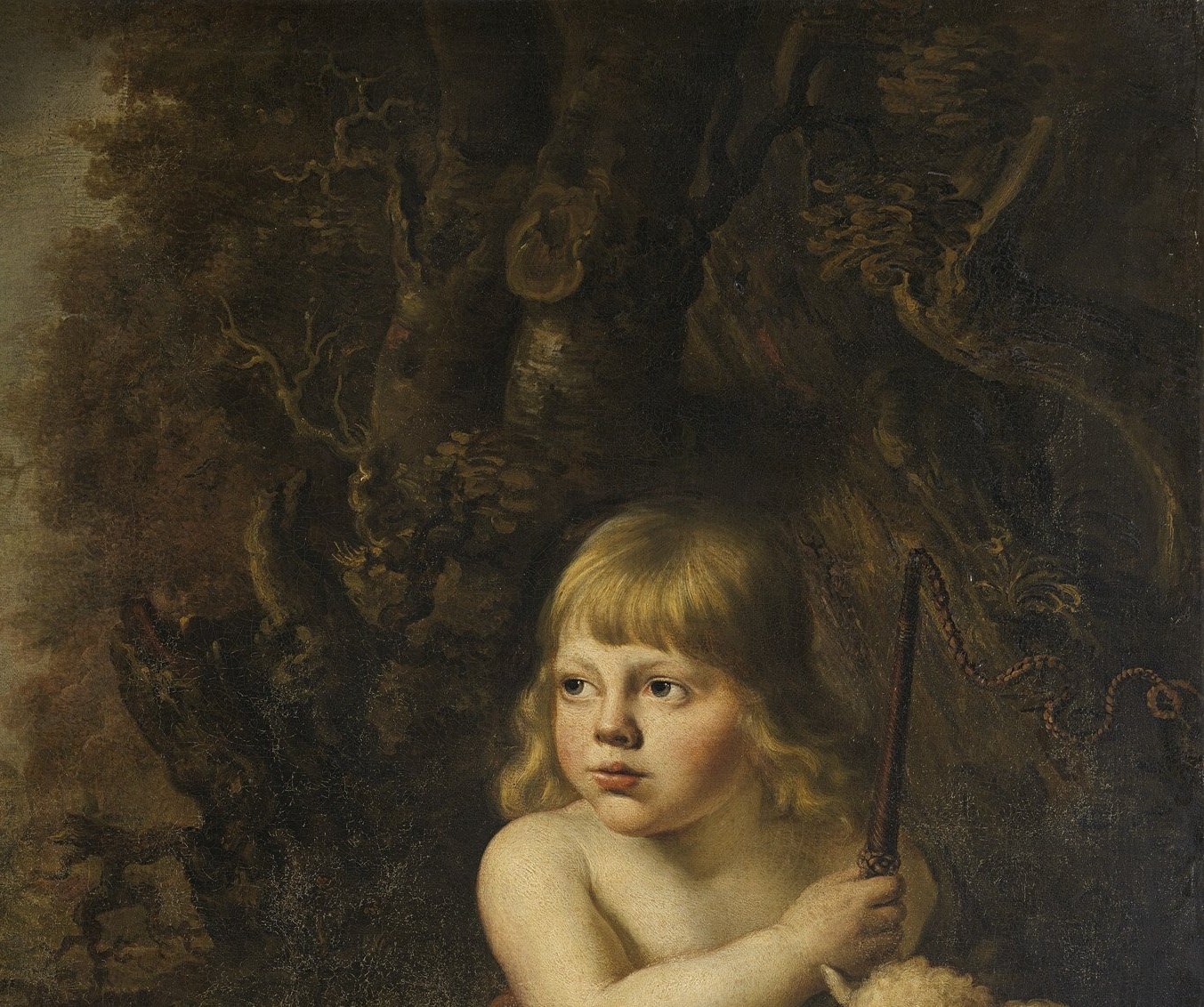
In this painting, one boy is depicted as a hunter in a vivid red coat and feathered hat, accompanied by his dog. The other boy is portrayed as the young Saint John the Baptist, identified by his lamb. The composition initially presents a contrast between secular and religious themes.
However, a closer look at the hunter boy's walking stick reveals a tiny cross at its very top. This detail subtly connects him to the religious figure, suggesting a harmonious blend rather than a stark opposition. In 17th-century Dutch art, it was common for patrons to commission works that combined worldly interests with pious sentiments within a single piece, allowing for a display of both aspects of their lives.
What other hidden details do you think might change the meaning of a painting?
Details
Transcript
This 1647 Dutch painting shows two young boys. One is dressed as a hunter, with his dog and feathered hat. The other is Saint John the Baptist, with a lamb. But why are these two contrasting figures together? In 17th-century Holland, such pairings were common. The hunter's walking stick holds a hidden clue. Look closely at the very top of his stick. There, a small cross, like Saint John's staff.