Portrait of a Man, perhaps a Self Portrait by Jan Verkolje
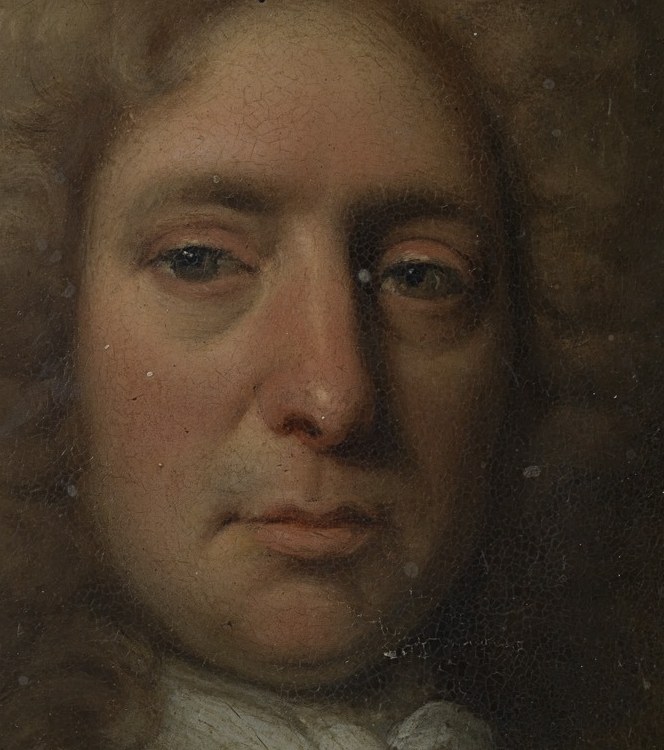
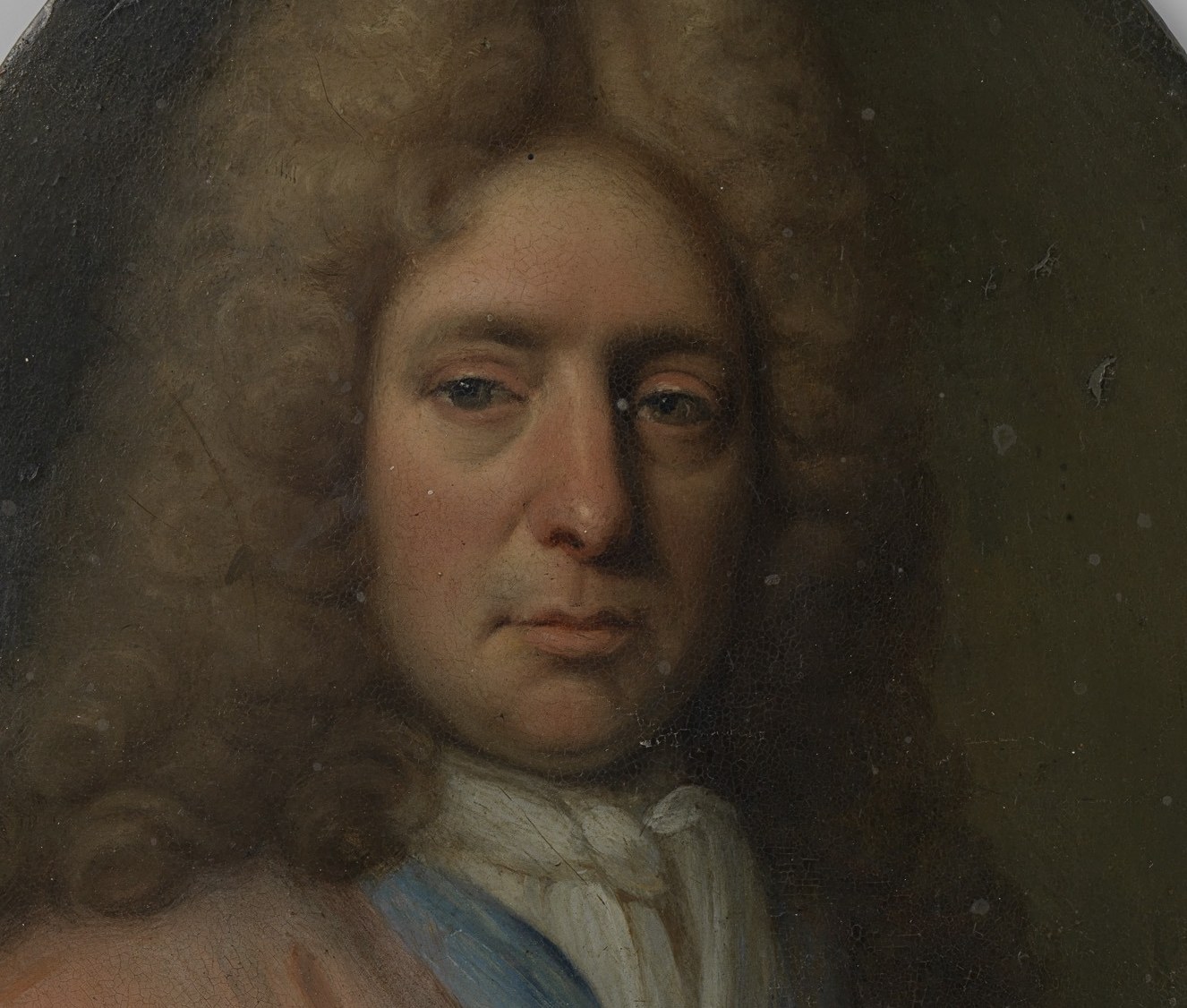
Jan Verkolje’s “Portrait of a Man, perhaps a Self Portrait” (1691) is not painted on canvas, but on a copper plate. This unusual choice allowed for a warm, luminous surface and exceptionally fine detail, reflecting Verkolje's background as a painter, draughtsman, and engraver.
Look closely at the subtle light on his cheek and the intricate strands of his wig; the smooth finish is characteristic of painting on copper. This medium also explains the refined brushwork and subtle chiaroscuro that define the sitter's thoughtful expression.
Verkolje, active in Delft during the Dutch Golden Age, specialized in portraits and elegant interior scenes. His choice of copper for this intimate portrait speaks to the desire for realism and psychological depth in art of that period.
What other surfaces do you think artists experimented with?
Details

Transcript
This Dutch Golden Age portrait shows a thoughtful gentleman. His face is modeled with soft light and shadow. The artist, Jan Verkolje, was also a skilled engraver. He chose an unusual surface for this painting: copper. Copper creates a luminous surface and allows for fine detail. It reflects his background in intricate drawing and engraving.