Robert Coleman by Eichholtz, Jacob
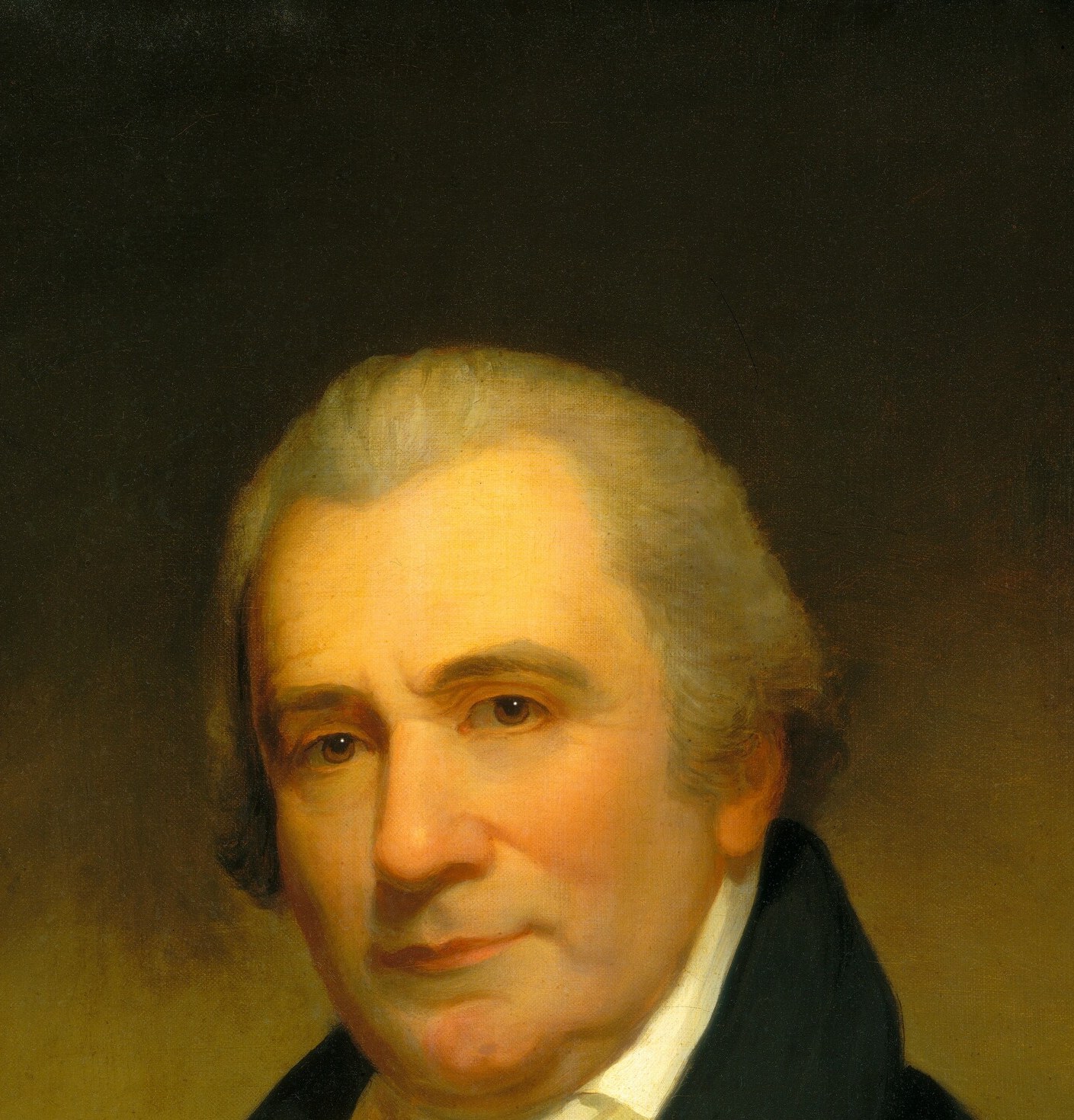
This portrait of Robert Coleman by Jacob Eichholtz, painted around 1820, has survived a radical physical transformation. What appears to be a standard oil painting on wood actually began its life on canvas.
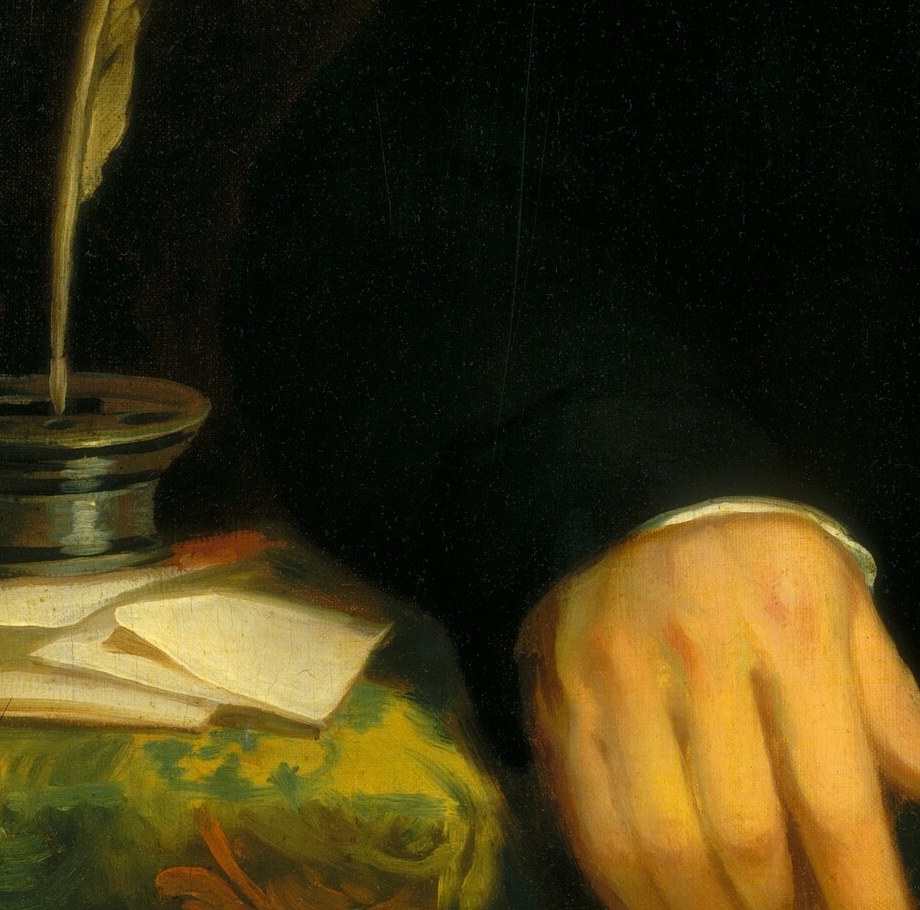
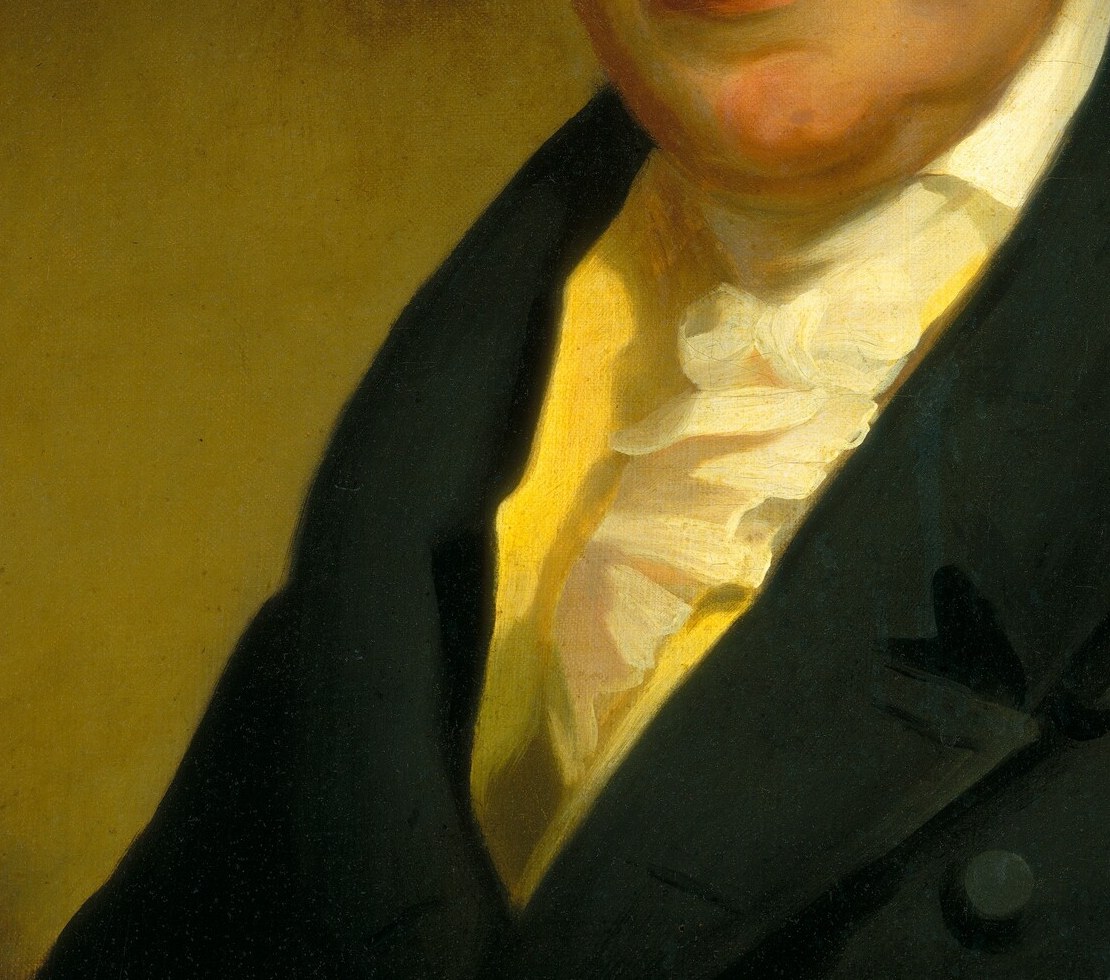
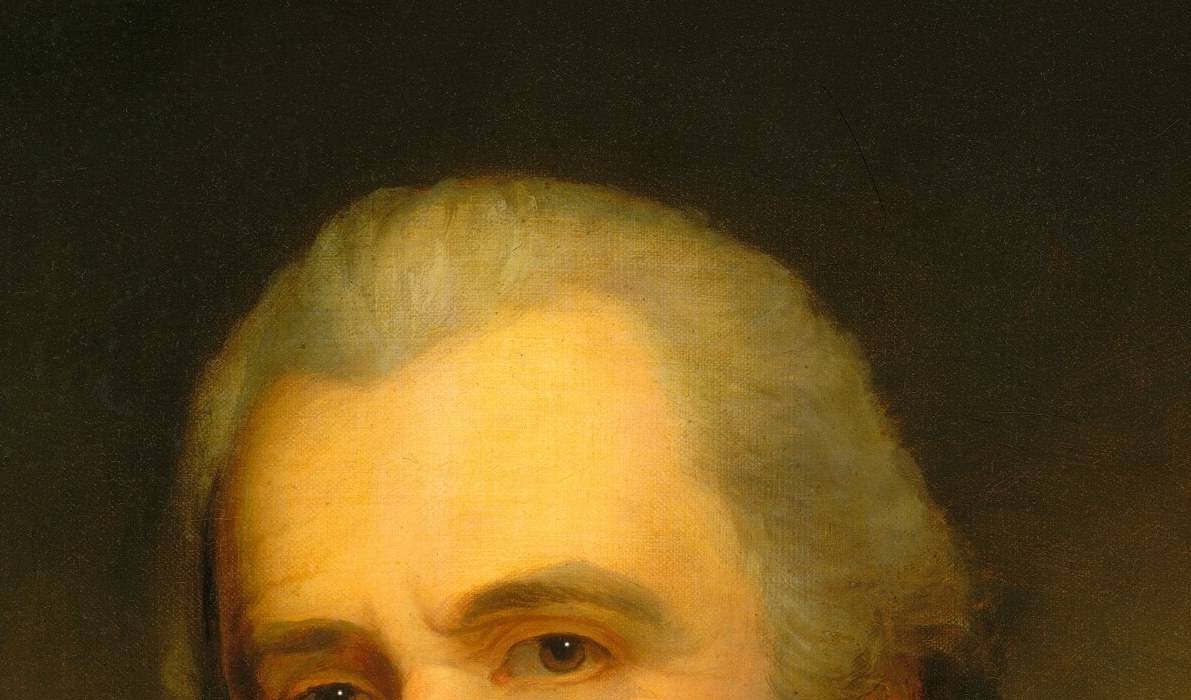
Coleman was a Pennsylvania ironmaster, and Eichholtz captured him with the relaxed authority of a self-made man, left hand resting near his business papers, his weathered face emerging from a dark coat and a warm ochre background. The quill and documents on the table mark him as a member of the early American literate elite.
The work is now held together by a conservation process called a transfer. At some point in its history, the original canvas had deteriorated to the point of failure. A specialist separated the thin paint film from its rotting fabric support and adhered it to a stable wood panel. The procedure kept the image intact but permanently altered the object’s physical structure.
A portrait that looks quiet on the wall carries an invisible drama in its very backing. Have you ever encountered a painting that was physically restructured like this?
Details

Transcript
This portrait of an early American industrialist looks entirely ordinary. His name was Robert Coleman. Pennsylvania ironmaster. Look at his left hand, resting near the documents of his trade. But the real story of this painting sits behind the paint itself. This was originally painted on canvas, not wood. A conservator carefully separated the paint film and glued it onto this panel. A radical surgery, performed to stop the canvas from tearing itself apart.