Major Thomas Biddle by Sully, Thomas Wilcocks
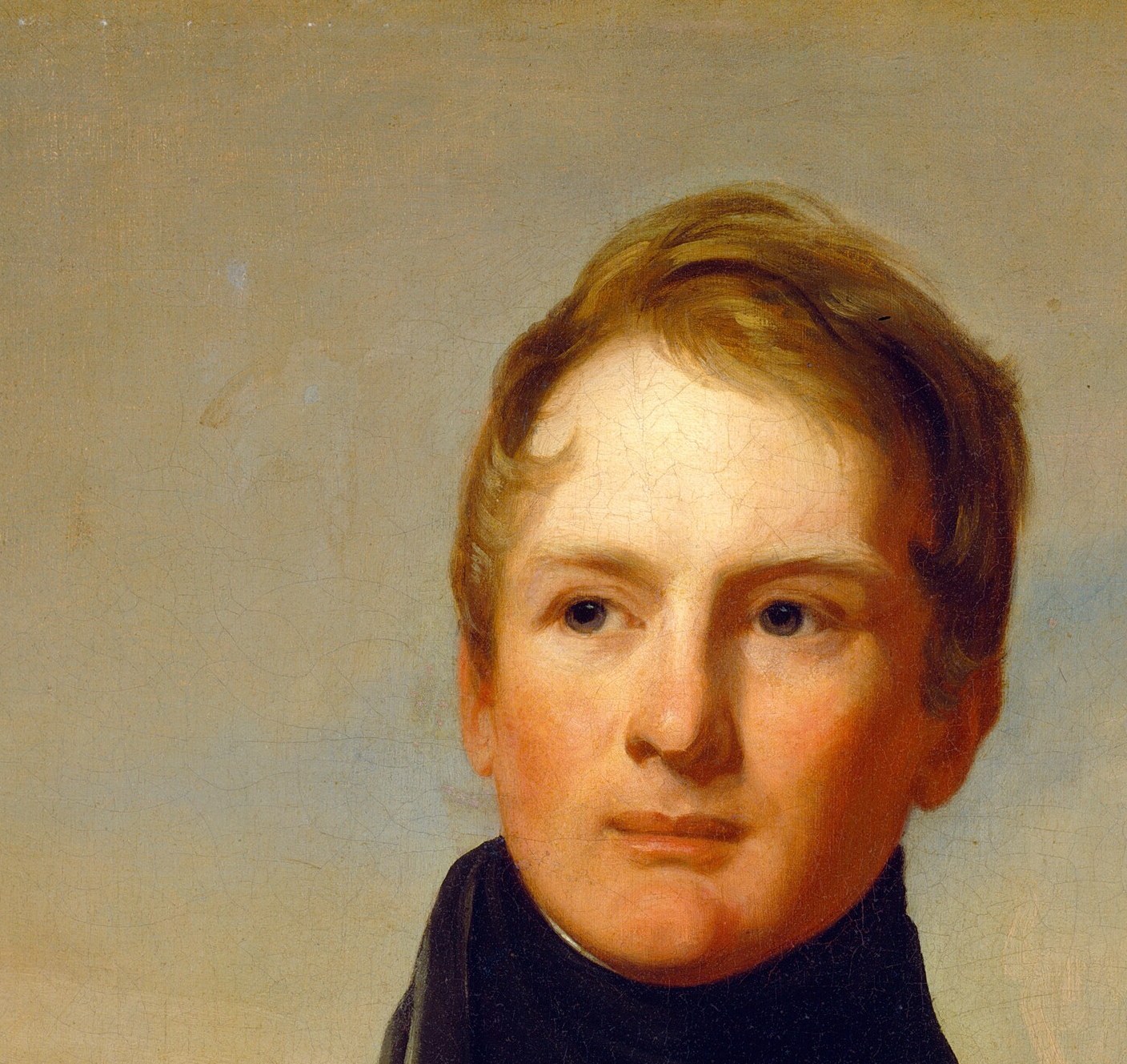
Thomas Sully's 1832 portrait "Major Thomas Biddle" hangs as a quiet monument to what a portrait could cost in early America. Sully was Philadelphia's most sought-after painter, and his fee for a work like this matched an army major's annual pay. This was not a casual transaction. It was a serious, face-to-face negotiation between two men who knew exactly what they were worth.
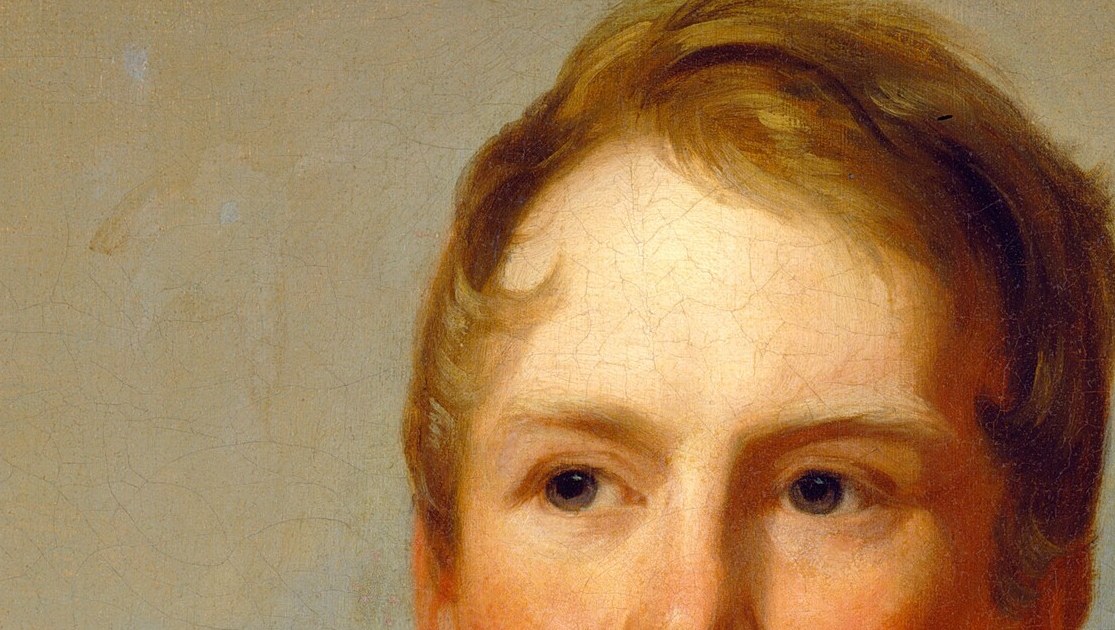
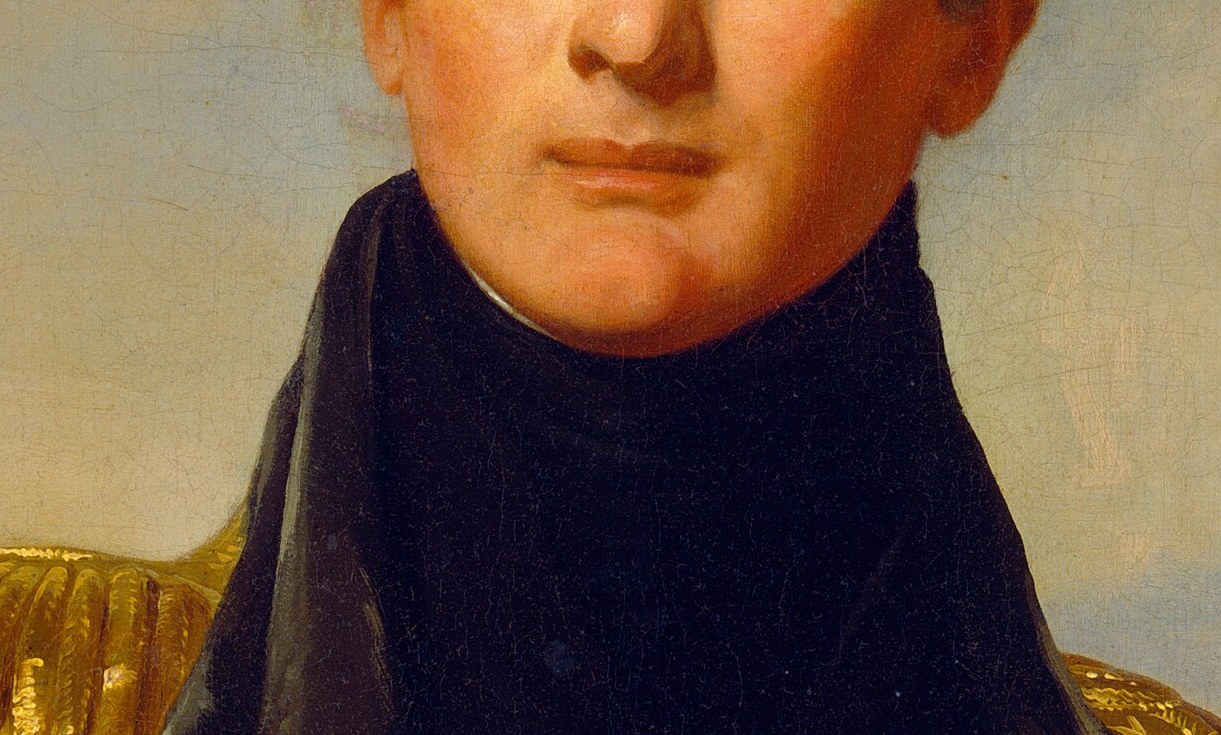
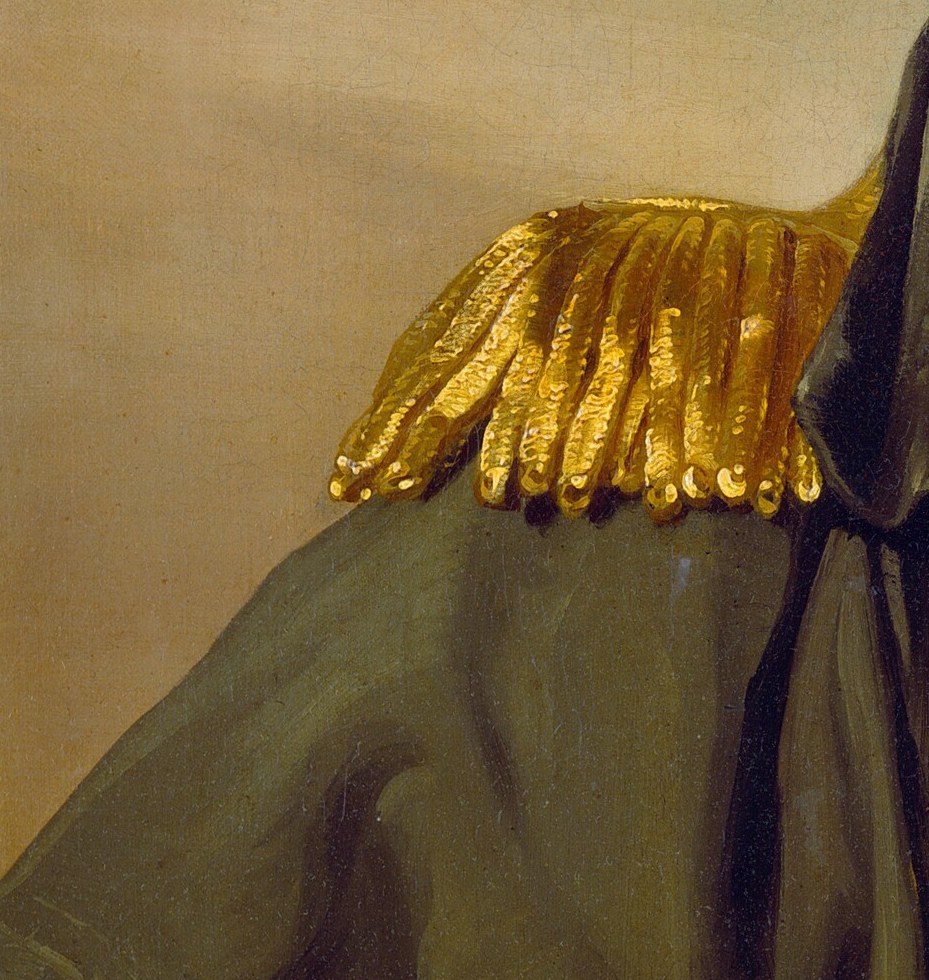
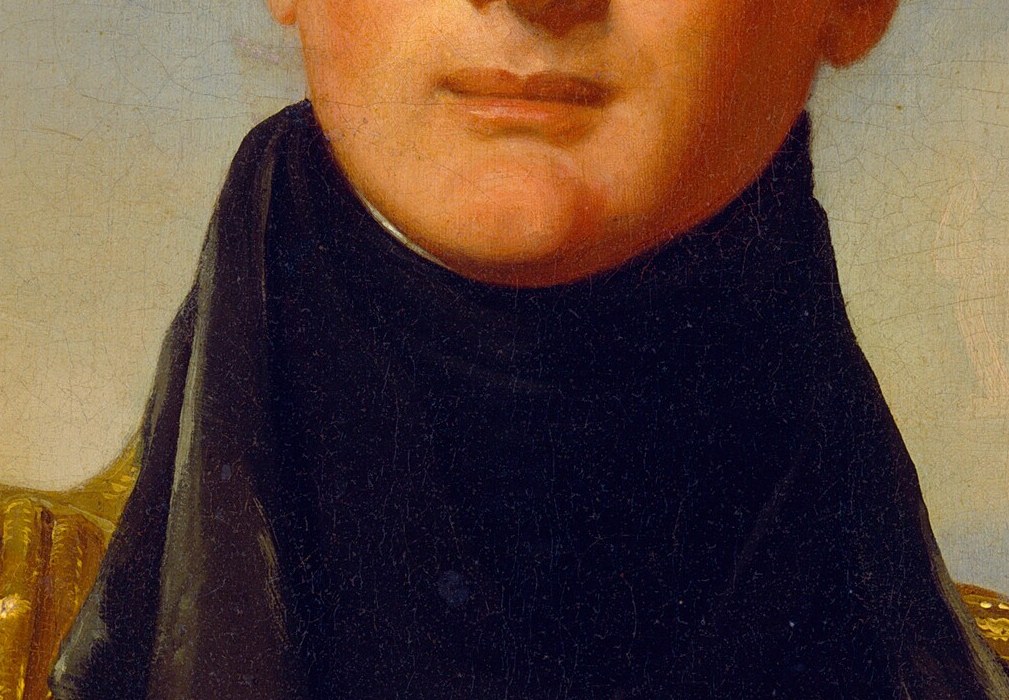
Look at where the effort is. The face is precise, modeled with a care that still holds the eye almost two centuries later. The uniform, by contrast, is painted broadly. The gold epaulettes and the white cravat are brilliant but handled quickly, serving a single purpose: to bracket the face and keep you looking at Biddle. Sully knew that the value of the painting was in the likeness, and he concentrated the labor there.
Sully first met Biddle on a battlefield during the War of 1812, where he made a quick sketch of the young officer. That encounter led to this later commission, and Biddle's steady, appraising gaze suggests a man who was pleased with what his money bought. The painting is now in the collection of the Smithsonian American Art Museum.
A major's salary, once, for a single image. It raises a real question: whose face do we value enough to pay that price today?
Details
Transcript
He met the painter on a battlefield, four years before this. Sully sketched him there. The major never forgot the face he got back. By 1832, Sully was Philadelphia's most expensive living artist. His fee for a head-and-shoulders was known. It matched a major's annual pay. Look how the whole uniform builds a frame around the face. Gold on each shoulder. The white of the cravat pulls the eye up. Sully spent the money on the face. Everything else is looser, freer. Biddle paid for a likeness. He got the man he wanted to be.