Edward Stow by Stuart, Gilbert
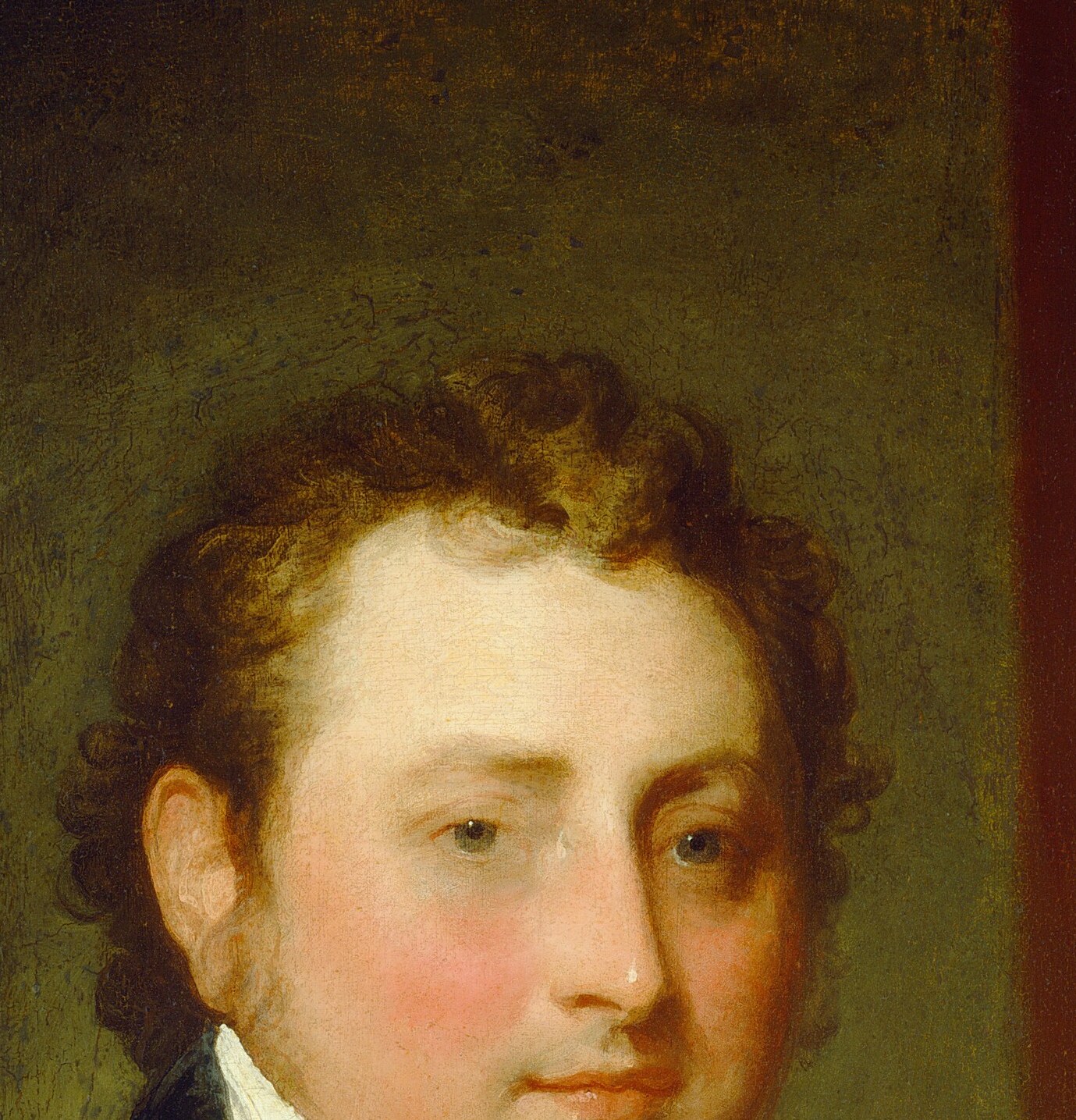
Gilbert Stuart's portrait of Edward Stow, painted around 1803, is a striking example of the artist's technique to prioritize character over detail. This oil on wood portrait, held in an esteemed collection, showcases Stuart's mastery of capturing a lifelike presence. He believed the face was paramount, often leaving other elements of the painting less detailed to ensure the viewer's eye always returned to the sitter's expression.
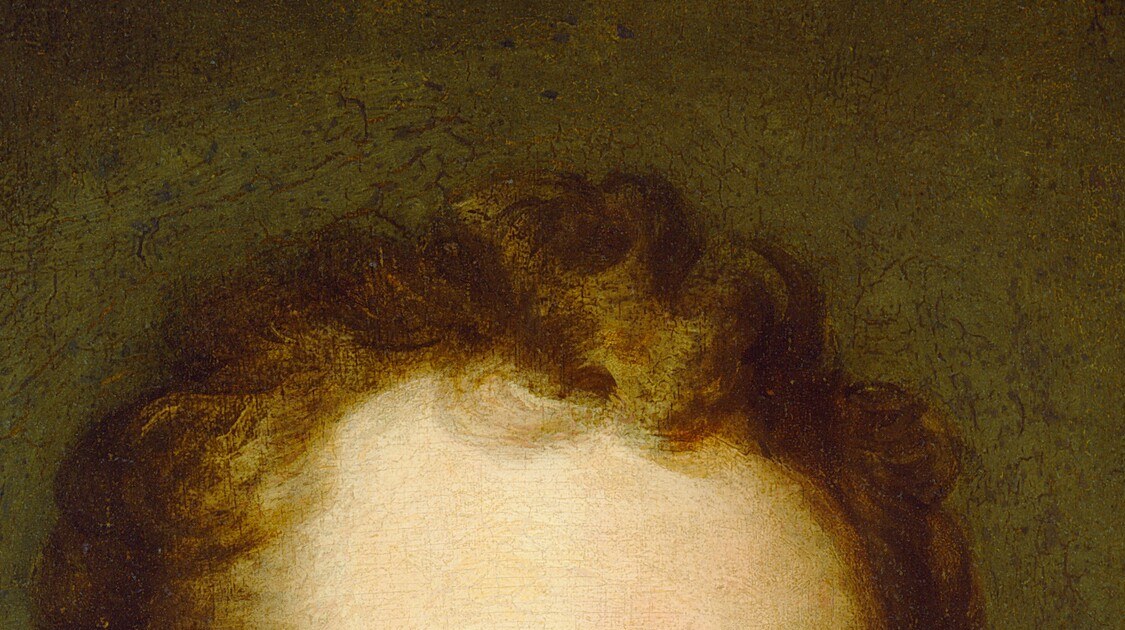
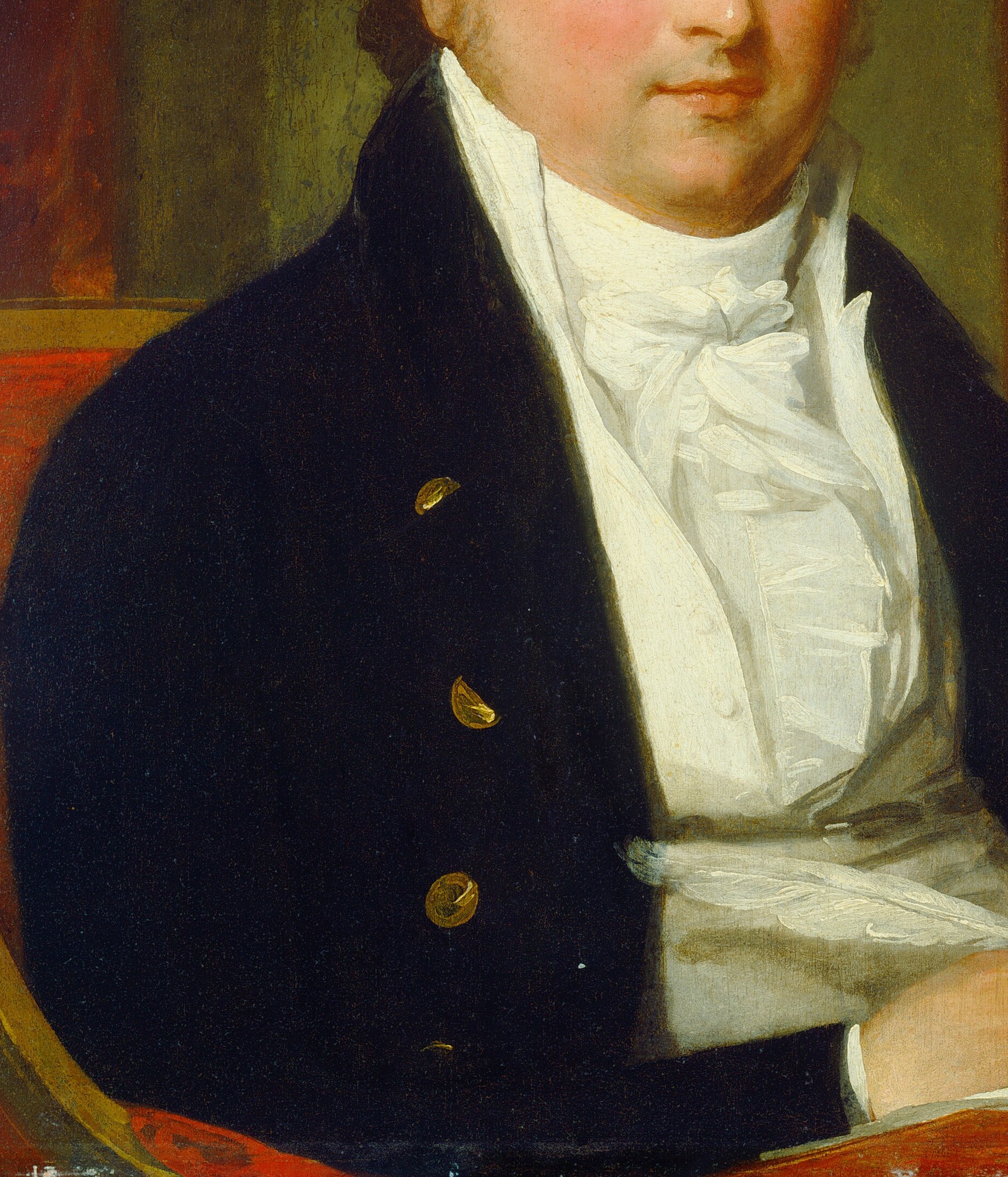
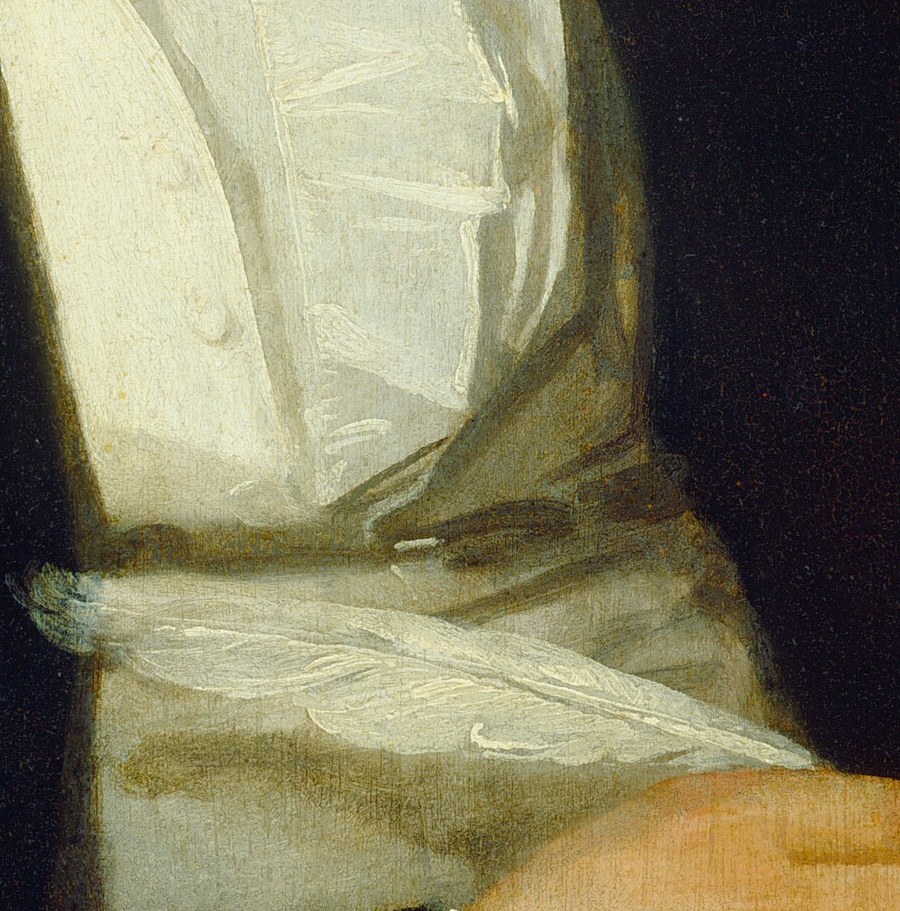
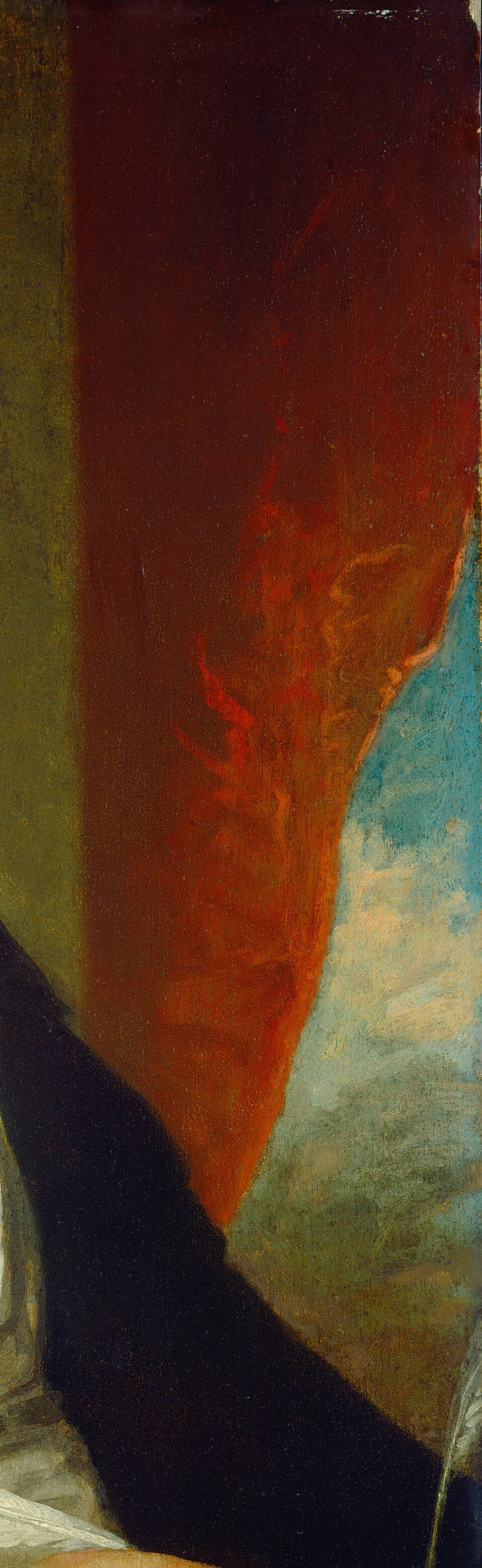
Take a moment to observe Stow's eyes. Stuart was renowned for painting the eyes last, a practice that seemingly brought his subjects to life on the canvas. While his face is meticulously rendered, notice how elements like his dark blue coat and even his hands are handled with broader brushstrokes, almost blending into the background. This deliberate choice ensured that the unique personality of Edward Stow shines through.
Stuart, an American artist (1755-1828), was one of the most important portraitists of his era, known for his iconic depictions of early American figures. His ability to convey a sense of immediacy and individual character made his portraits highly sought after. This piece exemplifies his enduring legacy.
What do you notice most about Edward Stow's expression?
Details
Transcript
This is Edward Stow, painted around 1803. His face, as always with this painter, is intensely lifelike. Gilbert Stuart famously painted the eyes last, bringing the face to life. Notice how the rest of his clothing almost disappears into the background. Stuart deliberately kept details like hands less finished. It was all to focus attention on the sitter's individual character.