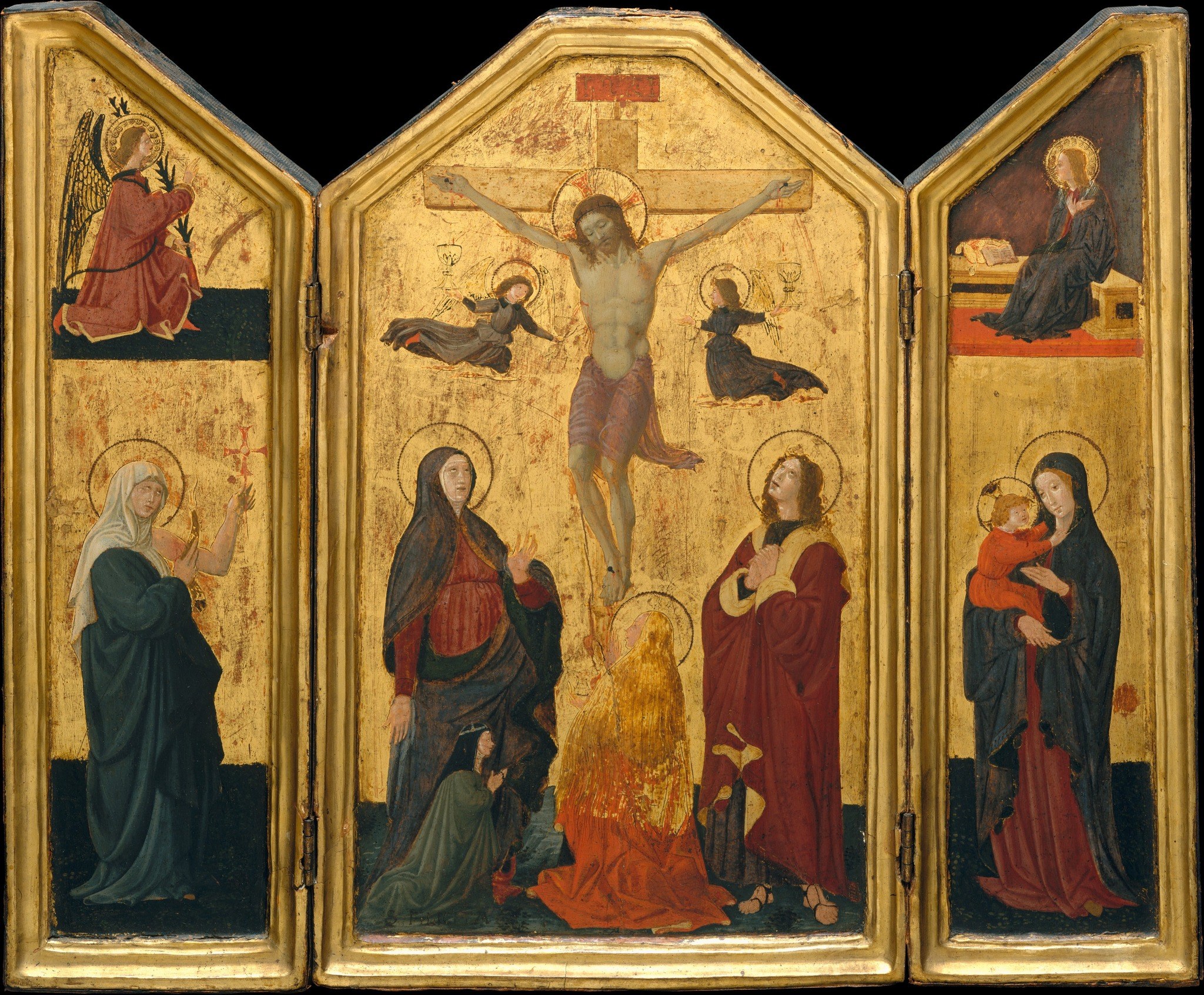
The Crucifixion by Paolo Uccello
Paolo Uccello's "The Crucifixion," painted in tempera in 1455, is an Early Renaissance work held at The Metropolitan Museum of Art. It depicts the central Christian narrative with a powerful blend of divine serenity and human grief.
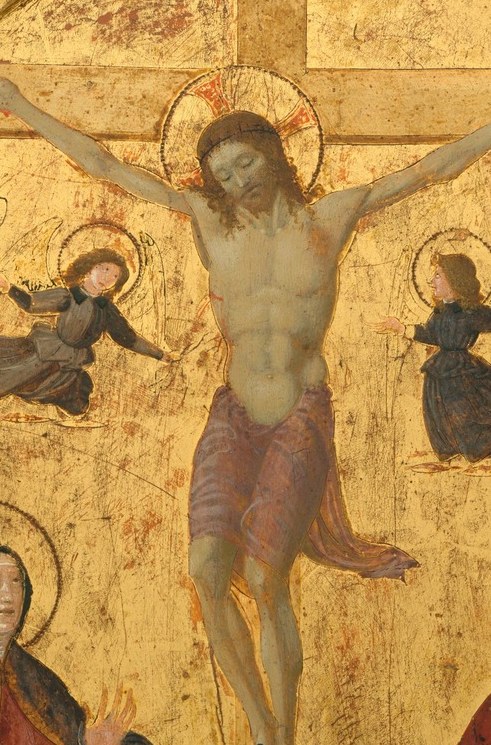
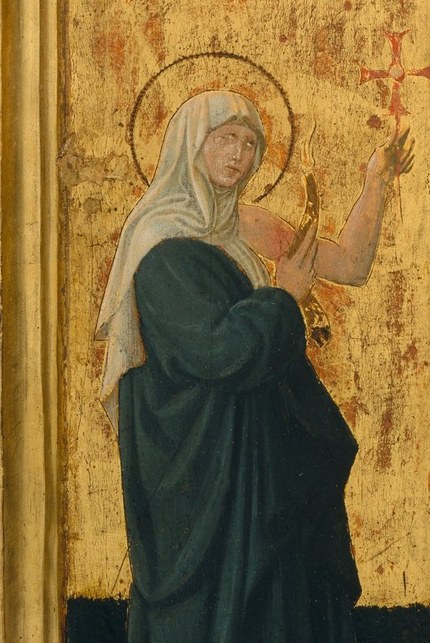
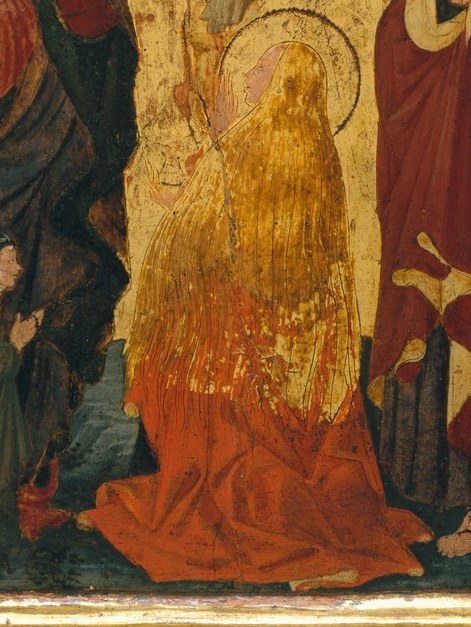
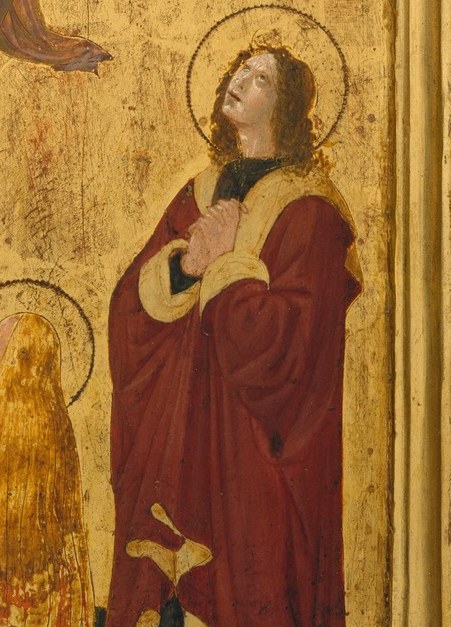
Observe the figure of Christ on the cross, his expression peaceful despite his suffering. Below, the robed individuals convey a spectrum of emotion, from the woman in orange prostrate in despair to the man in red looking heavenward, his clasped hands showing unwavering faith.
Uccello, a Florentine painter and mathematician, was renowned for his pioneering studies in visual perspective. This focus allowed him to create a sense of depth and bring these deeply human and sacred narratives to life. Giorgio Vasari noted his obsession with capturing the exact vanishing point.
This painting invites us to contemplate the profound human experience of faith and loss. What emotions does it stir in you?
Details
Transcript
This painting was made in Florence, 1455, by Paolo Uccello. It shows Christ on the cross, serene despite his suffering. The mourners below show a range of human grief and devotion. This woman, cloaked in orange, prostrates herself in despair. While this man looks up, his clasped hands show faith and hope. His pioneering work on visual perspective captured these emotions.