Portrait of Elisabeth Bellinghausen by Bartholomaeus Bruyn the Elder
In 1530, Bartholomaeus Bruyn the Elder painted this captivating *Portrait of Elisabeth Bellinghausen*, now held at the Rijksmuseum. Bruyn was Cologne's leading portrait painter of his time, renowned for his detailed and insightful depictions.
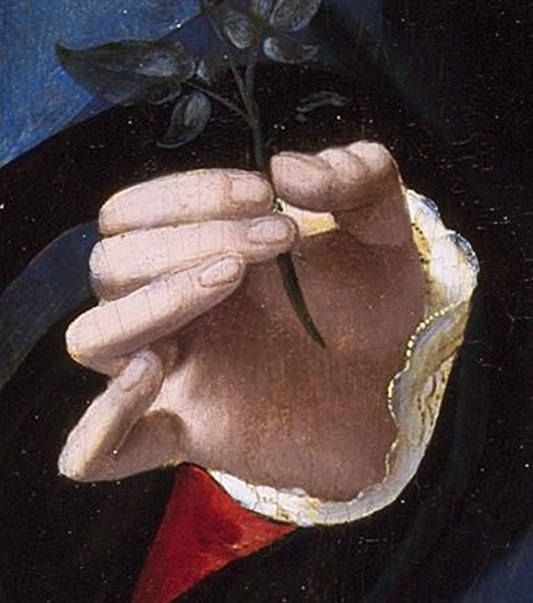
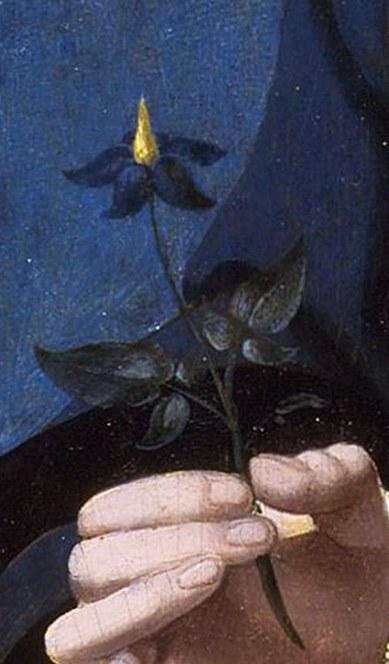
Elisabeth Bellinghausen's portrait offers more than just a likeness. Notice the sprig of bittersweet nightshade she holds delicately in her hand. This plant, with its dual nature of beauty and toxicity, carries significant symbolism.
In the Northern Renaissance, the nightshade could represent a complex array of meanings, from virtue and truth to temptation and danger, or even the fleeting nature of life. Its inclusion here adds a layer of depth, hinting at the sitter's character or a message from her time.
What might Elisabeth Bellinghausen have wanted to convey with this subtle, yet powerful, detail?
Details


Transcript
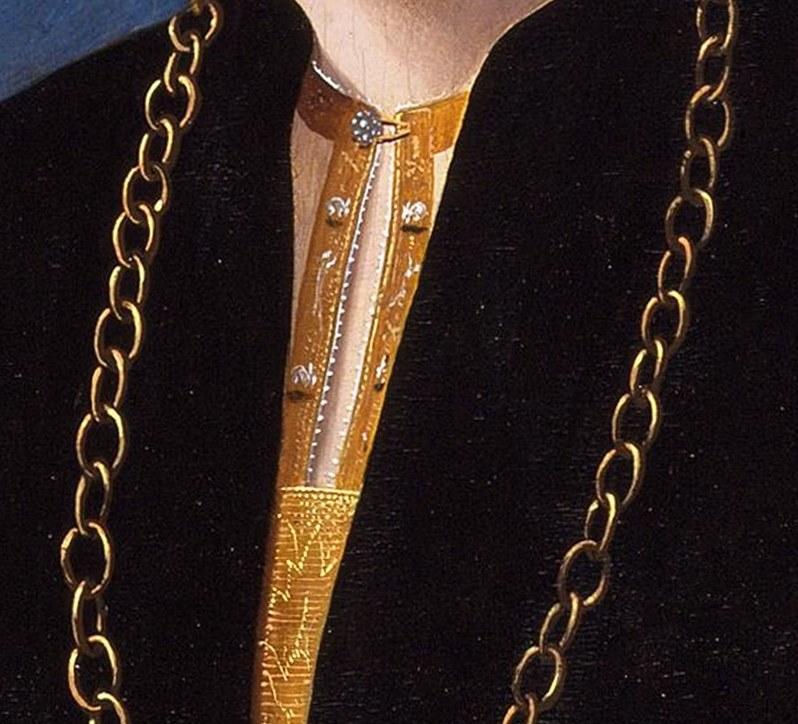
In 1530, this painter captured a woman of quiet dignity. Her attire, with its rich fabrics and jewels, signals her status. But look closely at what she holds in her hand. It is a sprig of bittersweet nightshade, beautiful and poisonous. In the Renaissance, this plant symbolized both virtue and temptation. A subtle, complex message held in a delicate grasp.