明/清 惲向 欲雪圖 冊頁|Snowscape, from Album for Zhou Lianggong by Yun Xiang
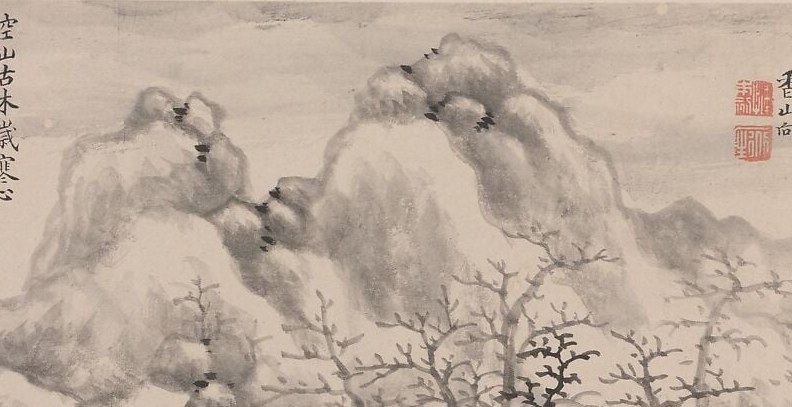
Yun Xiang's "Snowscape, from Album for Zhou Lianggong," created around 1650, is a masterful example of Chinese landscape painting, using ink on paper. Part of a larger album, it evokes the quiet anticipation of winter through subtle brushwork and the clever use of unpainted space.
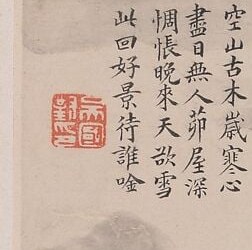
Observe the solitary figure on the mountain path, dwarfed by the immense landscape, moving towards a temple partially obscured by mist. This detail invites contemplation, but the painting holds even more. The numerous blocks of calligraphy and bright red seals are not mere decorations.
These seals are often collector's marks, applied over centuries, each one tracing the painting's provenance and the hands it passed through. They are historical fingerprints, offering a hidden narrative about the artwork's journey through time.
What other stories do you think these ancient marks might tell?
Details
Transcript
This ancient Chinese snowscape feels impossibly vast. Its painter, Yun Xiang, used blank paper to represent snow. See the tiny figure on the path, heading towards a temple? But the painting holds other, smaller hidden details. Look closely at the blocks of text and bright red seals. These are not just signatures; they are collector's marks. Each seal tells a story of the painting's long journey.