Still Life with Strawberries by http://www.wikidata.org/.well-known/genid/d8ea84c5da323cc0437a4e22ebb7a3d5
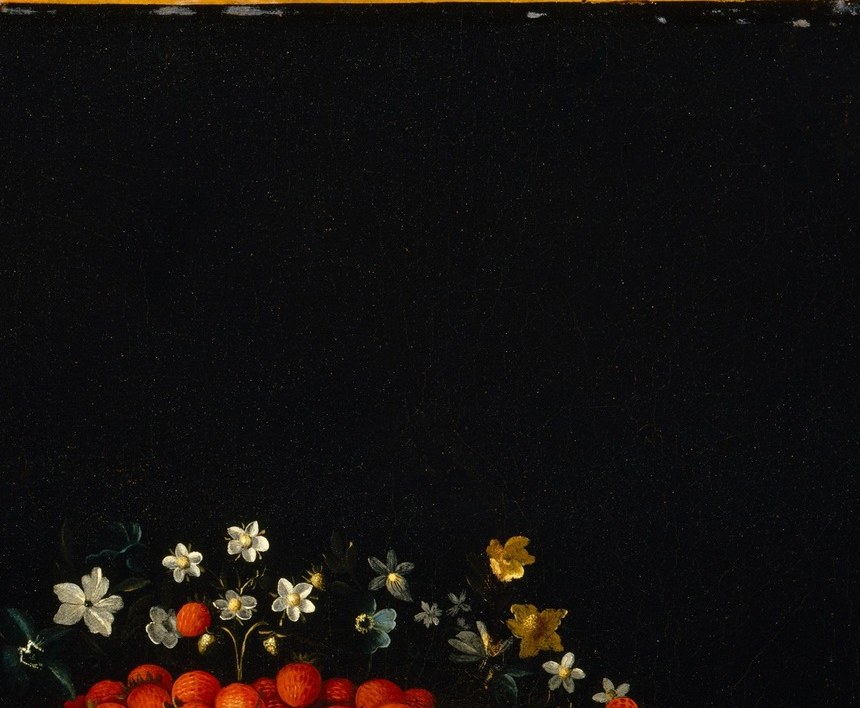
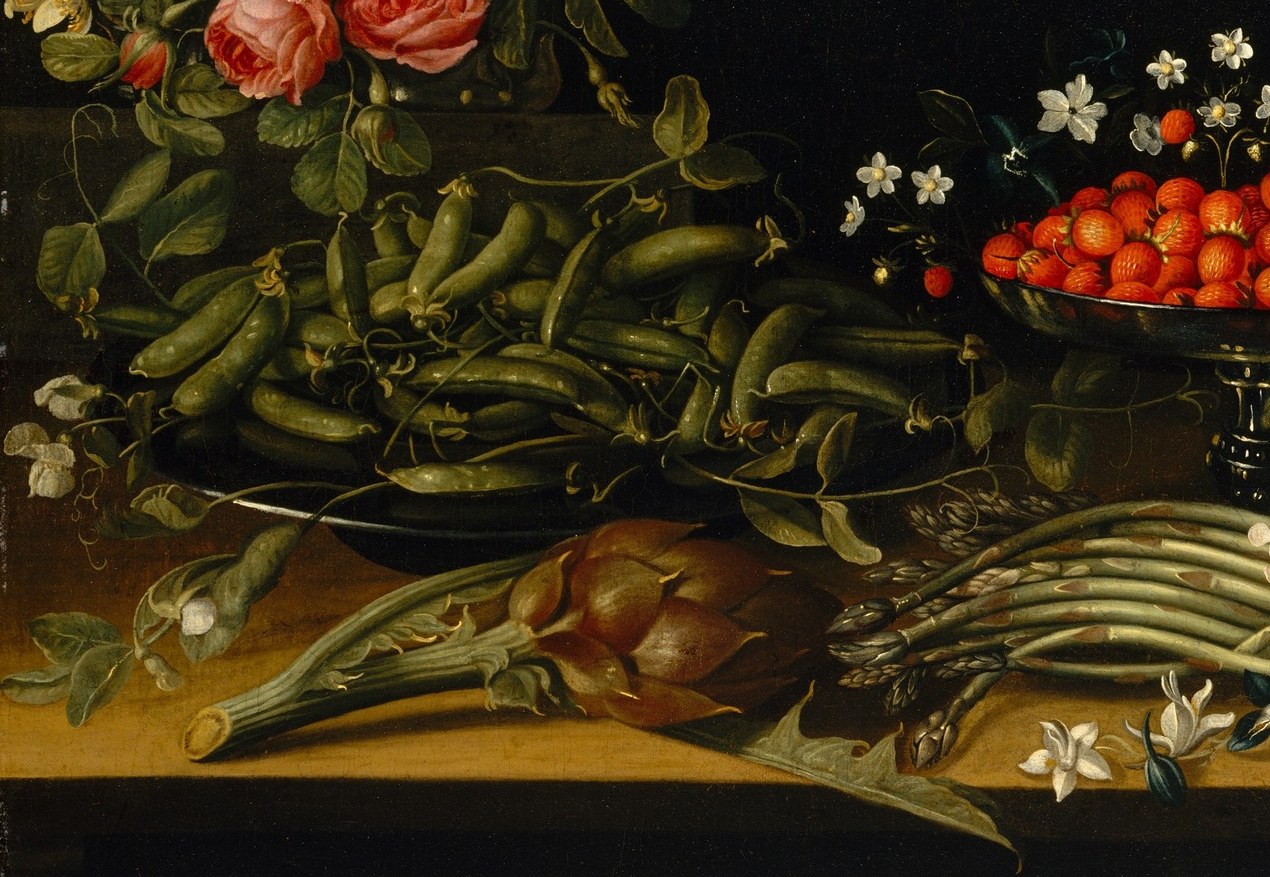
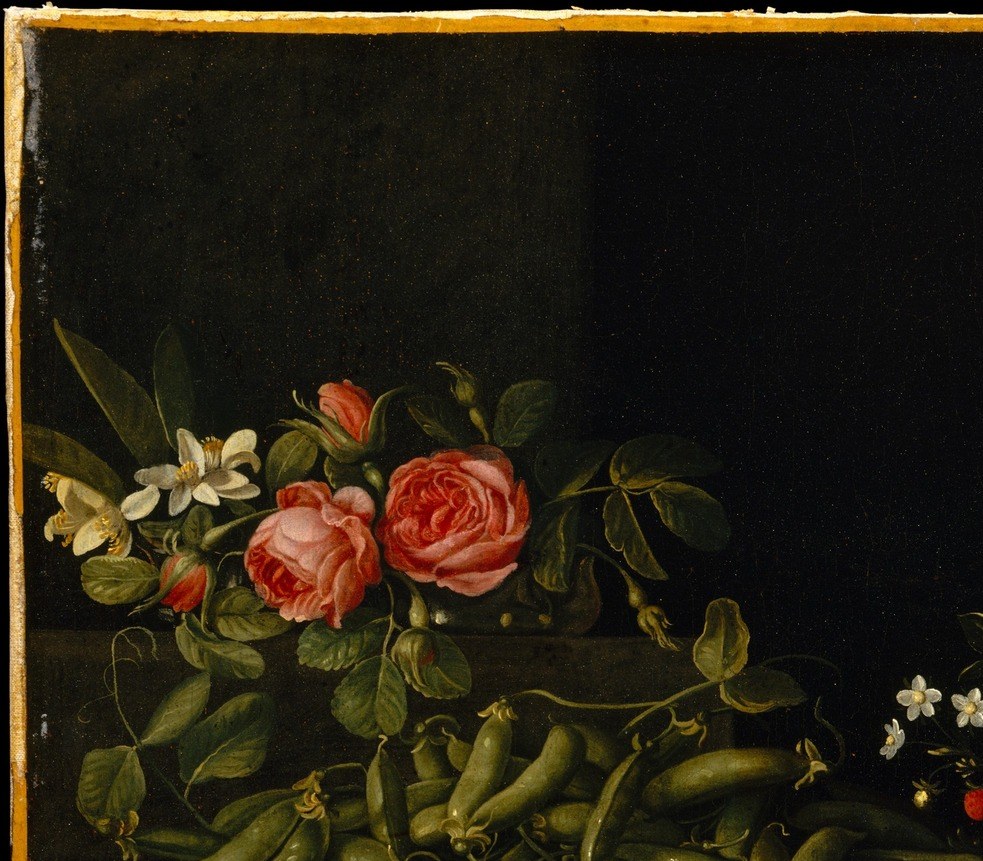
This is Still Life with Strawberries, painted around 1700 by the Dutch artist Adriaen Coorte. It lives today in a private collection. For more than two centuries, the painting was completely unknown, not because it is bad, it is technically brilliant, but because Coorte was effectively erased from the art world after a scandal that began with this canvas.
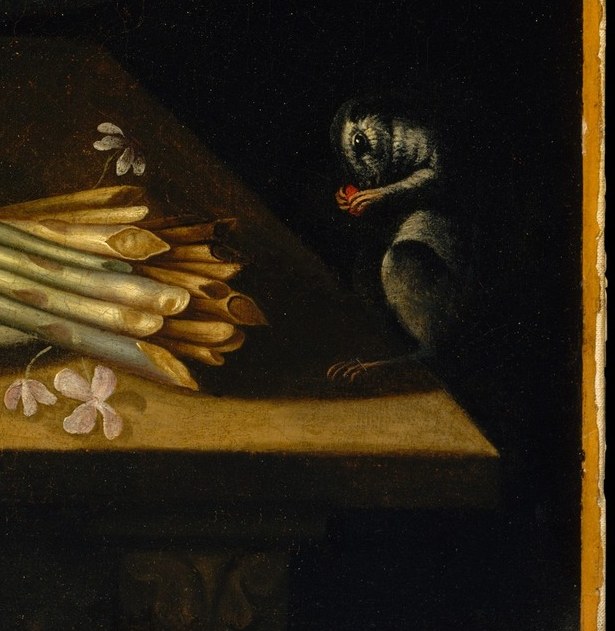
Look at the lower right corner. A small squirrel emerges from the darkness, its paws resting on the stone ledge. At first glance, it has the charm of a hidden Easter egg. But in the Dutch Golden Age, a squirrel in a still life was not a pet. It was a symbol of greed, hoarding, and waste. To place one among a patron's carefully arranged display of luxury, strawberries, expensive asparagus, was an accusation.
The patron who commissioned this work recognized the insult immediately. The story passed down through guild gossip: the painting was rejected, and the local artists' guild formally discouraged Coorte from ever painting again. He obeyed. He produced almost nothing afterward, and his name fell out of the record until scholars rediscovered his tiny, luminous body of work in the 20th century.
Coorte's revenge, if that is what it was, is also his genius: he painted the very thing that condemned him with such care that the squirrel's fur, eye, and tiny hands reward a zoom even today. The insult is also the masterpiece. What do you think, deliberate sabotage, or a joke that backfired?
Details

Transcript
1700. A Dutch painter delivers a still life to a wealthy patron. Strawberries, roses, asparagus. A picture of summer abundance. But the patron was horrified. The guild demanded he never paint again. The problem was not the fruit. It was this. A squirrel. In Dutch symbolism, a hoarder, a thief of plenty. The patron saw an insult: his wealth, a pile for a greedy rodent. The painter lost his commissions. The painting disappeared for a century. A private joke in paint, hiding in plain sight on the table's edge.