Mr. Tucker of Yeovil by British 19th Century
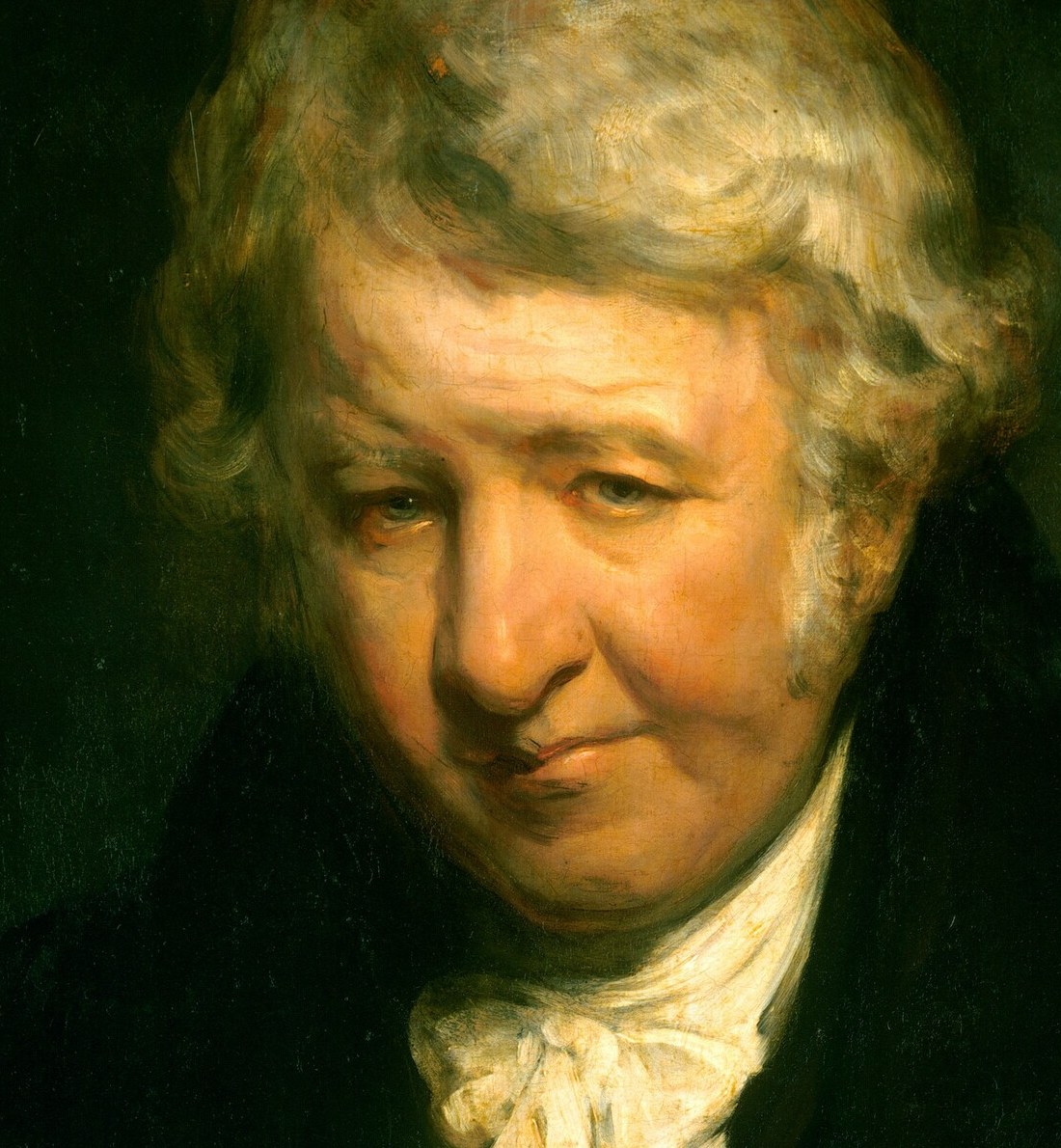
Step into the quiet world of *Mr. Tucker of Yeovil*, a compelling oil painting on canvas from around 1800 by a British 19th-century artist, held in a private collection. This portrait captures a specific individual, whose identity remains largely a mystery, yet whose presence fills the canvas with understated dignity.
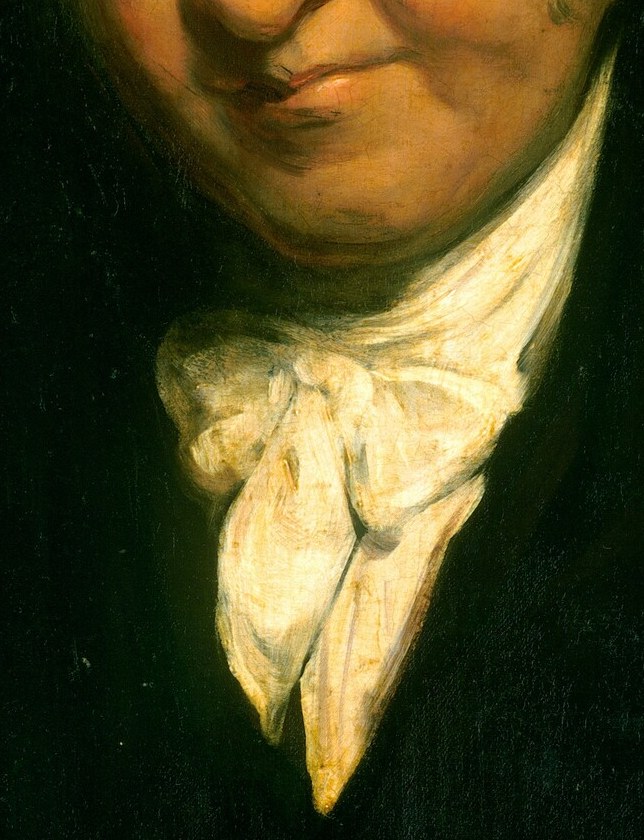
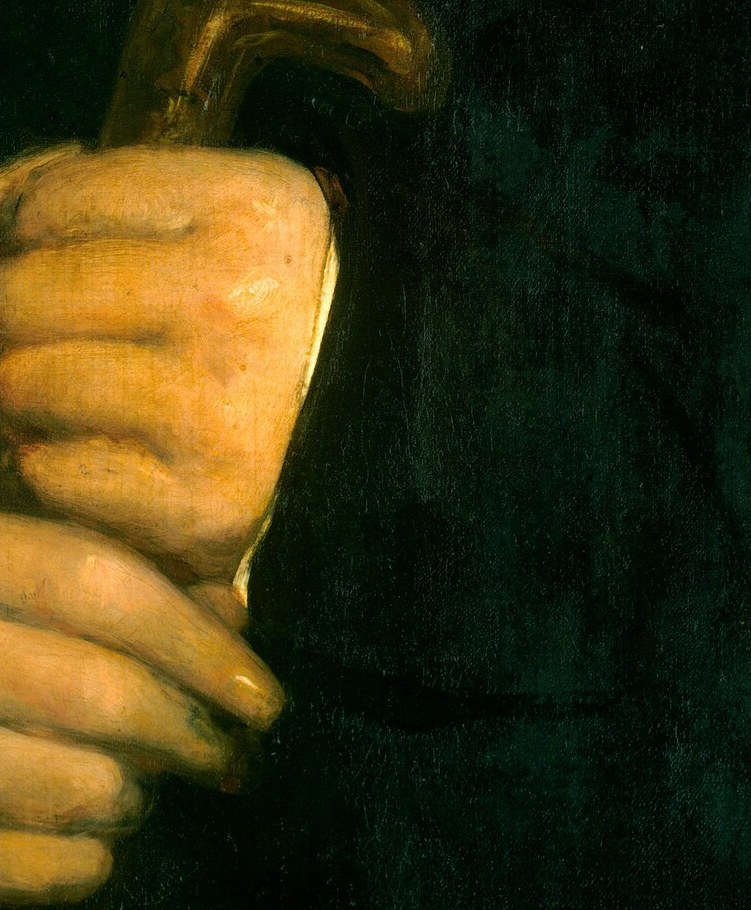
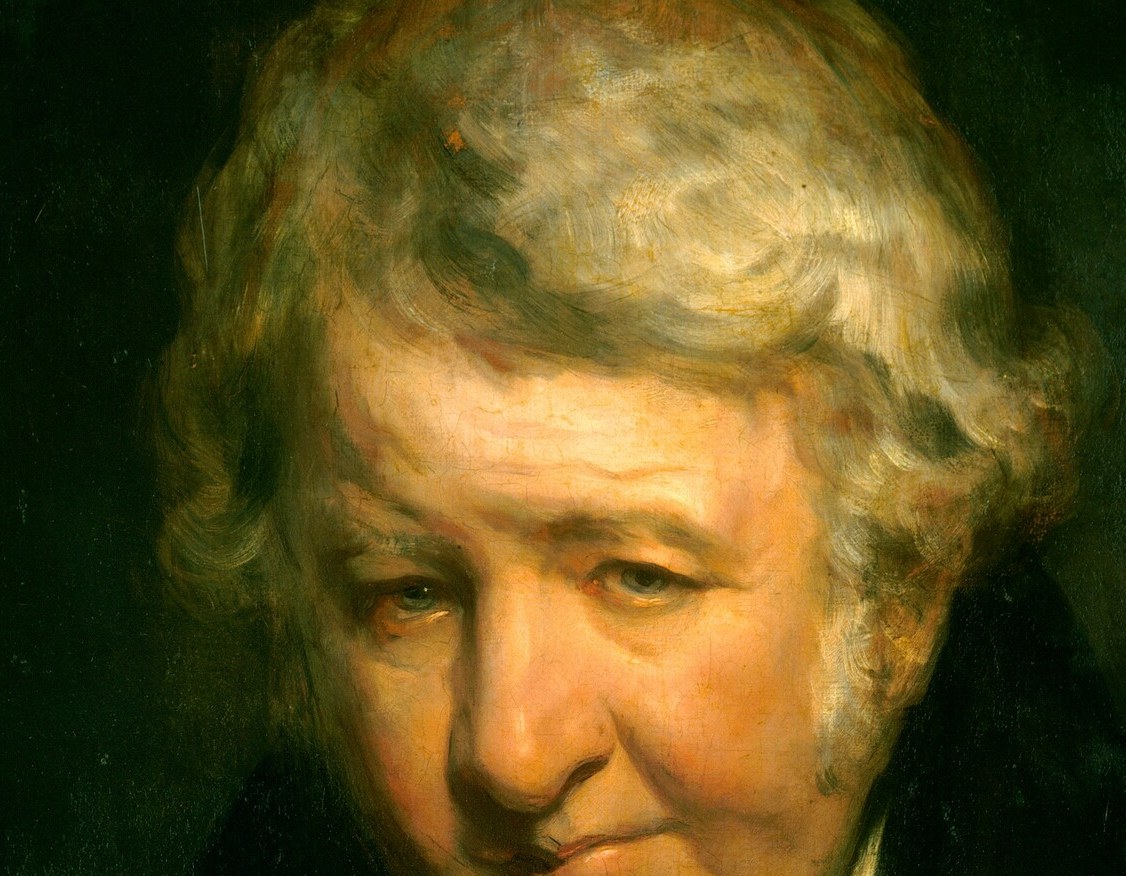
The artist masterfully uses light and shadow, known as chiaroscuro, to highlight Mr. Tucker's face and hands. Notice the subtle details: the texture of his greying hair, the crisp white cravat, and the wrinkles on his hands, which speak volumes about a life lived. His hands gently grip a walking stick, a personal accessory that hints at routine and history.
While the specific context of the painting and the artist are largely unknown, the work aligns with the conventions of British genteel portraiture of its time. It emphasizes individual character and modest respectability, portraying a man who, despite his unknown history, leaves a lasting impression of quiet strength and experience.
This painting invites us to ponder the stories held within such everyday faces, those individuals who shaped their communities without ever stepping into the grand narratives of history. What do you imagine Mr. Tucker's life was like?
Details
Transcript
This is Mr. Tucker of Yeovil, painted around 1800. We know little about him or the British artist. His greying hair and the wrinkles in his hand tell a story. He was a provincial gentleman, likely of modest respectability. His folded hands grip a familiar walking stick. The painter captures a man with quiet dignity and experience.