明/清 佚名 倣文徴明 山水 扇|Landscape by Wen Zhengming
This painting, titled "Landscape (After Wen Zhengming)," is an anonymous work from the Ming or Qing dynasty, created around 1506. It's a superb example of how Chinese artists conversed with nature, philosophy, and each other across generations.
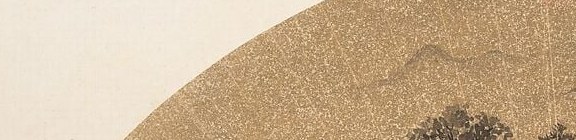
Look closely at the subtle details. The distant, hazy mountains suggest depth and the mysteries of the universe, while the solitary figure on the winding path invites contemplation of life's journey. The small pavilion is a recurring motif in literati painting, representing a place for quiet reflection amidst the grandeur of nature.
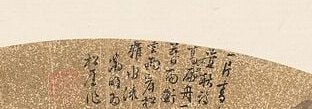
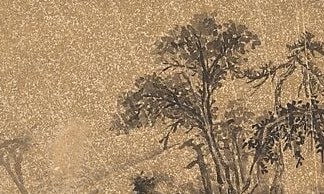
This piece, painted on gold-flecked paper, emulates the style of Wen Zhengming (1470-1559), a master who saw painting and calligraphy as equally vital arts. Artists often copied masters to refine their skills and pay tribute. Wen Zhengming himself was known for his meticulous detail and serene compositions, reflecting his own quiet, scholarly life in Suzhou.
Each brushstroke and inscription in these works is a deliberate choice, crafting a message that transcends mere depiction. What message do you receive from this quiet scene?
Details
Transcript
This isn't just a painting, it's a conversation. The distant mountains, softened by haze, represent depth and the unknown. This solitary figure on a winding path symbolizes life's journey. The small pavilion is a place for contemplation and retreat. The artist, Wen Zhengming, often included his precise calligraphy. His writing was considered as important as the painting itself. Every element tells a story of nature, journey, and inner peace.