Charles Apthorp by Robert Feke
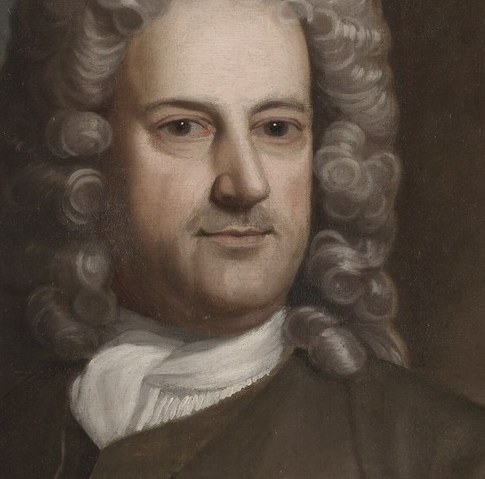
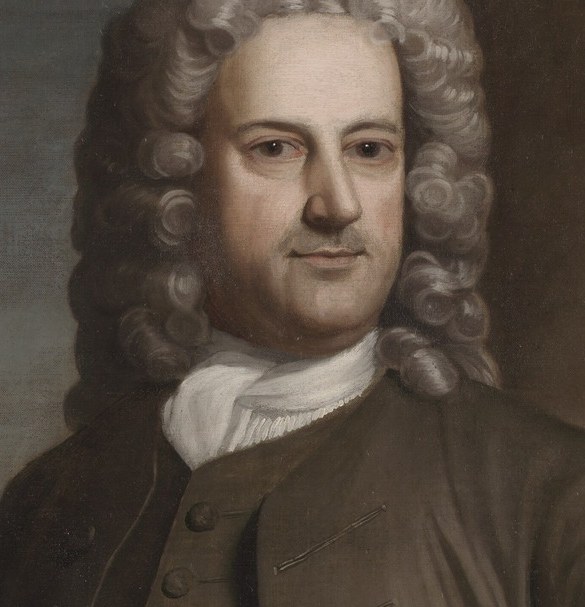
Robert Feke's 1748 portrait, Charles Apthorp, in The Cleveland Museum of Art, showcases the remarkable skill of an American painter who elevated colonial art. Feke was known for bringing a new standard of quality to portraiture in the American colonies.
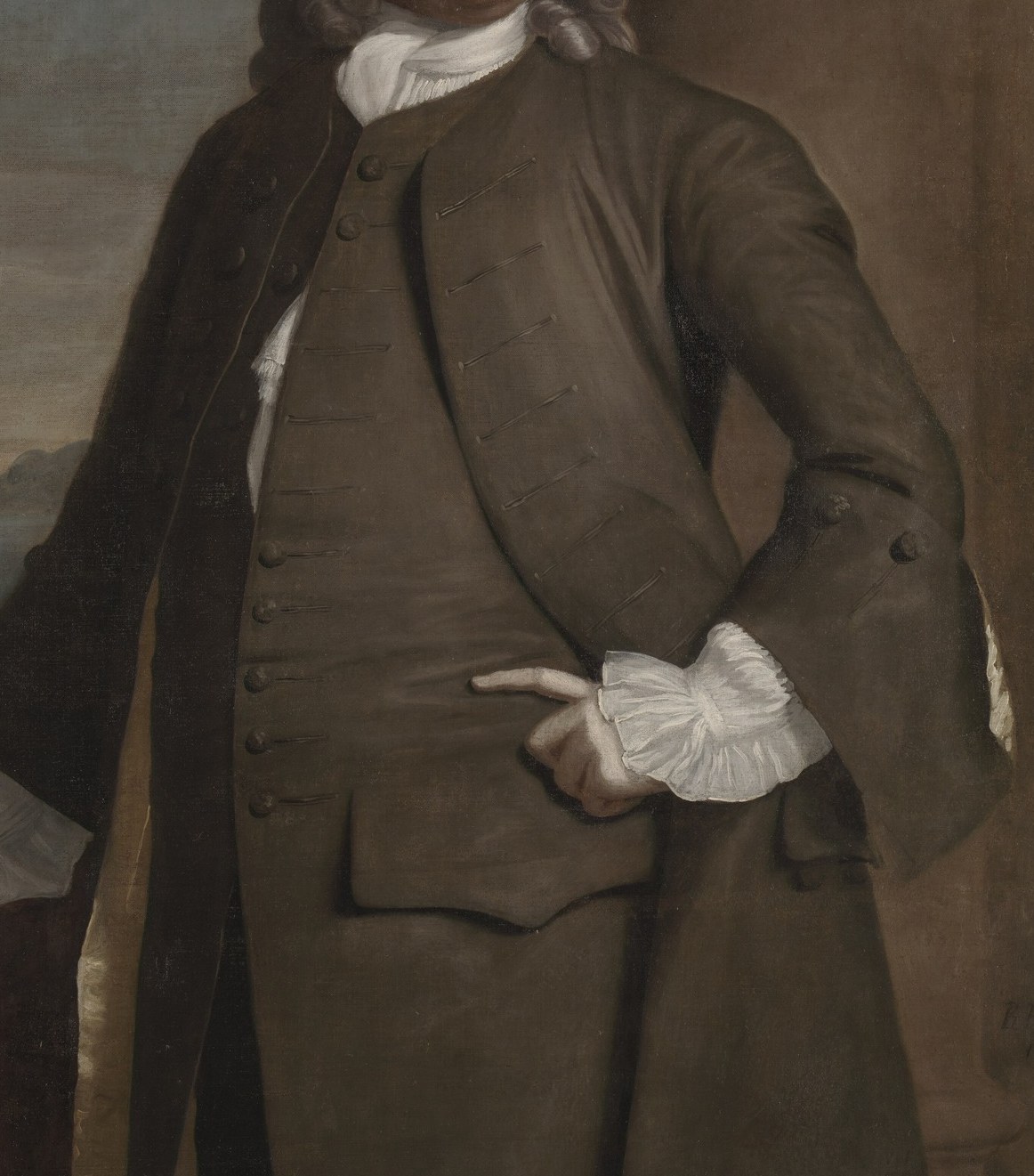
Observe the subtle rendering of the dark coat, which almost allows you to feel the fabric. The true mastery, however, lies in the delicate lace cuff, a tiny triumph of brushwork.
Born around 1705, Robert Feke was a pivotal figure in mid-18th century American art. This oil painting is one of approximately 60 surviving works by Feke, with twelve being signed and dated, providing valuable insights into his practice and the era.
How do you think he achieved such fine detail with oil paint?
Details
Transcript
This American painter set a new standard in 1748. He knew how to make oil paint look like fabric. The texture of his dark coat is almost visible. But the trick is in his cuff, painted with delicate lace. Every thread is painted, a tiny miracle of light. This detail shows his skill and the sitter's status.