A Longshoreman by Brown, John George
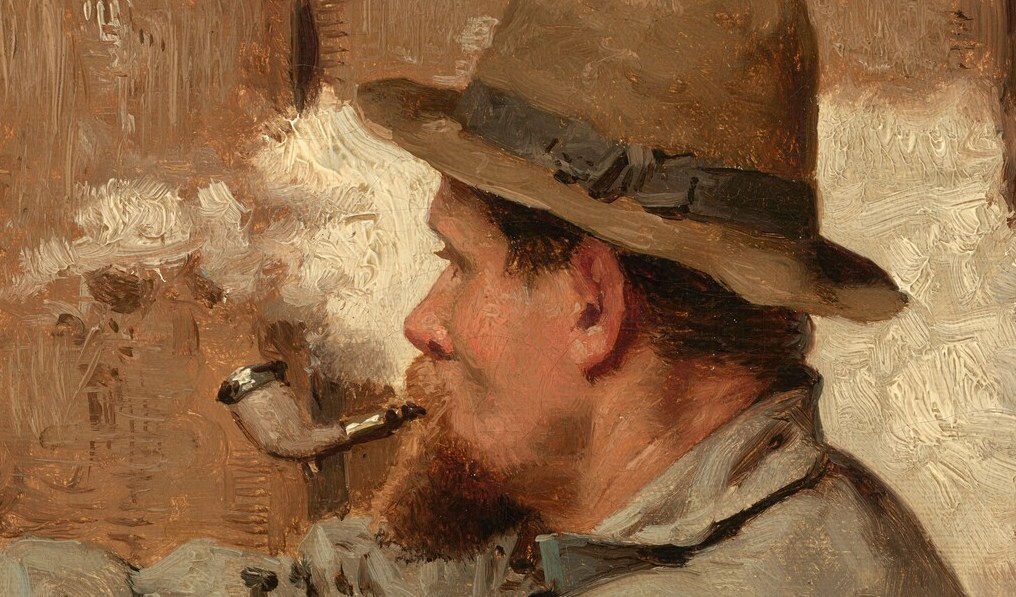
A Longshoreman, painted by John George Brown in 1872 and housed at The Met, offers a powerful glimpse into 19th-century dockside life. This painting focuses on the dignity of manual labor, presenting a solitary worker as a visual record of a specific time and occupation.
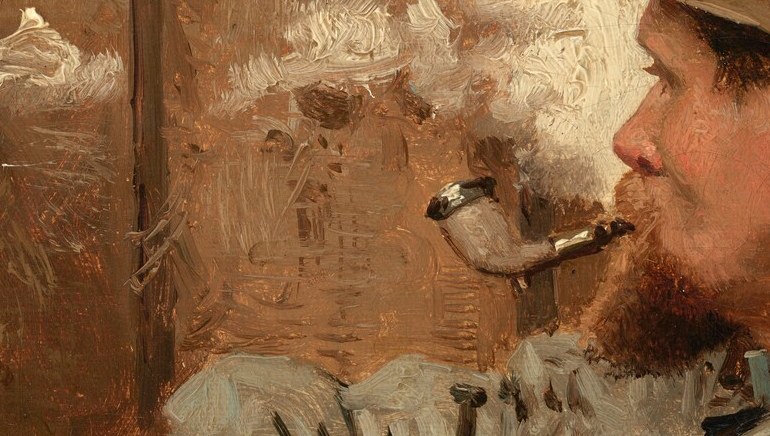
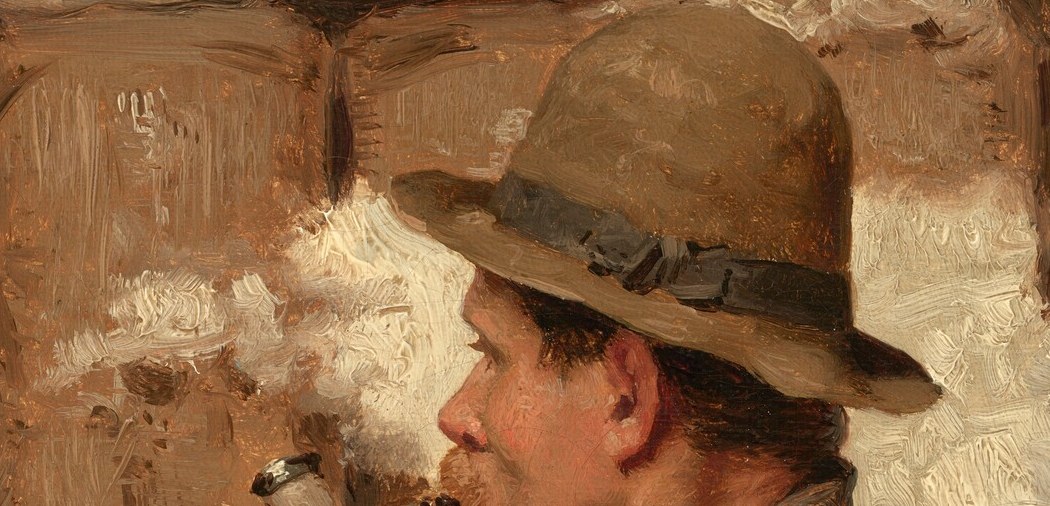
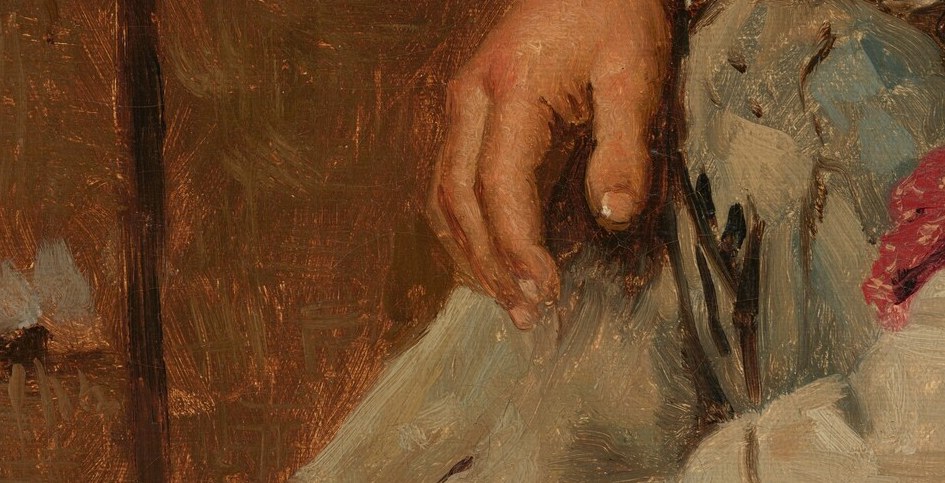
Look at the directness of the composition. Brown emphasizes the man's presence, his weathered face, and the worn textures of his hat and shirt. The detail of the red cloth adds a touch of personal life to the worker.
Created in 1872, this oil on canvas reflects Brown's early career dedicated to genre scenes of urban labor. The painting remained in private collections, becoming a quiet testament to the anonymous figures who sustained maritime commerce.
This work invites us to see the human side of industrial activity.
Details
Transcript
This man works the docks, loading ships. His weathered face shows a life of labor. He pauses, smoking his pipe. His hat and shirt are worn from work. His hands rest, his job is done for now. A red cloth hints at his personal things. Brown painted this scene in 1872.