The Finding of Moses by Jacopo Tintoretto
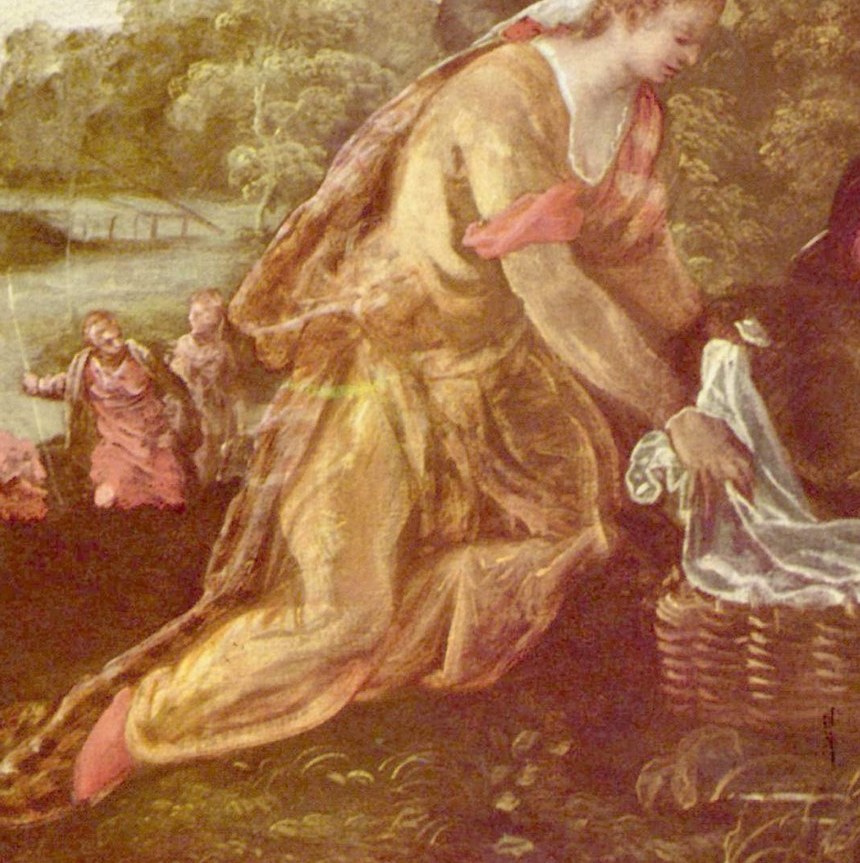
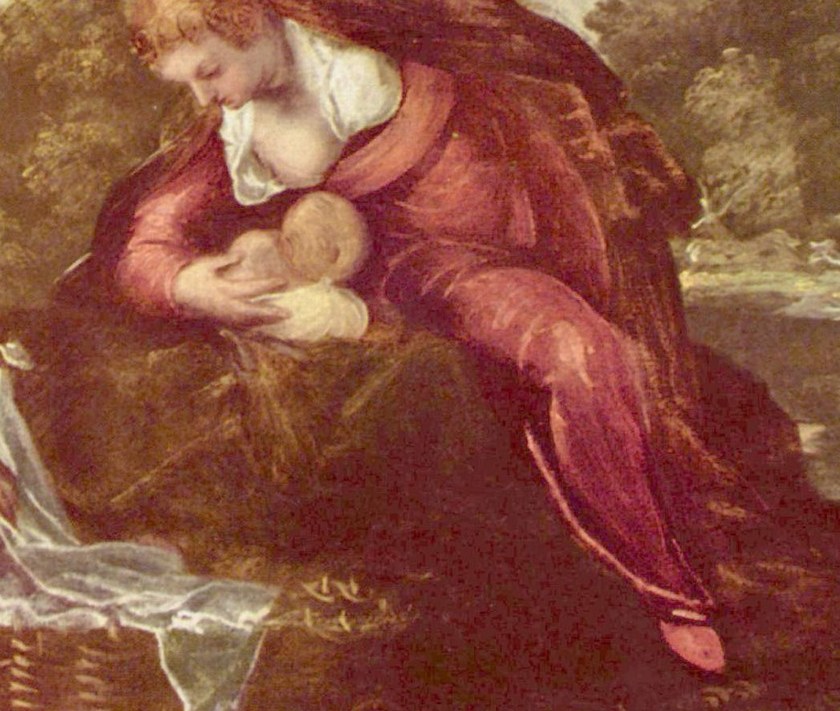
Jacopo Tintoretto's "The Finding of Moses," painted around 1550, is a dramatic oil on canvas found in The Metropolitan Museum of Art. This Mannerist work captures the pivotal moment of Moses's discovery by the river.
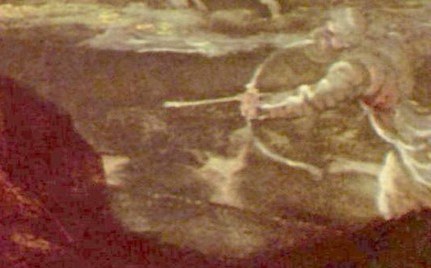
While the foreground focuses on the women and the swaddled infant, a closer look at the background reveals interesting details. Notice the small figures by the river and, even more subtly, a figure with a bow and arrow standing in the distance.
Tintoretto, known as "il Furioso" for his rapid technique and bold compositions, often infused his works with dynamic energy. This tiny detail might be a narrative clue, or simply a way to add depth to the lush, wooded landscape where the biblical story unfolds.
What other hidden details do you think Tintoretto included in his paintings?
Details
Transcript
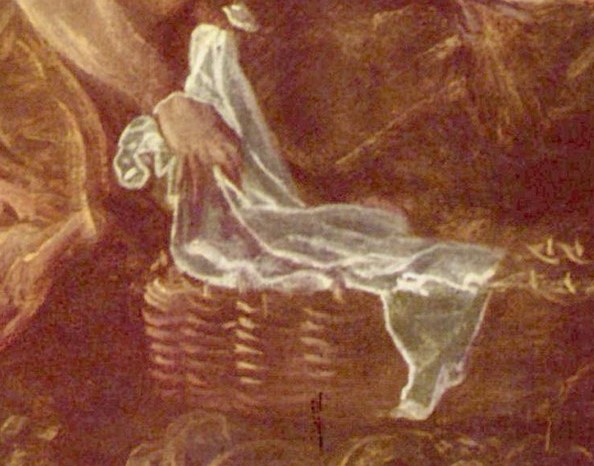
This painting tells a famous Bible story. A woman discovers the baby Moses. His empty basket lies beside her. The painter was known for his dramatic energy. Look closely at the distant bank of the river. A figure with a bow and arrow stands there. Perhaps the painter left a tiny clue about the hunt.