The Holy Family with Mary Magdalen by El Greco
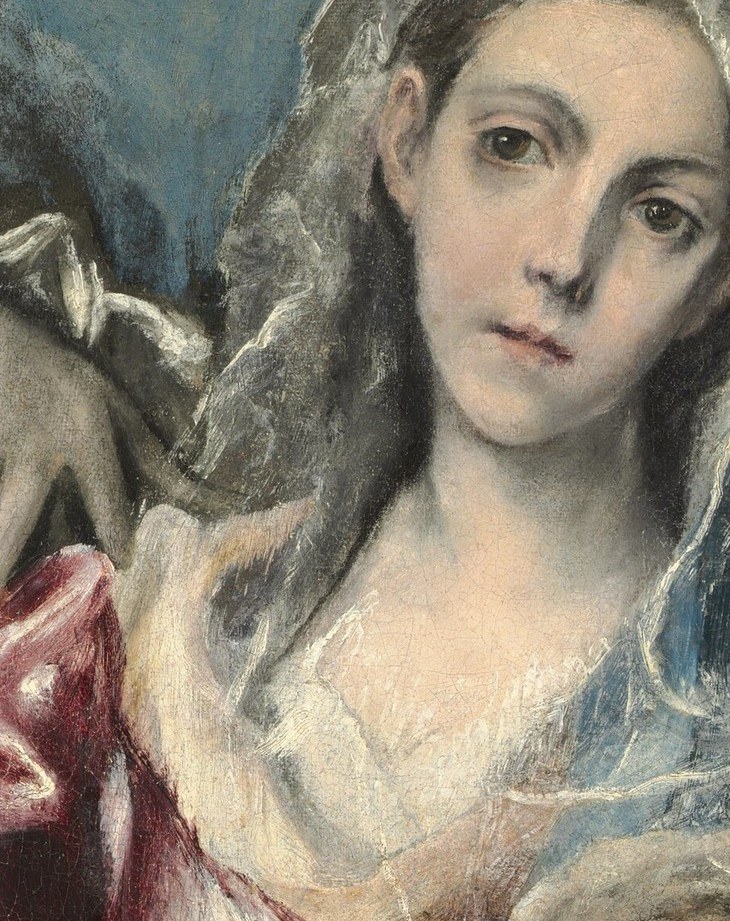
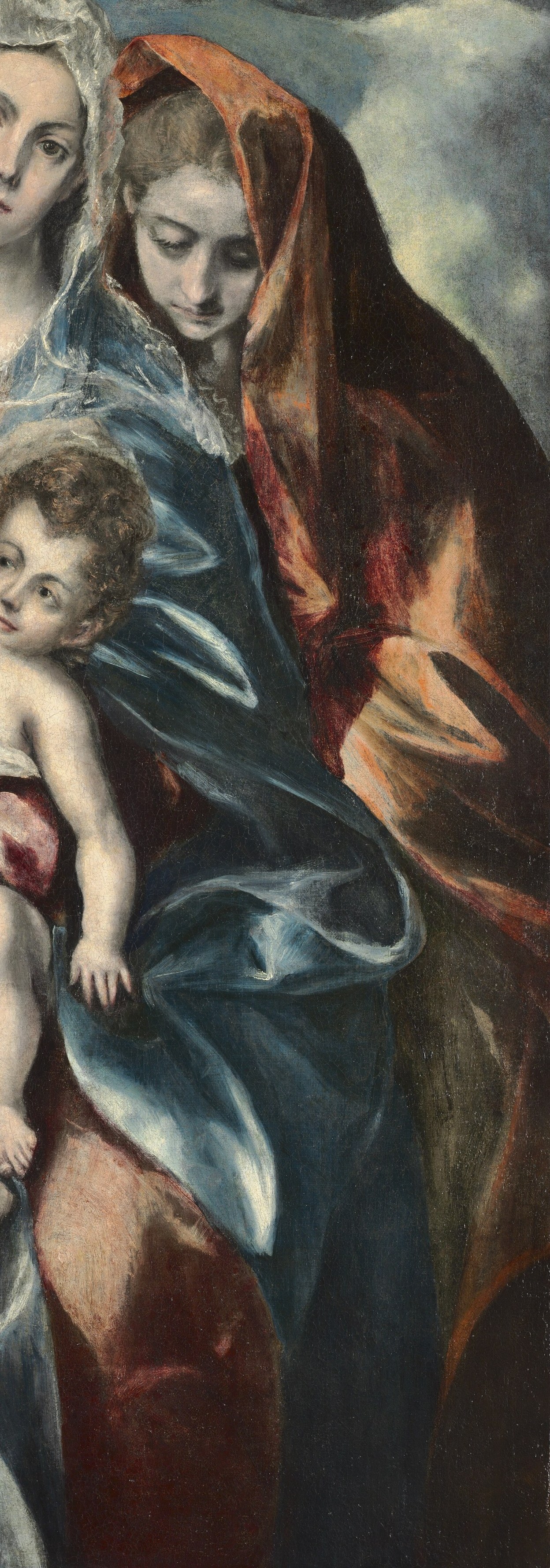
El Greco's "The Holy Family with Mary Magdalen" (1596) at The Cleveland Museum of Art, is a masterclass in religious symbolism. Far from being a simple family portrait, it's packed with hidden meanings.
Take a closer look at the pomegranate Mary offers to the Christ Child. In religious art, this fruit is a powerful symbol of Christ's resurrection and the promise of eternal life. Contrast that with Saint Joseph's bowl of more earthly fruits, hinting at human abundance and perhaps original sin.
El Greco, a key figure in the Mannerist movement, used his distinctive style to imbue this scene with deep spiritual meaning. His dramatic composition and expressive forms create a contemplative experience for the viewer.
What other symbols do you notice in the painting?
Details
Transcript
This painting by El Greco seems to offer comfort. But look at the fruit Mary offers to her child. The pomegranate here symbolizes Christ's future sacrifice and resurrection. Beside them, Saint Joseph holds a bowl of earthly fruit. This fruit hints at human abundance, and original sin. Such symbols were common in religious art of this time. The entire scene is imbued with symbolic undertones.