Hans Roth [obverse] by Strigel, Bernhard
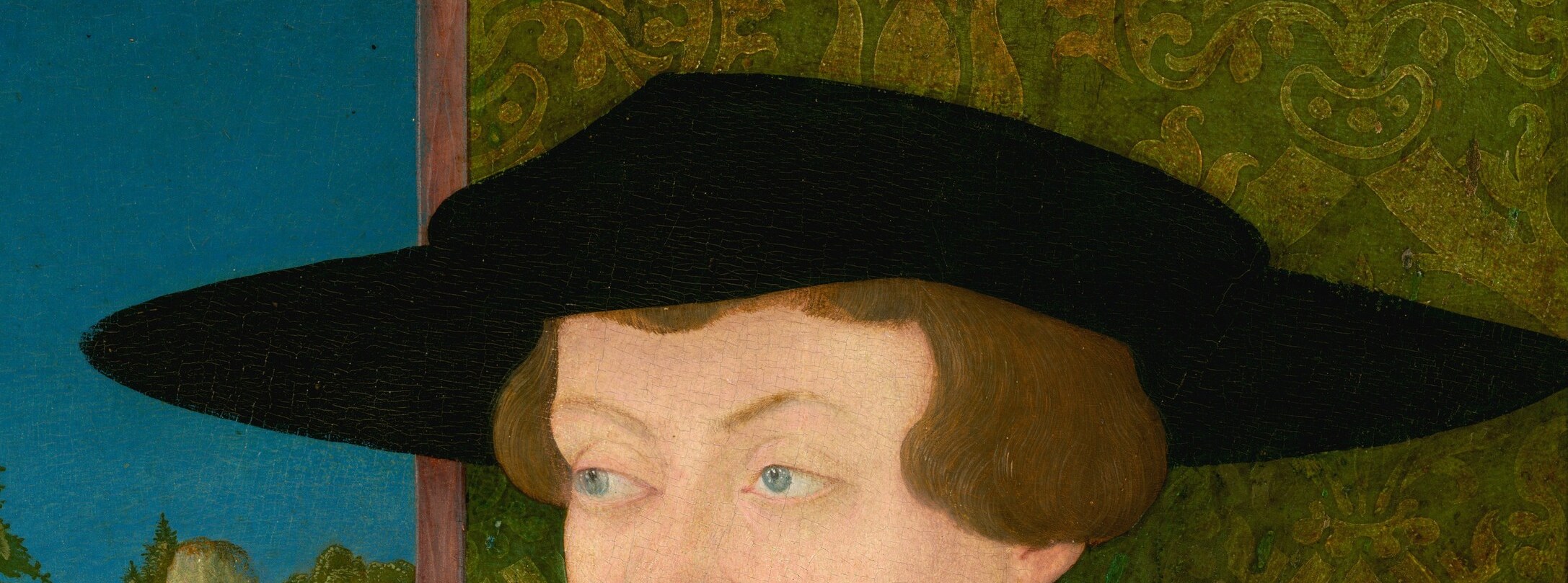
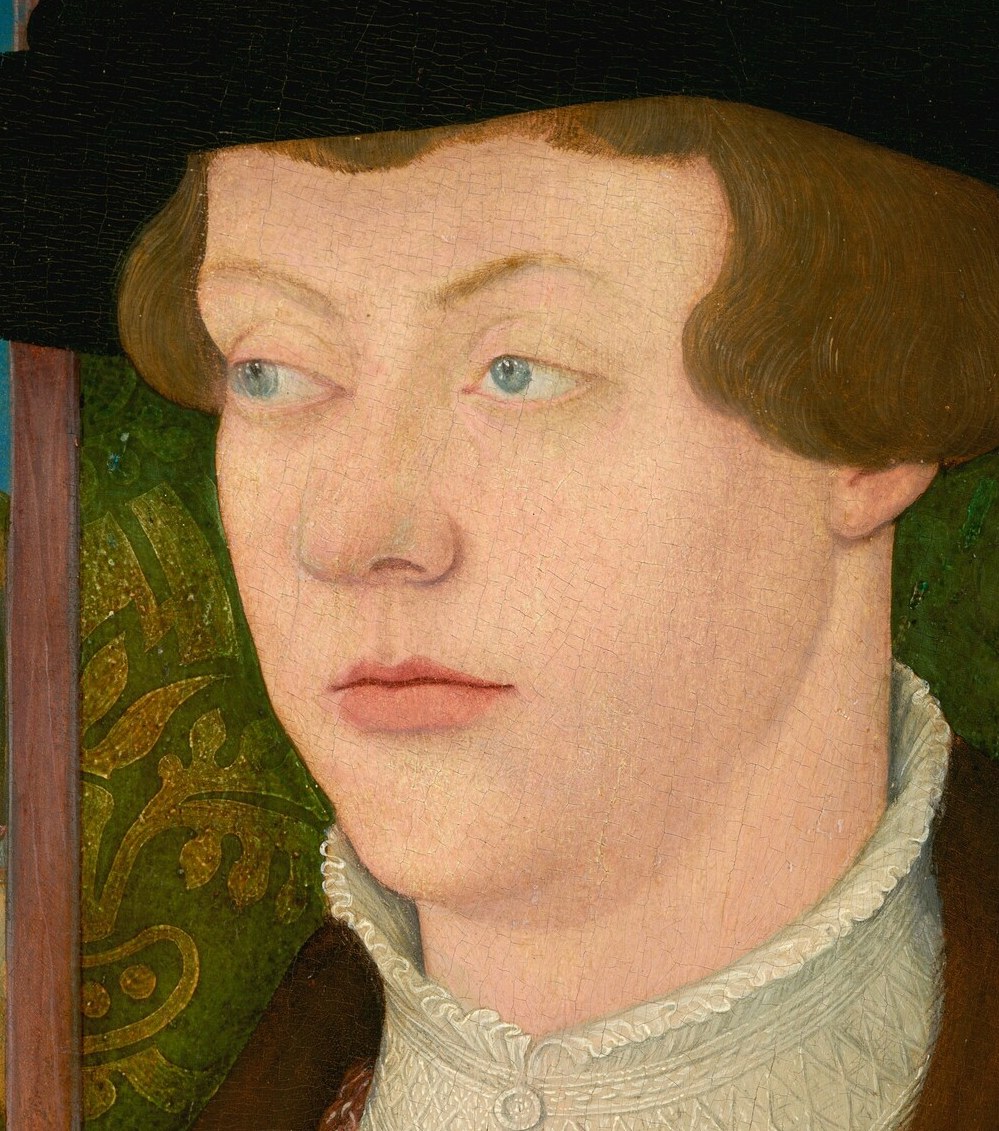
Bernhard Strigel’s 1527 portrait of *Hans Roth*, housed in an unknown location, exemplifies the detailed realism of the Northern Renaissance. The sitter, likely Hans Roth, is depicted with an orange in his hand, a symbol often associated with wealth and status during the period.
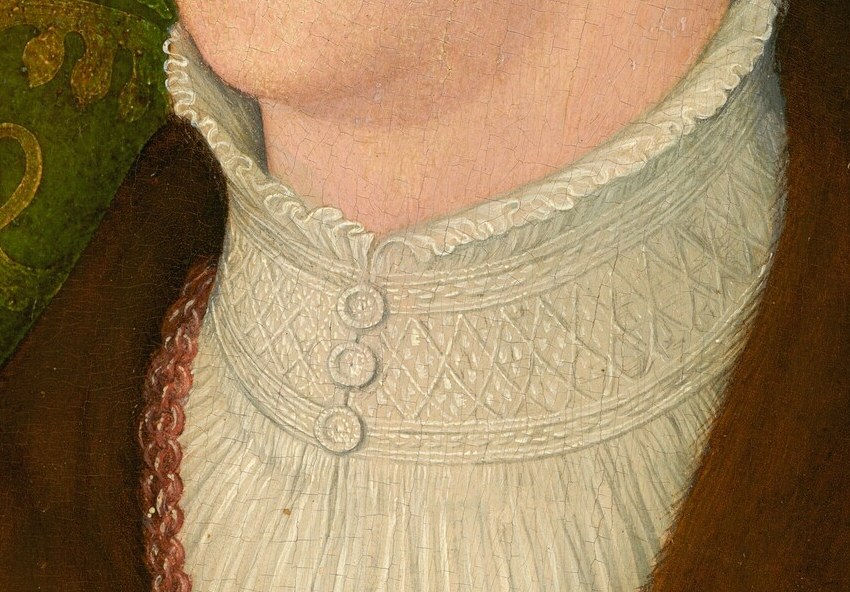
Observe the exquisite detail in the white ruffled collar and the fine ring on his finger, showcasing Strigel's mastery in rendering textures and symbols of the era. His averted gaze, however, invites contemplation, drawing the viewer into a subtle narrative.
Strigel, a German painter of the Swabian school, was highly regarded, even earning the patronage of Emperor Maximilian I. This work is a testament to the artistic trends of the time, blending regional traditions with broader European artistic developments.
What do you think Hans Roth might have been looking at, beyond the frame?
Details
Transcript
This portrait was painted in Germany, 1527. The painter, Bernhard Strigel, was favored by Emperor Maximilian I. His meticulous detail captures every ruffle of the collar. And the delicate orange, a symbol of wealth, in his hand. But his gaze drifts beyond the frame, into a distant landscape. As if he’s contemplating a world outside this rich, still portrait.