Mary and Child by Albrecht Dürer (German, 1471–1528)
Albrecht Dürer's 'Mary and Child' (circa 1512) at the Kunsthistorisches Museum is a quiet masterpiece. Dürer, a giant of the German Renaissance, created this work during a period of imperial patronage, and it reflects a deeply personal devotion far removed from public scandal.
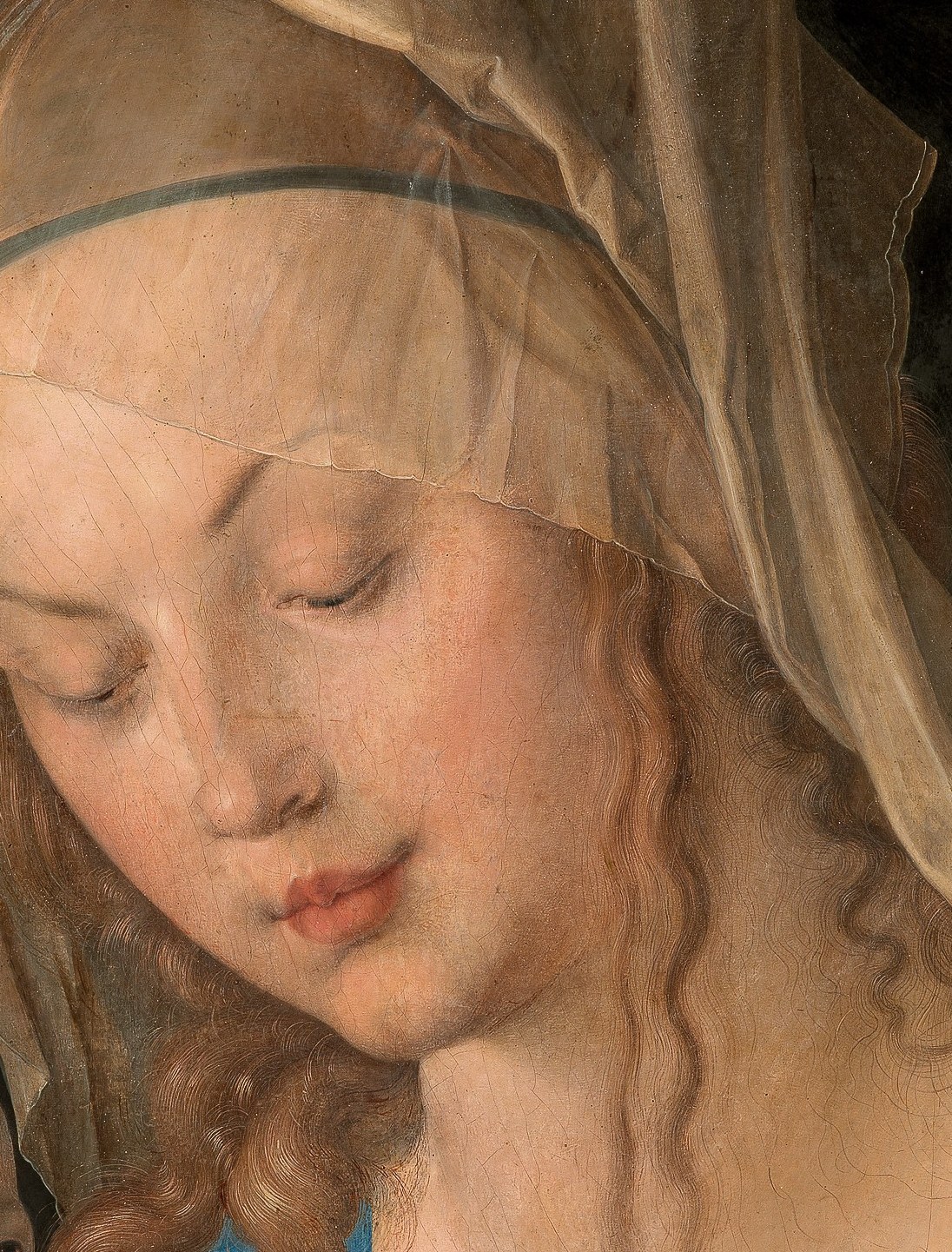
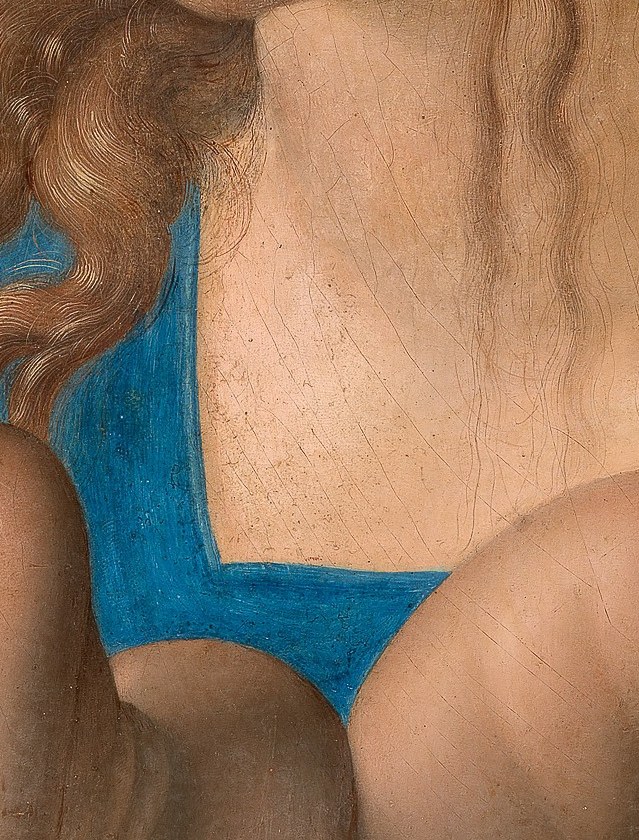
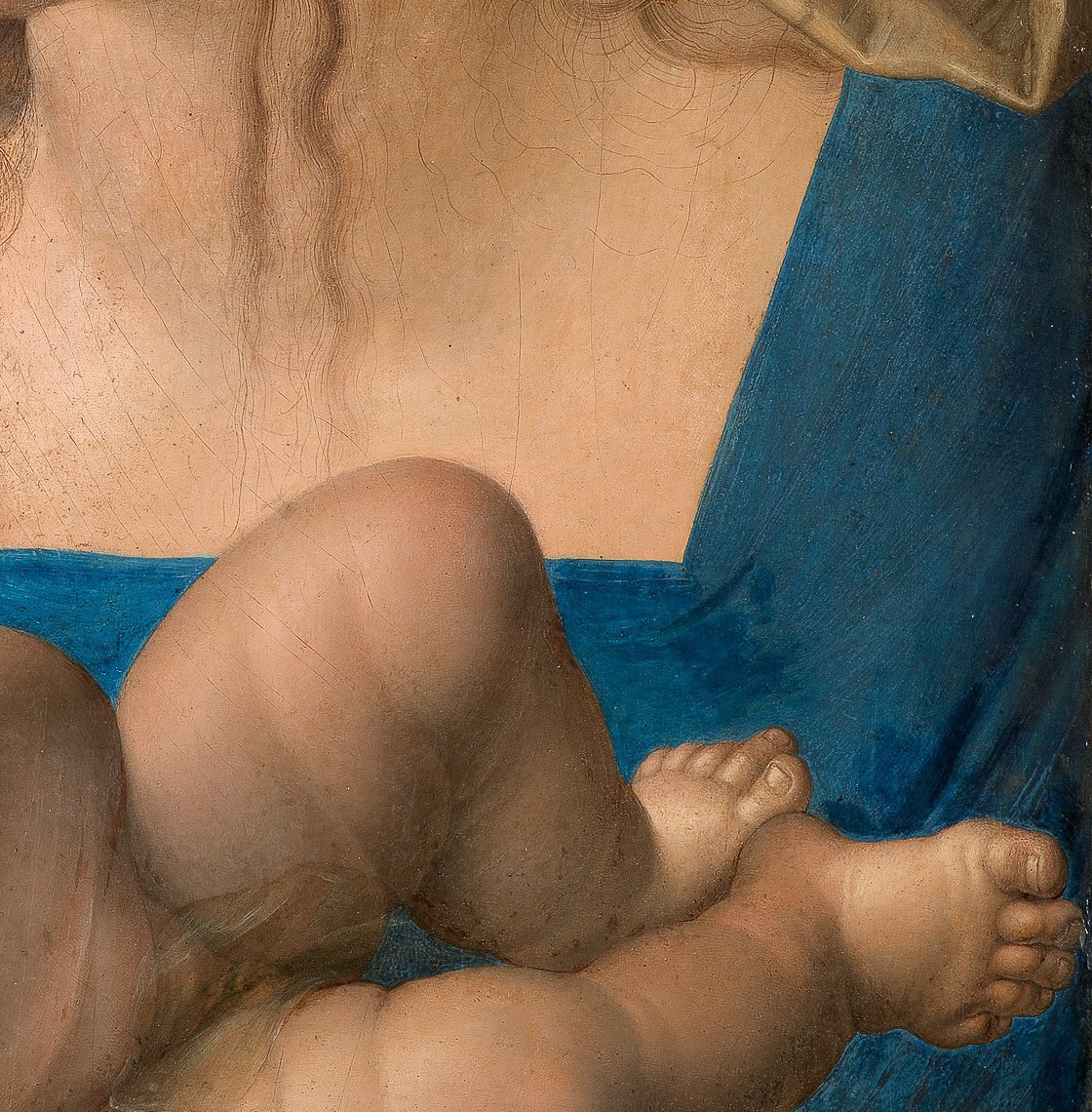
Look at Mary's serene face, her eyes closed in peaceful contemplation. The Christ Child gazes directly at the viewer, his small hand clutching a delicate flower, a symbol of purity. Notice the smooth folds of Mary's rich blue robe and the stark, dark background that isolates the figures.
Dürer completed this oil painting in 1512, a time when he was highly sought after by Emperor Maximilian I. The technical skill evident in the naturalistic rendering and the use of chiaroscuro create an intimate emotional bond between mother and child.
This work stands as a testament to Dürer's profound engagement with religious themes and his unparalleled ability to capture tender humanity.
Details
Transcript
This painter spent months creating this. He painted Mary with deep peace. Look at the Christ Child's direct gaze. His tender hand holds a tiny flower. Mary's robe anchors the divine figures. The deep darkness hides all earthly trouble. Dürer signed his private devotion.