Portrait of a Man by European 18th Century
This is Portrait of a Man, an oil on canvas painted around 1770 by an unknown European artist. It showcases the meticulous rendering of form and texture common in 18th-century portraiture, offering a glimpse into the sitter's world.
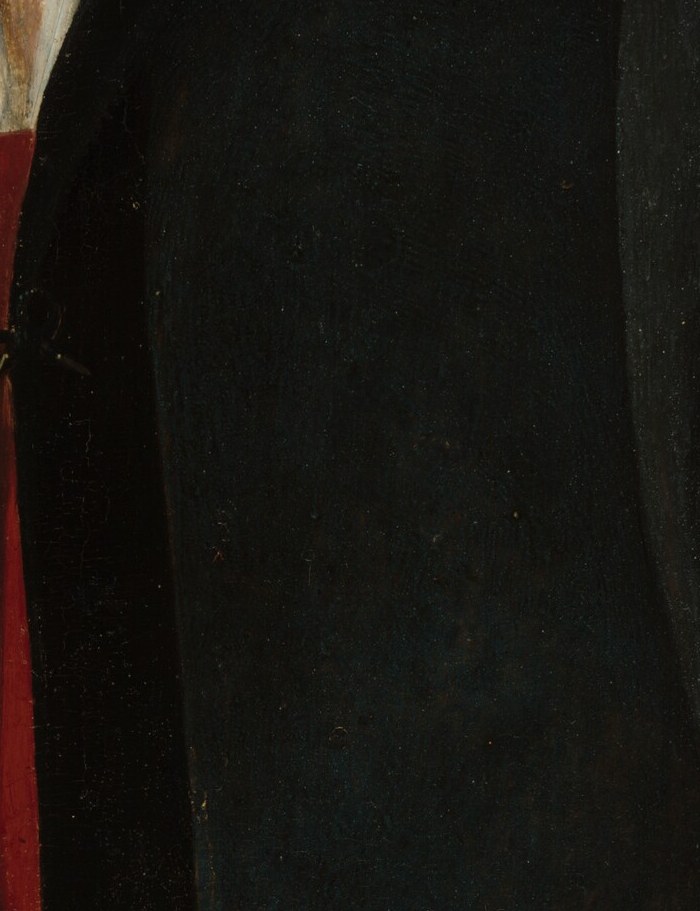
Observe the sitter's white powdered wig, a precise social timestamp of the era. Notice also the folded paper tucked into his coat, a detail that could signal literacy or civic identity. The chiaroscuro shadow under his chin models his form, demonstrating the painter's skill.
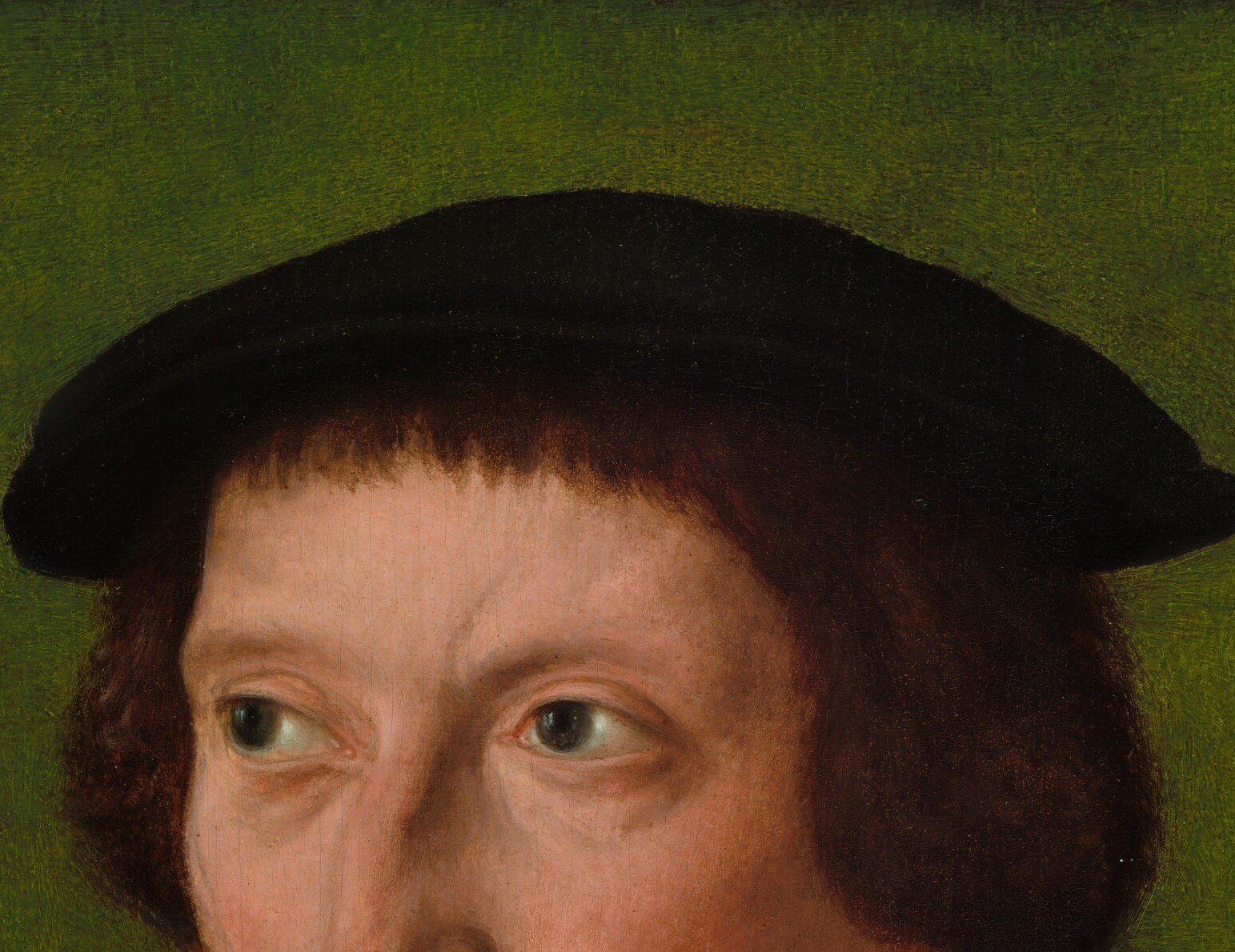
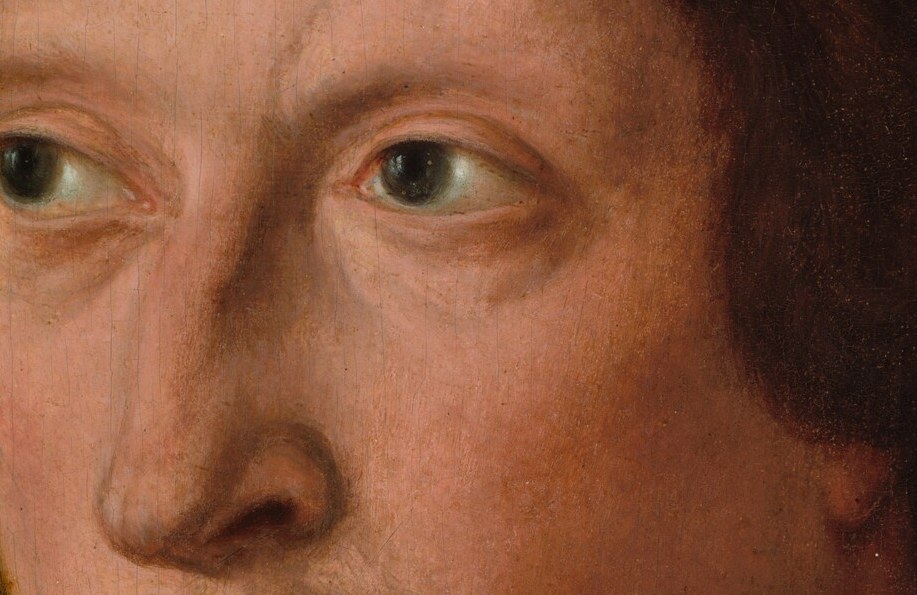
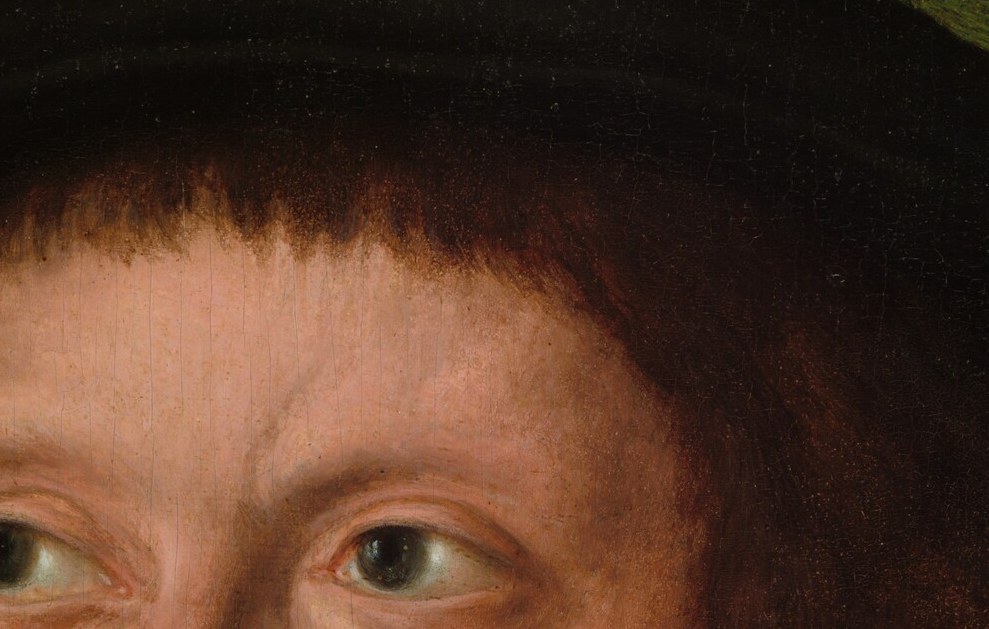
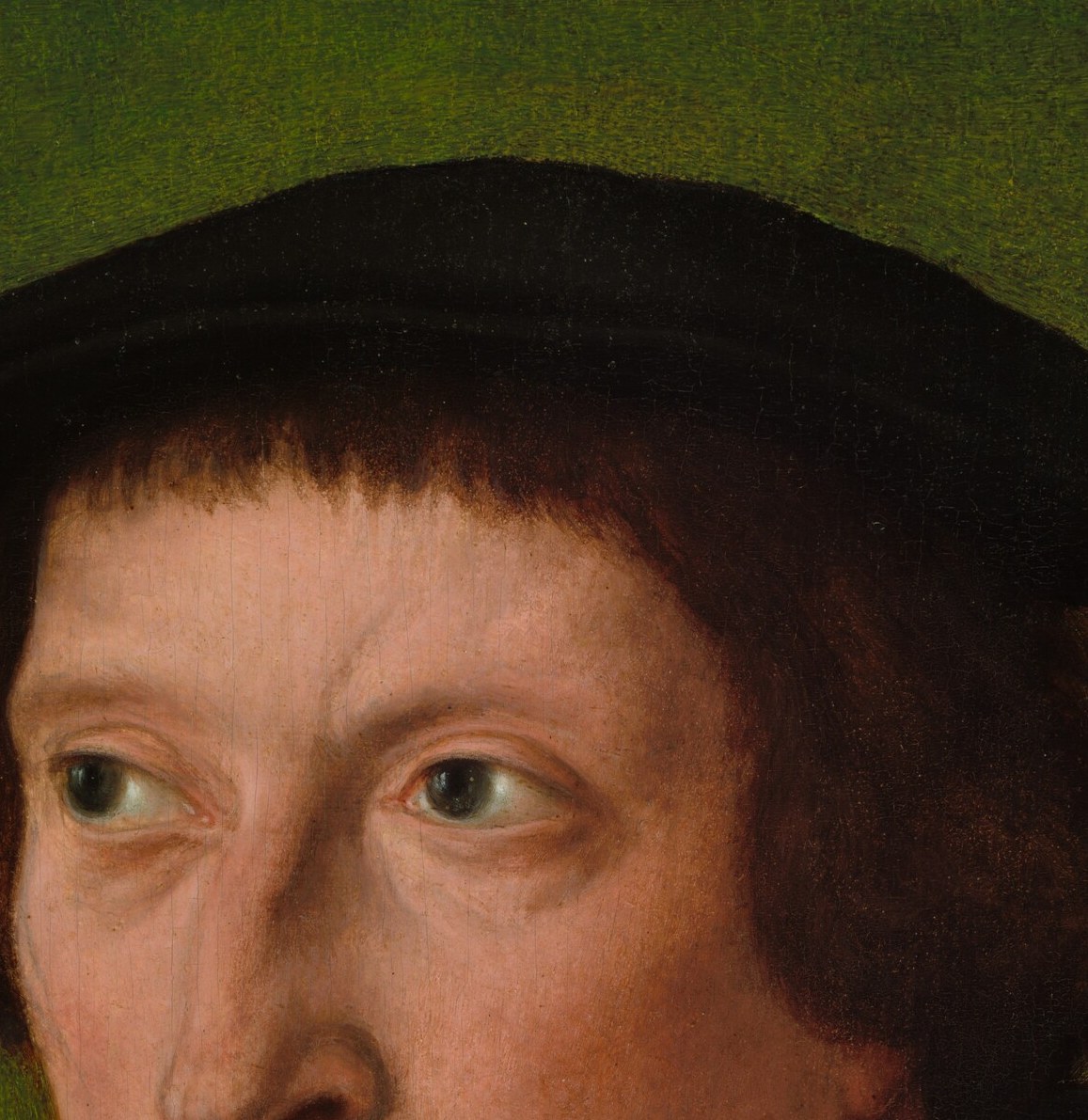
The sitter's gaze avoids direct confrontation, creating an introspective mood. This careful observation extends to the details of his attire, such as the luminous white cravat and the dark navy-blue wool coat, which together document contemporary social presentation and fashion.
This portrait serves as a valuable historical document, capturing not just an individual but also the conventions and status symbols of its time.
Details
Transcript
This man looks like anyone prosperous. But his wig is a social timestamp. Look at the shadows under his chin. This chiaroscuro models his form. A tucked white paper signals his status. He was painted around 1770. His eyes avoid direct confrontation. The artist captured his quiet awareness.