Garden Scene by Jean François Millet
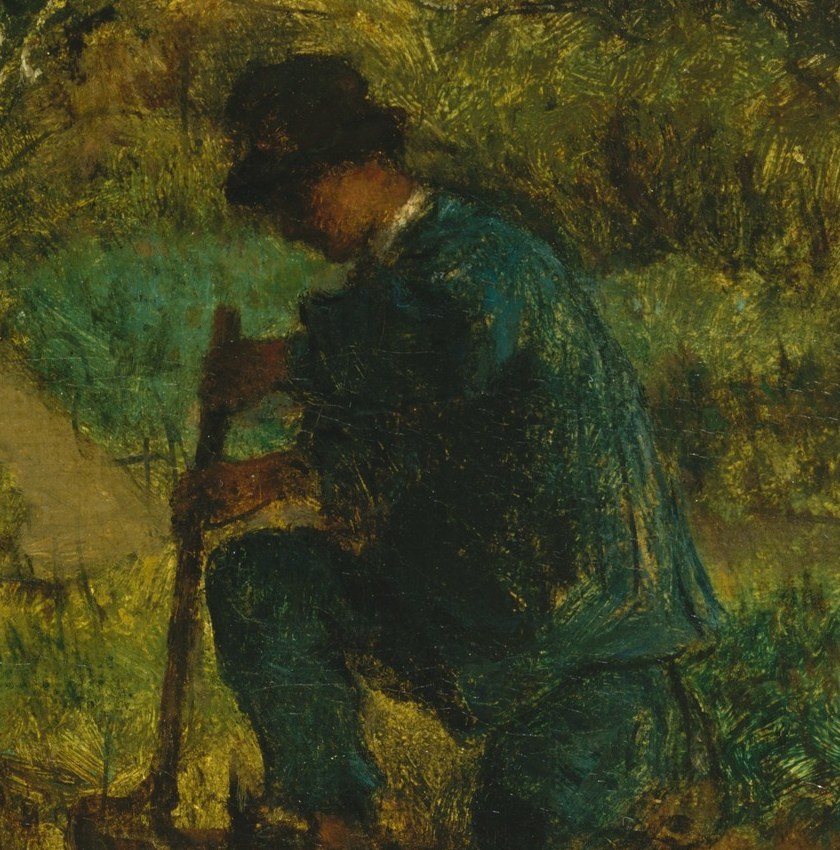
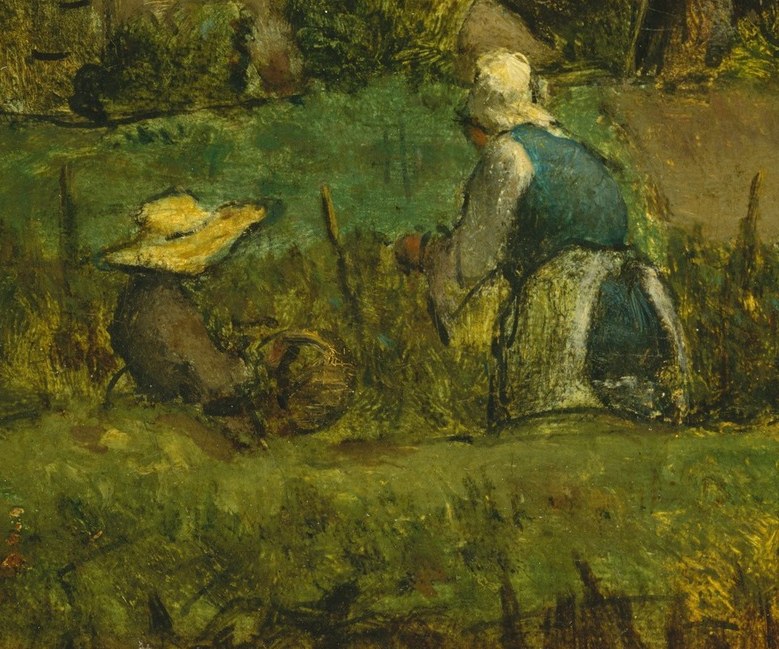
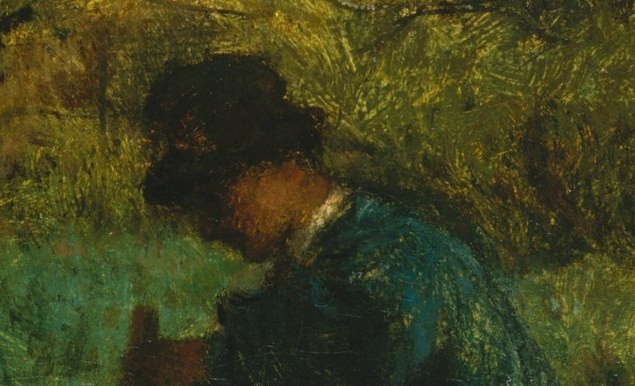
Jean-François Millet painted Garden Scene in 1854, and when he showed it in Paris the critics were genuinely unsettled. Not because it was bad, because it refused to do what paintings were supposed to do. No story, no hero, no moral. Just a man and a child working soil that feels heavier than anything else on the canvas.
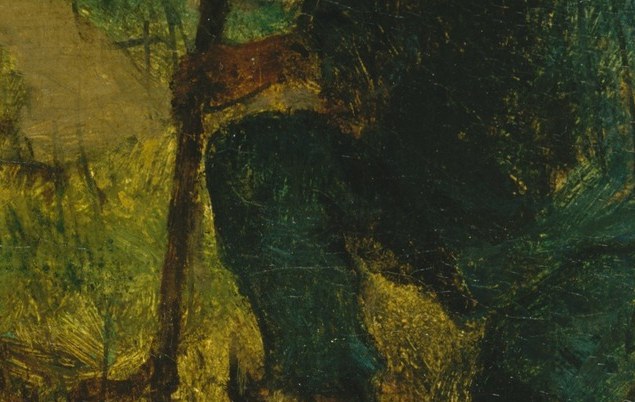
Look at where Millet places your eye. The faces are hidden. The drama is all in the bent back of the large figure and the small, hunched shape of the child. The hat on the gardener is the brightest shape in the right half of the picture, it anchors you before your eye drops to the real subject: hands engaged with earth. Millet believed that was the moral center of the universe.
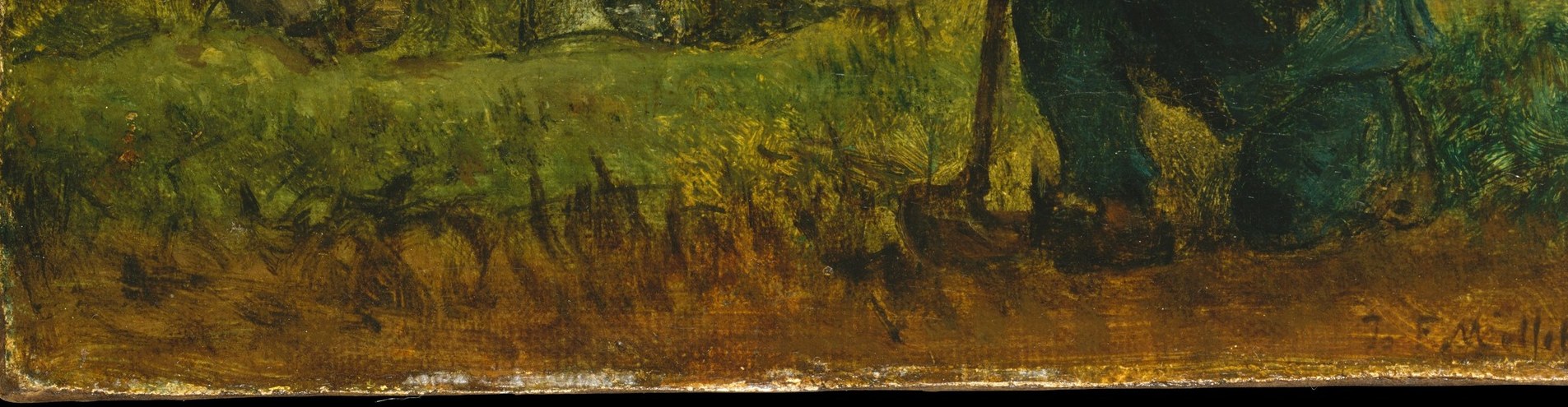
Millet grew up in a farming family in Normandy and never stopped painting rural labor, even after he became a central figure in the Barbizon school. In 1854, Realism was a confrontational idea, to paint ordinary people doing ordinary work at a large scale was a political act. Garden Scene is small, but it carries the same insistence: these lives matter, this ground matters, and looking at it squarely is enough.
What do you notice first when you look at it, the figures, or the weight of the soil?
Details
Transcript
1854. Paris was still judging paintings by their subject. Heroic battles, biblical stories, rich men's portraits. Millet submitted this. Critics called it ugly and dangerous. Look where he puts the real subject. Not faces, not a story. Hands pressing into the dirt. The ground itself is thickly worked, heavy, freshly turned. Millet said: the human side of art is what touches me most. No story. No sermon. Just two people and the earth they belong to.