Low Waterfall in a Wooded Landscape with a Dead Beech Tree by Jacob van Ruisdael
View the artwork: Low Waterfall in a Wooded Landscape with a Dead Beech Tree →
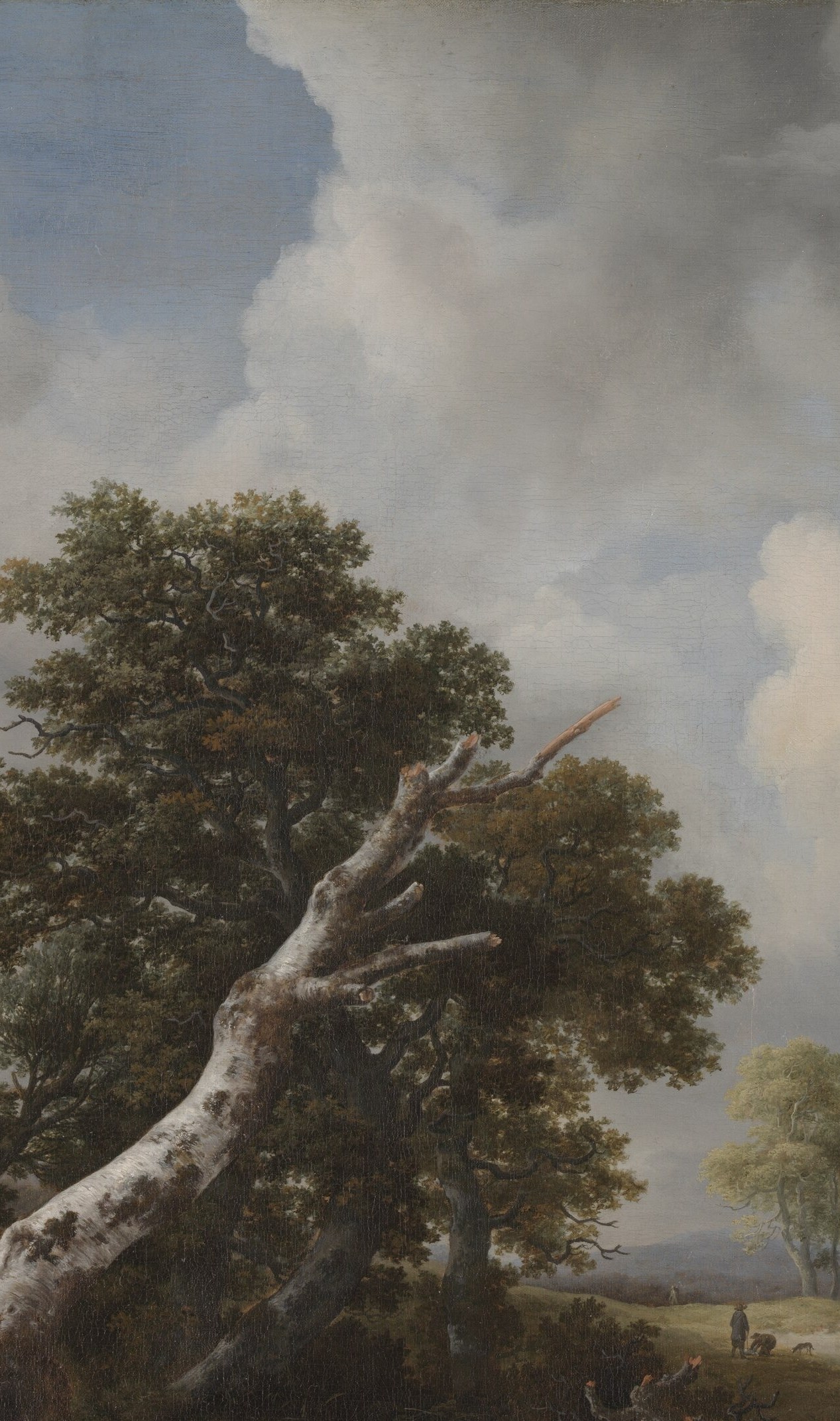
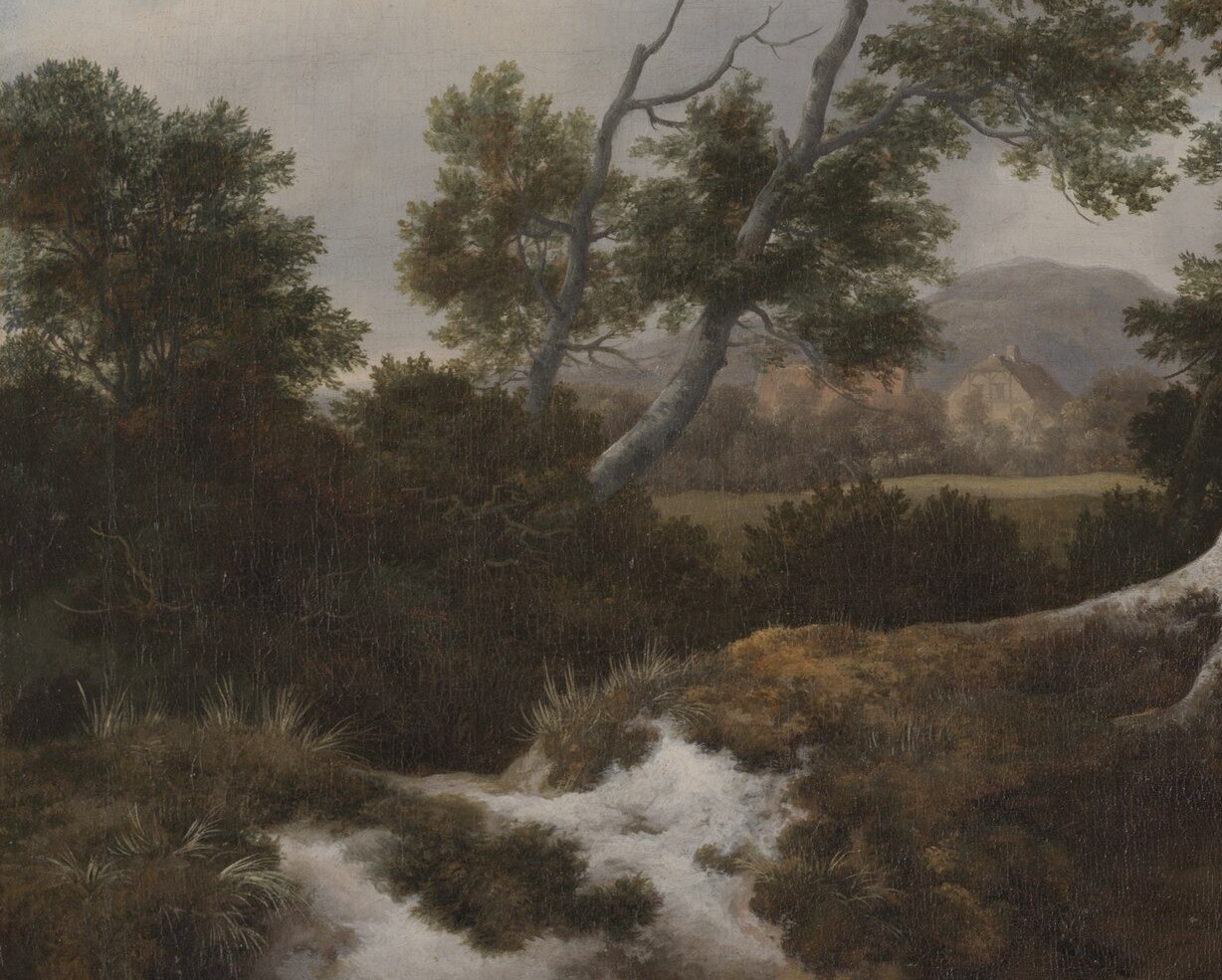
Jacob van Ruisdael's 'Low Waterfall in a Wooded Landscape with a Dead Beech Tree' (1660) carries a hidden scar. The central dead beech, now the painting's focal point, was deliberately erased by a 19th-century owner and replaced with living foliage.
The towering white trunk is Ruisdael's main character. Its bare, upward-reaching branches cut against the dark canopy like exposed bone. One owner, likely a wealthy British collector, found this image of death within nature so objectionable that he paid to have the tree overpainted, turning Ruisdael's memento mori into a pleasant woodland scene.
For over a hundred years, the landscape existed as a falsified image. The truth emerged during a restoration, when cleaning revealed the skeletal branches hidden beneath a century of living paint. The dead tree was carefully uncovered and returned to the canvas.
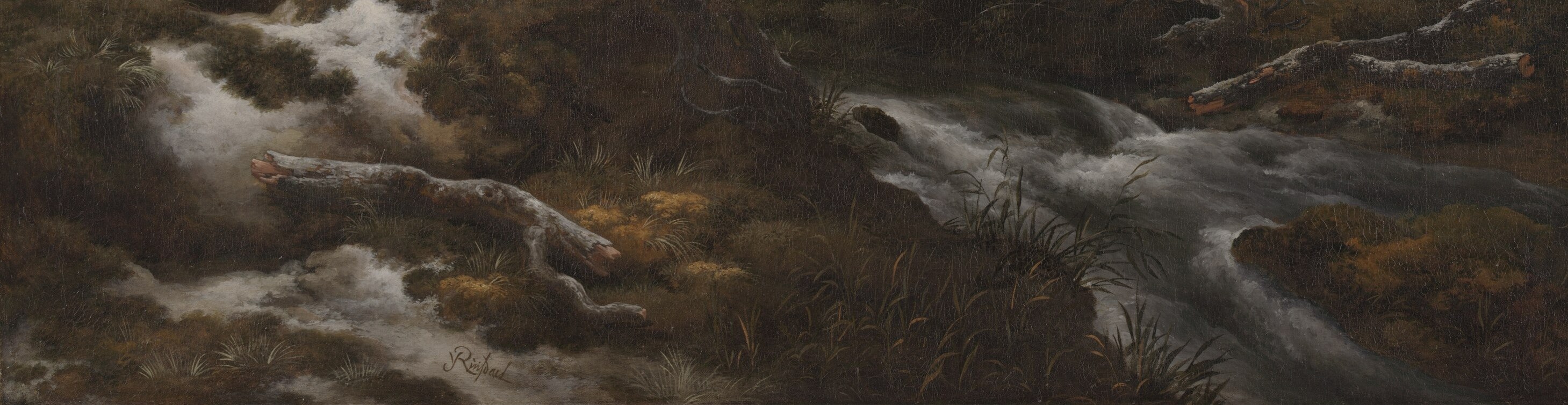
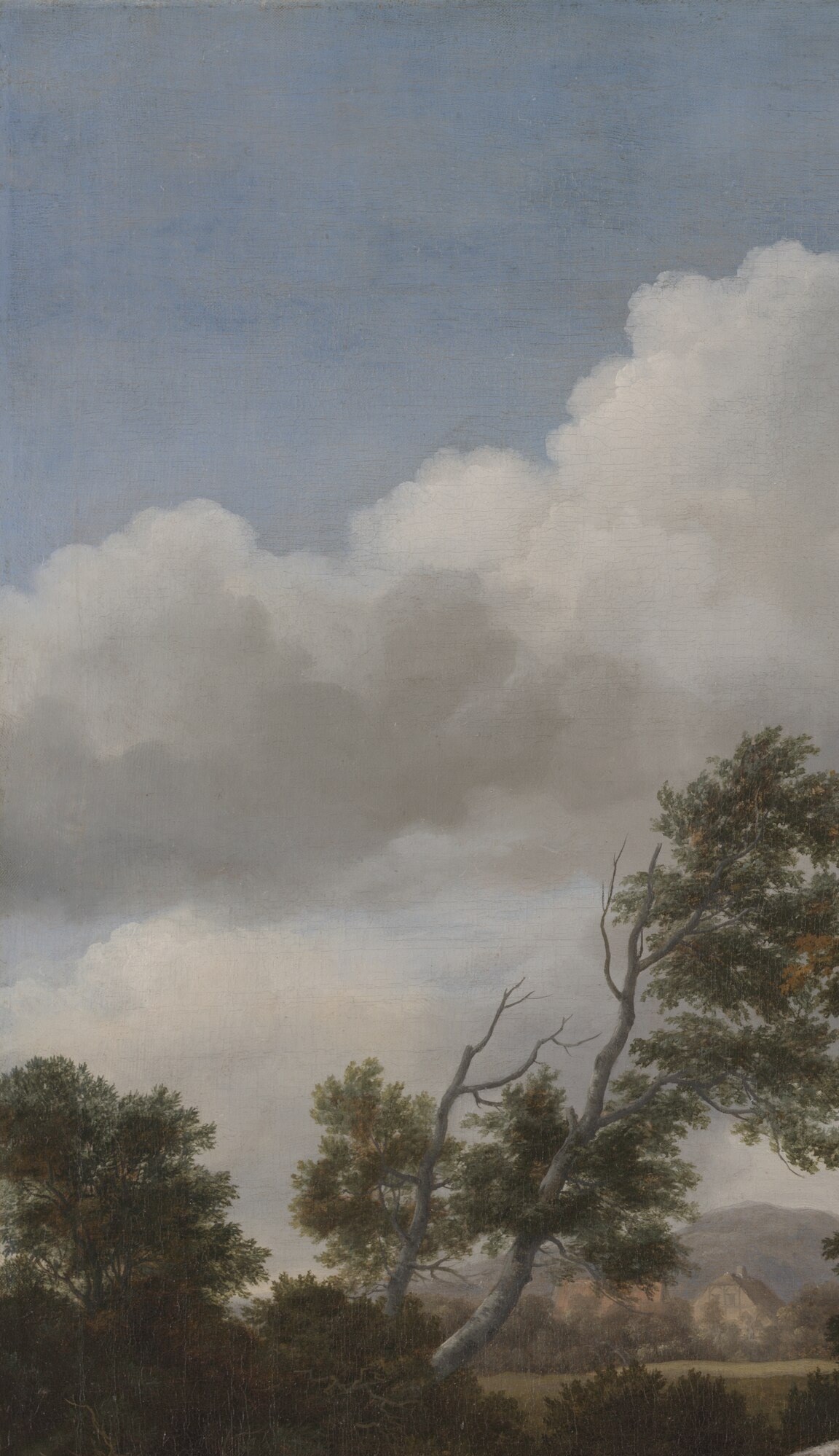
Ruisdael intended this stark contrast: the bright, living canopy directly above the pale, dead trunk. The waterfall rushes ceaselessly, the distant castle crumbles, and the beech stands as a silent vanitas symbol at the scene's heart. What do you see when you look at it now?
#arthistory #dutchgoldenage #ruisdael
Details
Transcript
When this landscape sold in 1837, the new owner did something drastic. Look at the dead beech. Its bone-white trunk holds the whole scene together. The new owner believed death had no place in nature. He had the tree painted out. In its place, a living tree. The skeleton became a canopy. Ruisdael's meaning was erased. For over a century, the painting was a lie. Then came the cleaning. A restorer found the original brances underneath. The dead tree was brought back. What you see is Ruisdael's intended witness: life and death in a single frame.