John Julius Angerstein (1736–1823) by Thomas Lawrence
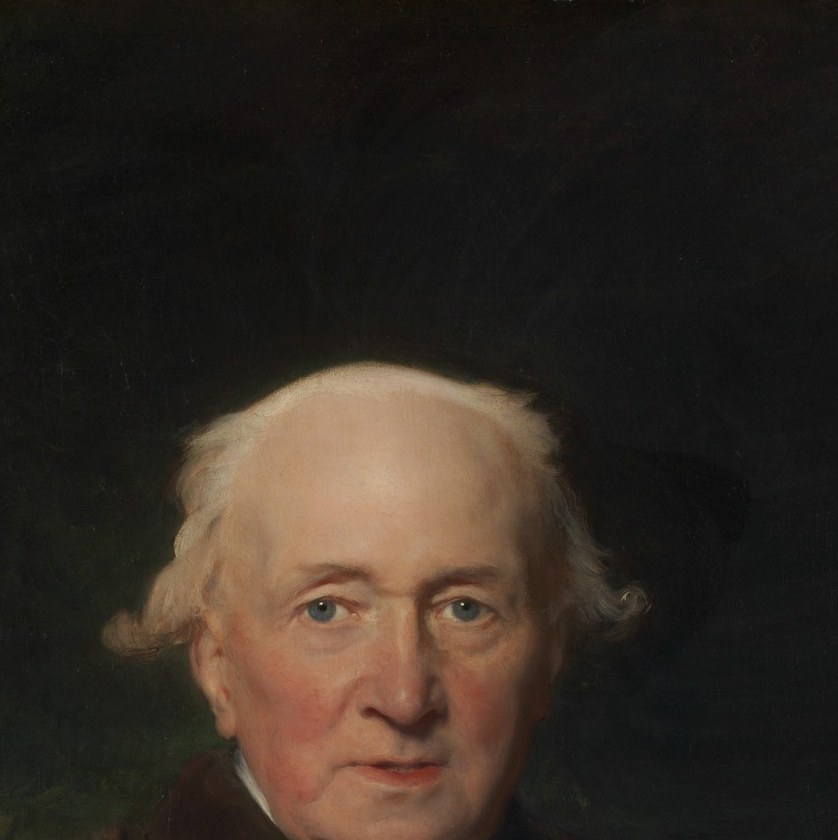
This is Thomas Lawrence's 1809 portrait of John Julius Angerstein, and it hangs today in The Metropolitan Museum of Art. It is a portrait of a 73-year-old businessman, painted at the height of Lawrence's powers, and it carries a secret that has nothing to do with the sitter's expression and everything to do with what he quietly set in motion.
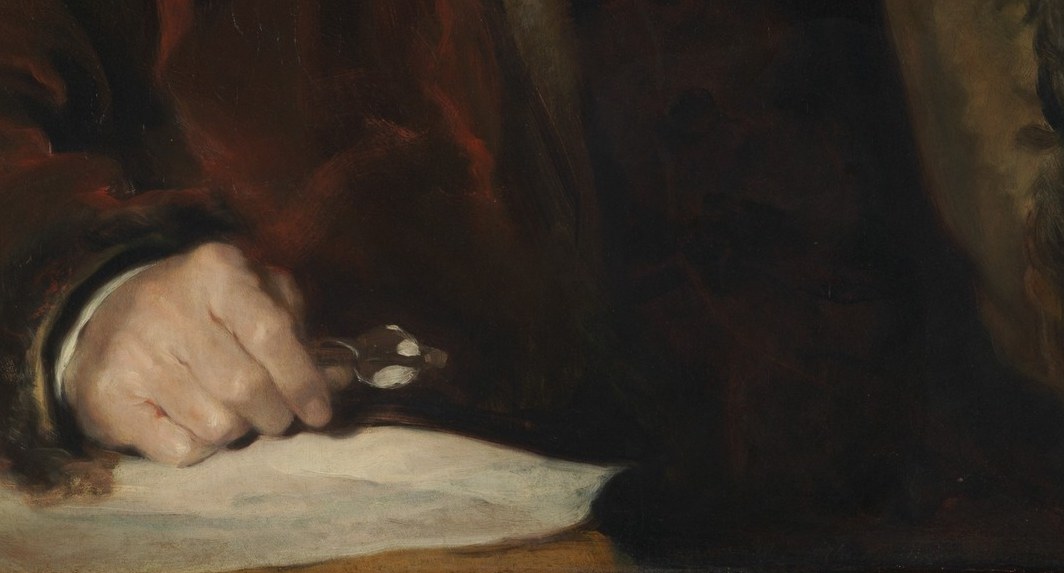
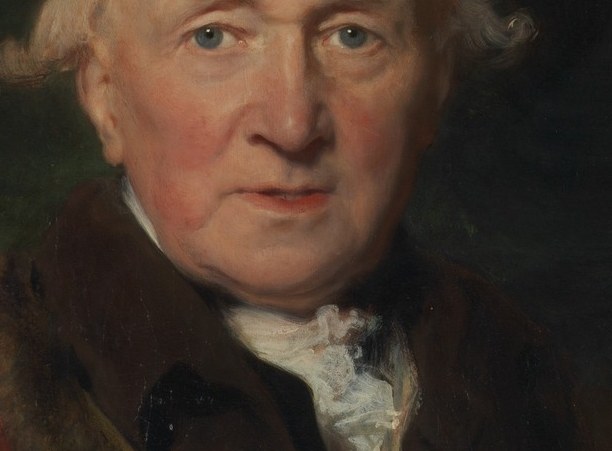
Look at the document beneath his hand. The papers are not a nobleman's letters patent or a royal decree. They are ledgers. Angerstein was a marine insurance broker who made his fortune at Lloyd's, and this is how he chose to be remembered, as a man of business, not a gentleman of leisure. Lawrence gives him a Romantic sky and a fur-lined robe, but the ledger stays front and center, and the eyes above it are tired, direct, and entirely unapologetic.
Angerstein used his wealth to assemble one of the finest private art collections in Regency England, 38 paintings, nearly all of them masterpieces. When he died in 1823, the British government bought the collection to form the nucleus of a new public institution. The National Gallery opened in 1824 with Angerstein's pictures hung in his own former townhouse on Pall Mall. The museum now holds over 2,300 works, but its founding collection began here, with an elderly marine broker and the paintings he loved.
Lawrence painted him as a man looking back on a long life. The light catches his cheek like a single thought still turning. He had no idea that his name would outlive him this way.
Details

Transcript
In 1809, an old man sat for his portrait. The painter was the best in England: Thomas Lawrence. Look at his eyes. Sharp, tired, alive. Lawrence refused to soften them. His hand rests on the document that tells you who he was. He made his fortune insuring ships. Then he spent it on paintings. After his death, the British government bought his collection. Those 38 paintings became the National Gallery in London.