Madonna by Gari Melchers
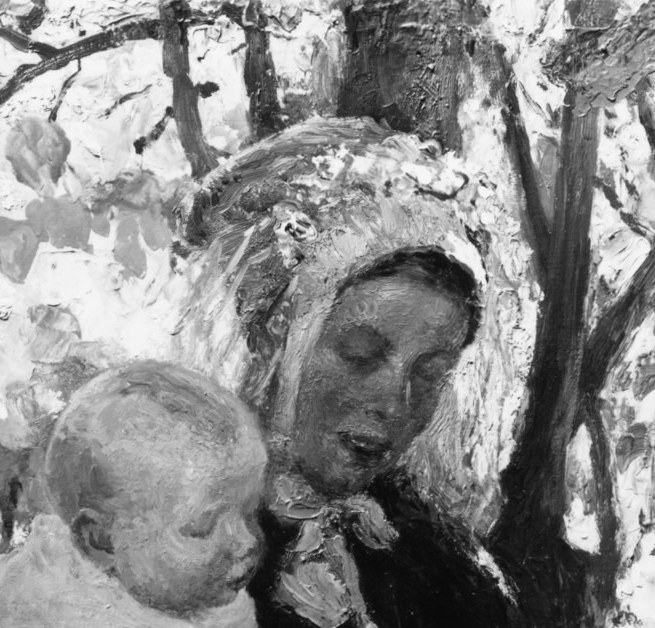
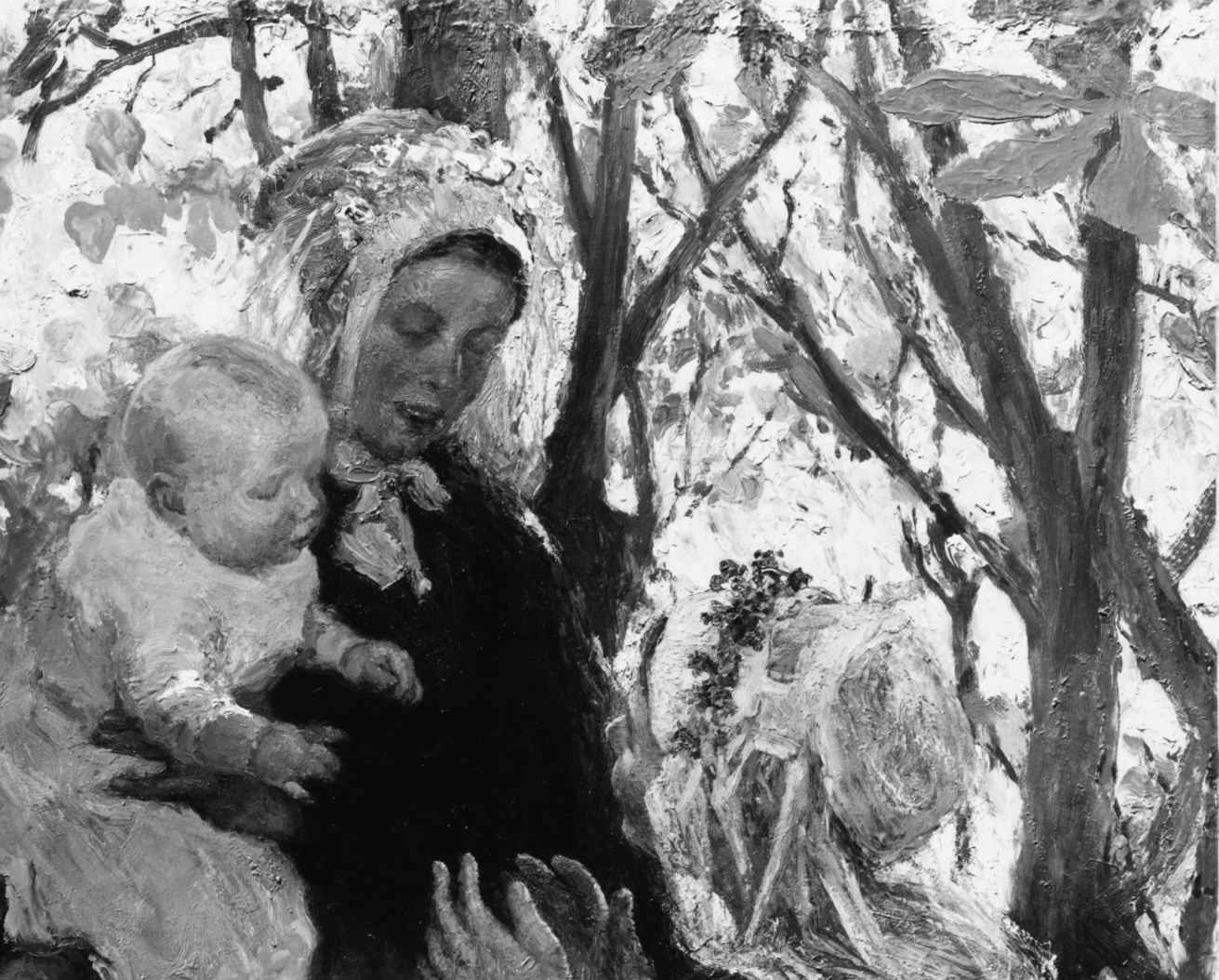
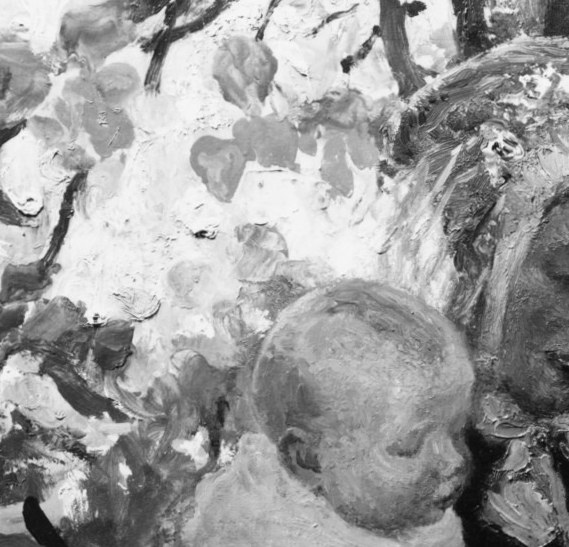
Gari Melchers's 1906 painting, "Madonna," at the Smithsonian American Art Museum, caused a quiet scandal in its time due to a barely perceptible detail.
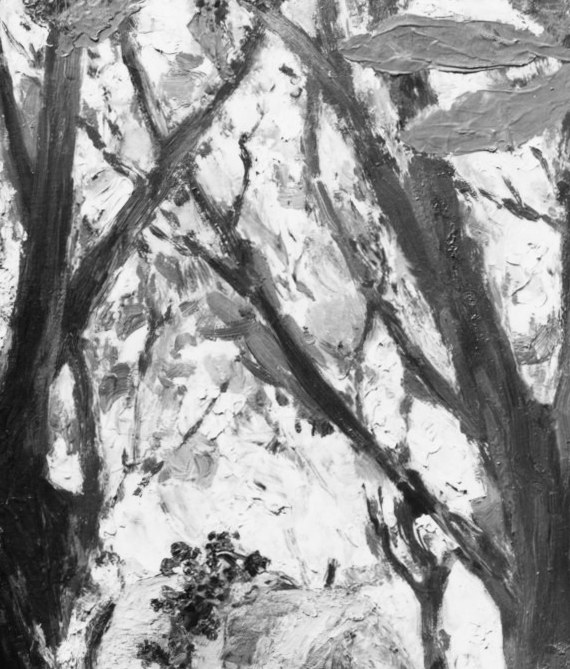
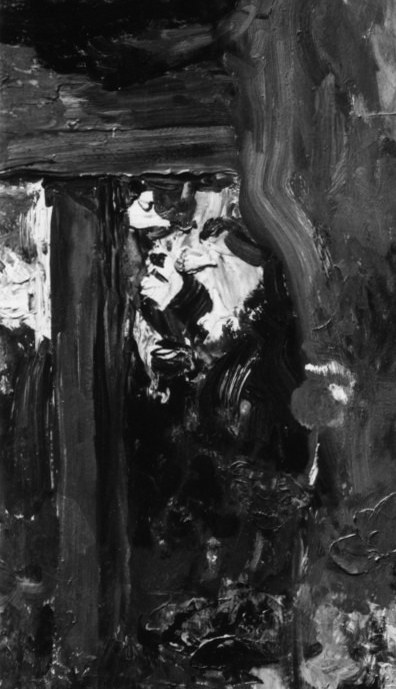
Look closely in the lower-left background, and you'll spot a small, solitary figure. This seemingly minor detail was enough to provoke controversy among contemporary critics. For some, its presence suggested an earthly father, a concept that challenged traditional interpretations of the Madonna and Child.
Melchers, an American artist trained in Europe, was known for his naturalist style. Despite the initial uproar, he became a prominent figure in American art, ultimately receiving a Gold medal from the American Academy of Arts and Letters in 1932. His "Madonna" remains a fascinating example of how subtle elements can ignite significant debate and reveal societal norms of the period.
What do you see in the shadows?
Details
Transcript
This American painter debuted his "Madonna" in 1906. The quiet scene shows a mother and child, and a veiled figure. Critics, however, were not quiet. They focused on one subtle detail: a tiny, barely visible figure. This lone figure in the background made the painting controversial. For the art world, his presence suggested a hidden father. Such a subtle detail caused a scandal in American art. Despite the outrage, the painter became a leading American naturalist.