Napoléon I (1769–1821) on Horseback by Luigi Marta
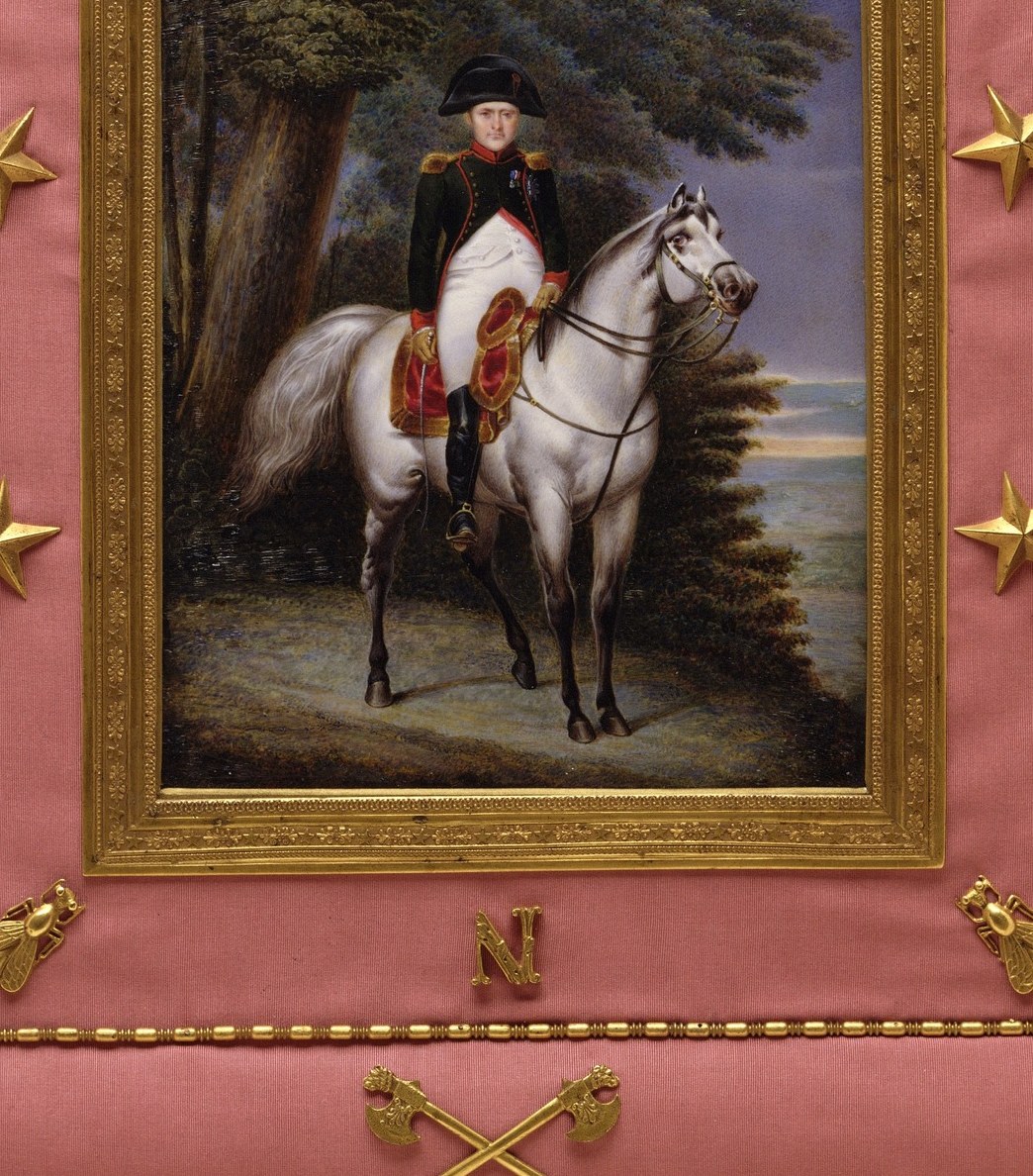
This is Napoléon I on Horseback, painted by Luigi Marta in 1830 and held at The Metropolitan Museum of Art. The most interesting thing about it is not the painting itself, it is the frame. What looks at first like ordinary gilded ornament is actually a complete iconographic programme that declares imperial sovereignty before your eye ever reaches Napoleon.
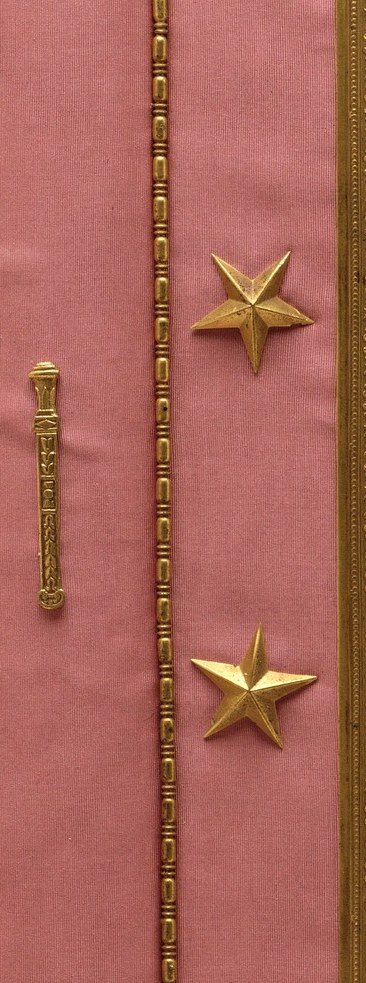
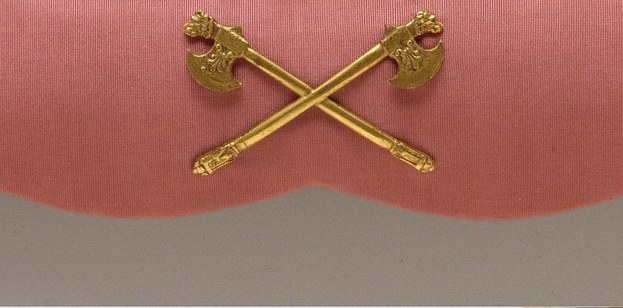
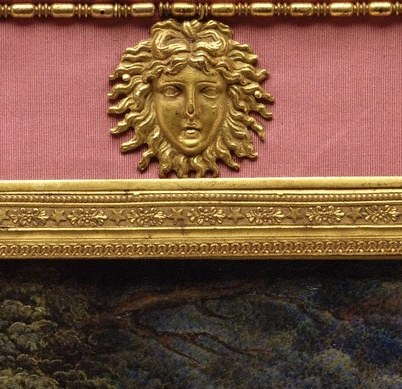
Look at the frame closely. At the very top, a gilded imperial crown sits above the painting, not inside it. Gold star rosettes scatter across the pink border, these echo the star of the Legion of Honour, the order Napoleon founded. At the base, crossed artillery cannons rest beneath his horse, reinforcing his identity as a general who rose through command of the army. The frame is unusually ornate even for imperial portraiture, and the distinctive pink and gold palette suggests it may be a Sèvres porcelain plaque, a luxury object in its own right.
The painting was completed in 1830, nine years after Napoleon died in exile on Saint Helena. This is not a portrait from life but a posthumous work of memory and mythology, made for someone who wanted to own the image of the emperor as legend. Luigi Marta remains an obscure figure, we know almost nothing about him beyond his dates, 1790 to 1858, but this object shows an artist skilled in the visual language of power.
The next time you visit a museum, give the frame a full ten seconds. Sometimes it tells half the story.
Details
Transcript
Most people see a painting of Napoleon on a horse. But the frame is doing just as much work as the paint. Start at the top: an imperial crown crowns the frame itself. The border is scattered with gold stars, Legion of Honour emblems. And at the bottom: crossed artillery cannons, the source of his power. This pink and gold frame is likely a Sèvres porcelain plaque. The whole object, frame and painting, was made as a luxury imperial artefact. Painted in 1830. Napoleon had been dead for nine years.