Drawing the Eel by Salomon van Ruysdael
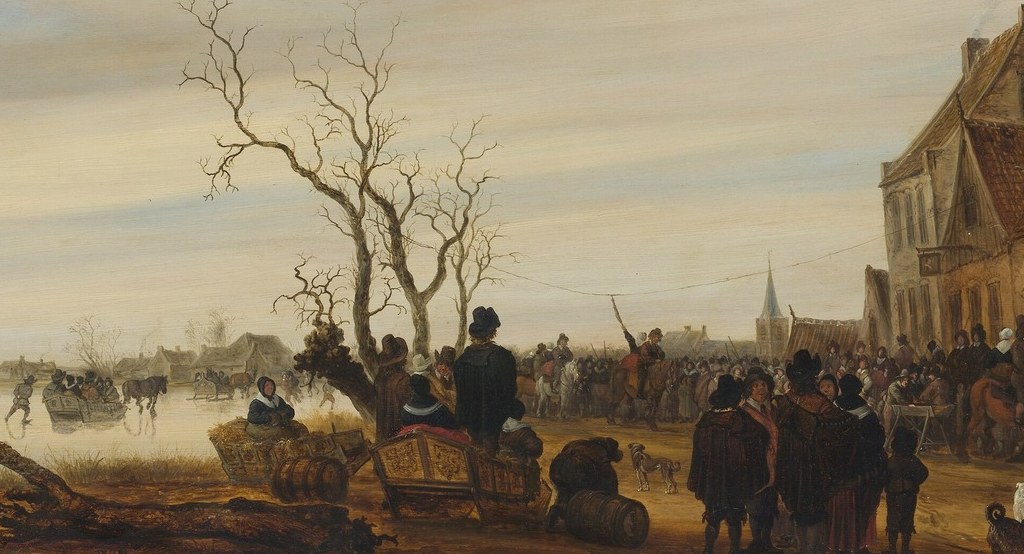
Salomon van Ruysdael's "Drawing the Eel," painted around 1650, captures a traditional Dutch festival game that was soon banned. This vibrant oil on wood artwork depicts the communal activity of 'palingtrekken,' or eel pulling, a popular spectacle of its time.
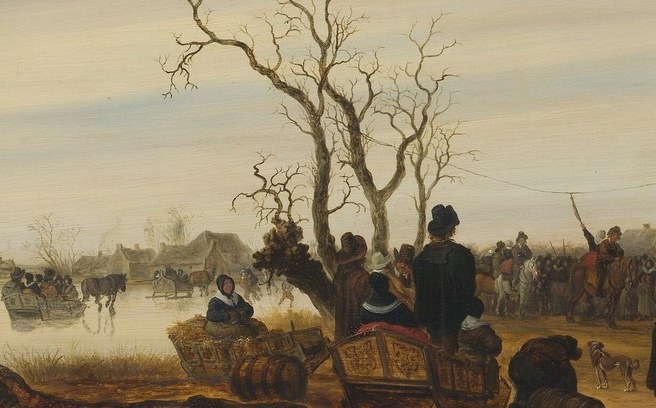
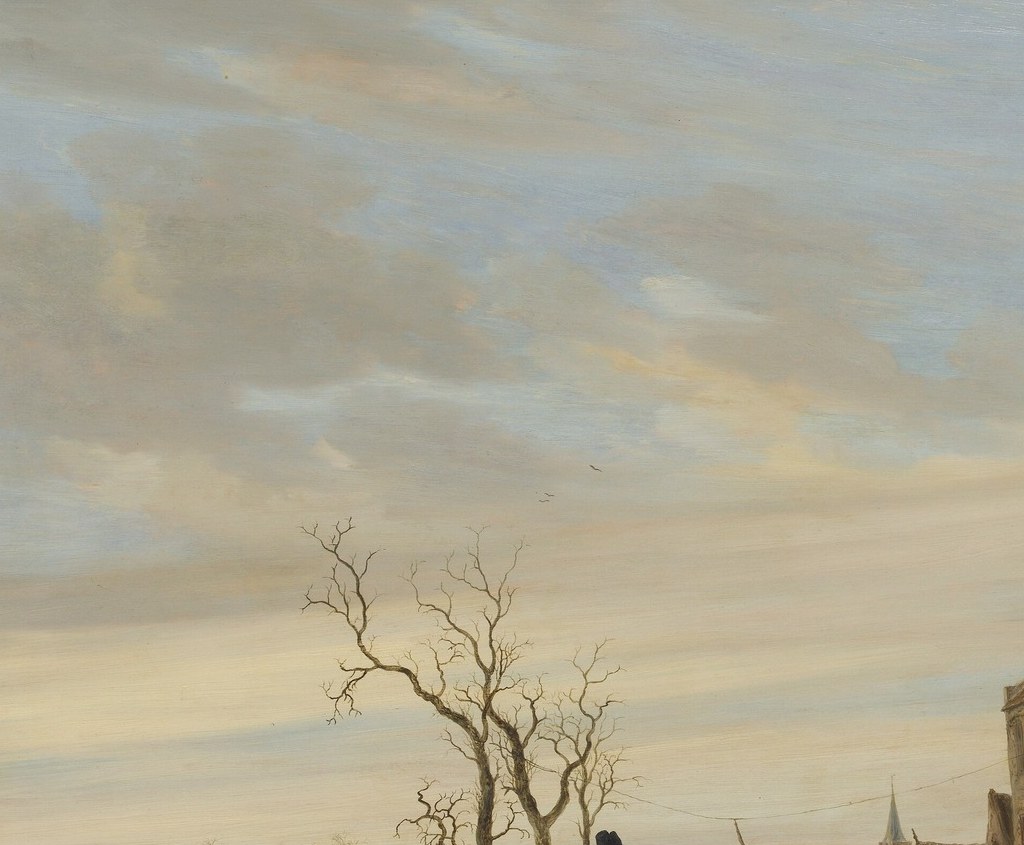
Look closely at the central crowd, and you can see figures engaged in the eel-pulling activity. Participants would attempt to pull a live eel from a rope stretched across a waterway, often leading to boisterous public gatherings.
The painter, a prominent Dutch Golden Age landscape artist, frequently depicted scenes of everyday life and communal celebrations. However, the very game he documented here was officially outlawed shortly after the painting's creation due to concerns over animal cruelty and public order. This makes the artwork a fascinating record of a custom that quickly became obsolete.
"Drawing the Eel" is held in the collection of the Metropolitan Museum of Art, and it offers a vivid window into a moment of Dutch cultural history, preserving a practice that history ultimately left behind. What other traditions do you think have been lost to time?
Details
Transcript
This painting captures a lively Dutch festival scene. People gathered for 'palingtrekken,' or eel pulling. Competitors tried to pull an eel from a rope over water. The painter was known for capturing such daily life. But the game was banned just a few years after this painting. Due to its cruelty, the festival became a public nuisance. A glimpse of a past custom, now forbidden.