Ruins of the Parthenon by Gifford, Sanford Robinson
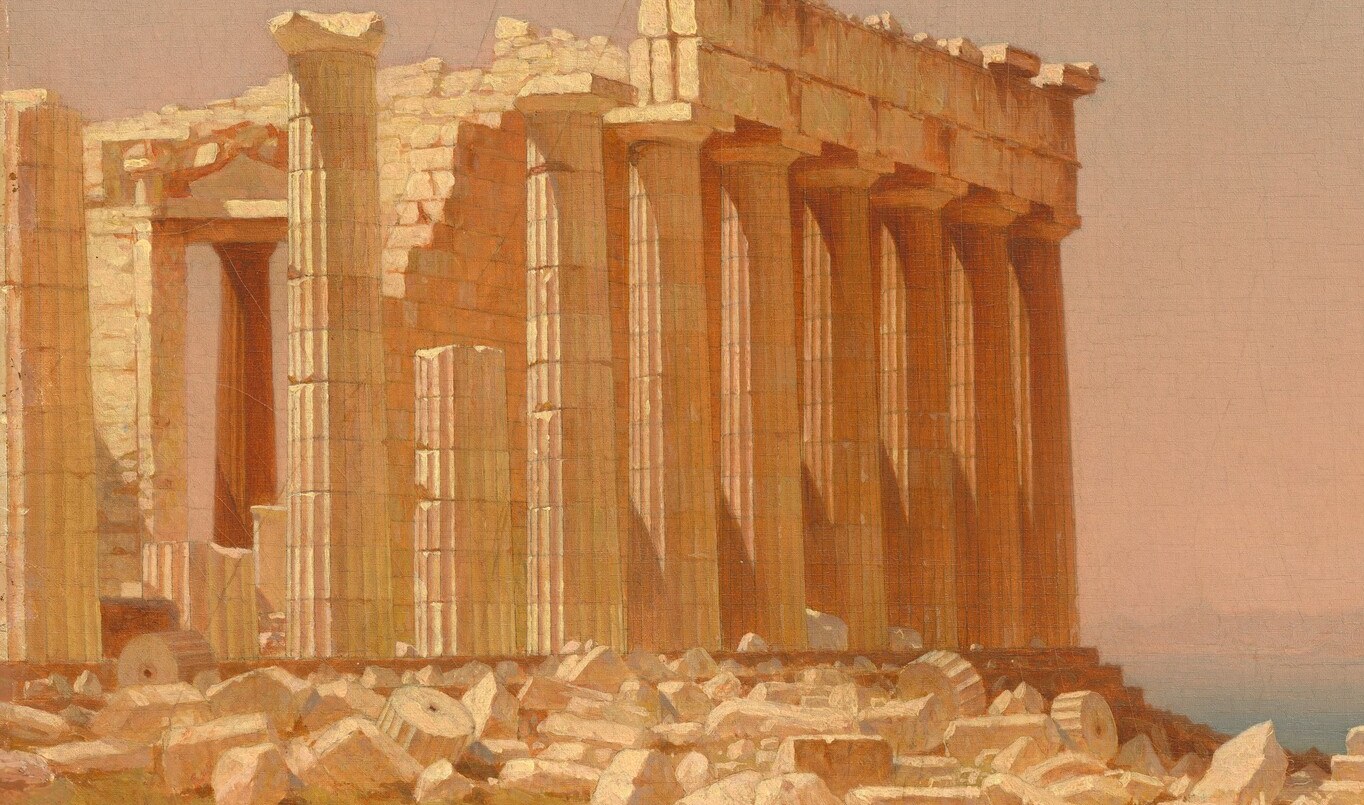
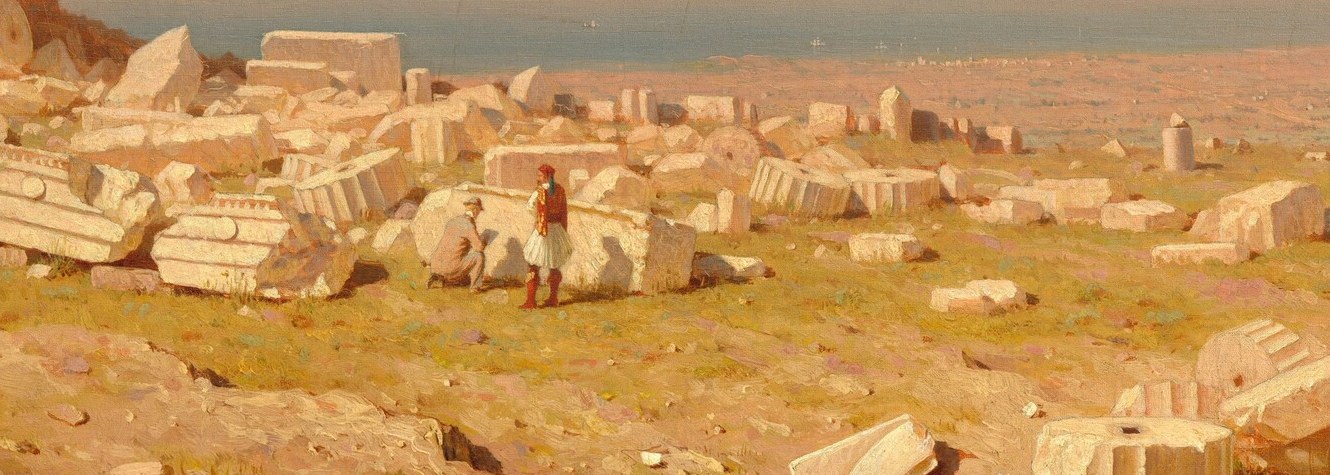
Sanford Robinson Gifford's "Ruins of the Parthenon," painted in 1880, is a masterful example of American Luminism, despite the artist never having visited Greece. This oil on canvas, now held in a private collection, captures the iconic structure in a state of decay, emphasizing the passage of time and the grandeur of antiquity.
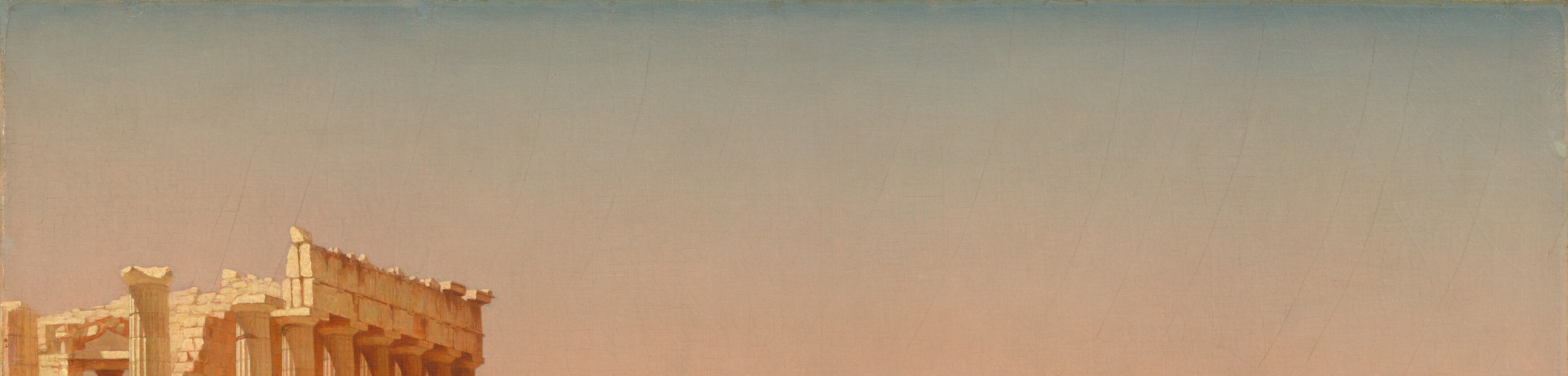
Gifford, a key figure in the second generation of the Hudson River School, relied on sketches and descriptions from others to create this evocative scene. Notice the luminous sky and the interplay of light and shadow, hallmarks of his technique that give the painting its serene, almost ethereal quality.
His landscapes, often depicting natural wonders and historical sites, are celebrated for their tranquil atmosphere and meticulous detail. Today, Gifford's paintings are highly sought after, regularly fetching significant sums at auction, reflecting their enduring artistic and historical value.
It’s fascinating how an artist can capture such a powerful sense of place without ever having stood there himself.
Details


Transcript
This American painter never saw the Parthenon. He painted these famous ruins from sketches by others. The scene evokes the vastness of time and history. It exemplifies the Luminist style, prized for its light. His works now sell for millions, a testament to his vision.