Madonna della tenda by Raphael
Raphael's Madonna della Tenda, created around 1513, is a tender depiction of the Virgin Mary embracing the Christ Child, with Saint John the Baptist looking on. The painting is noted for its intimate portrayal of maternal affection and subtle theological cues.
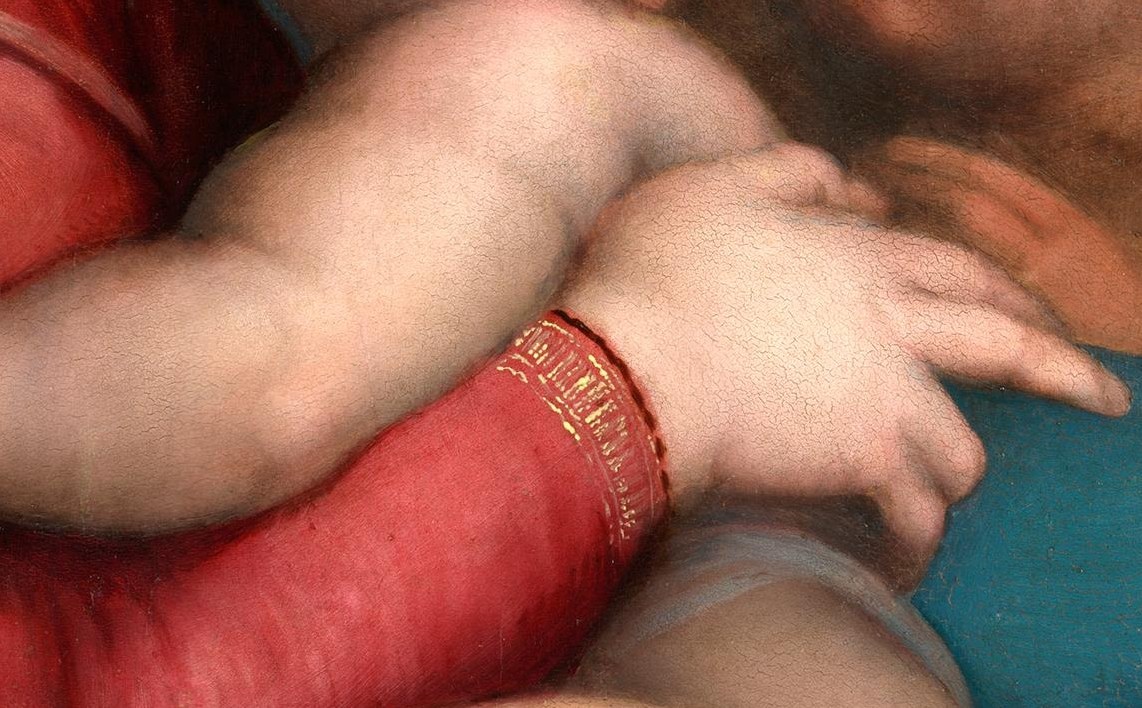
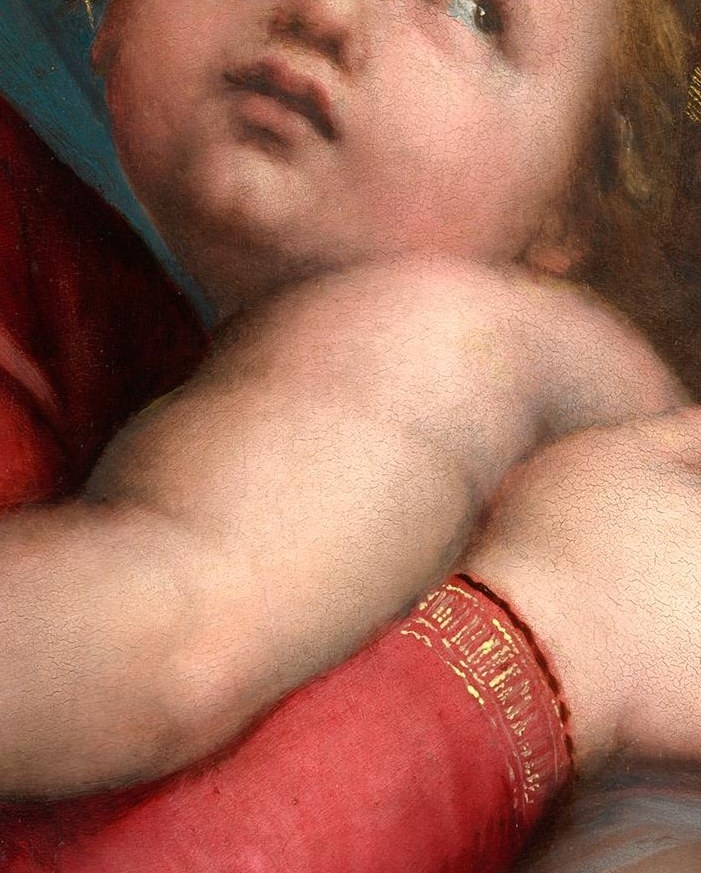
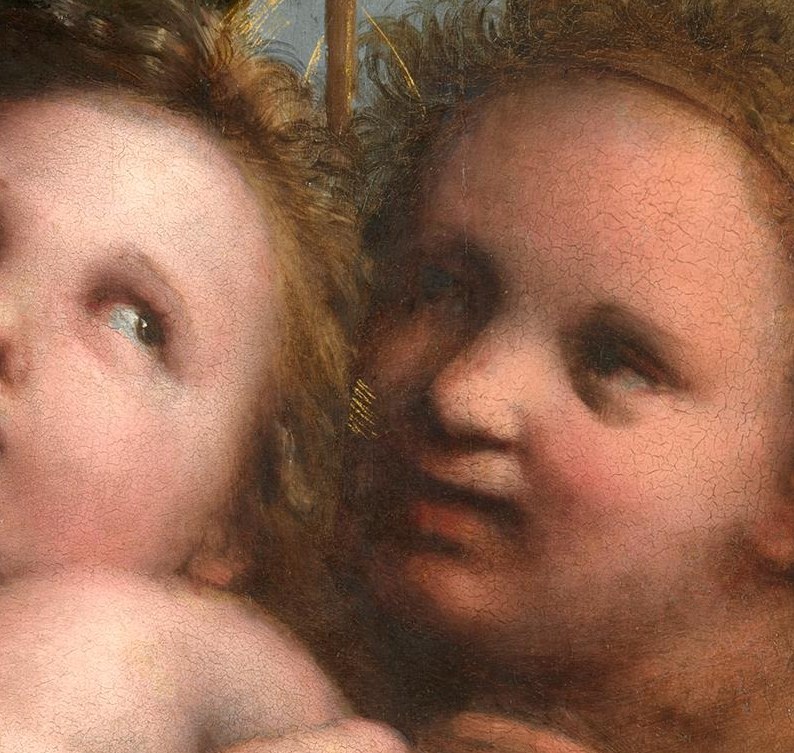
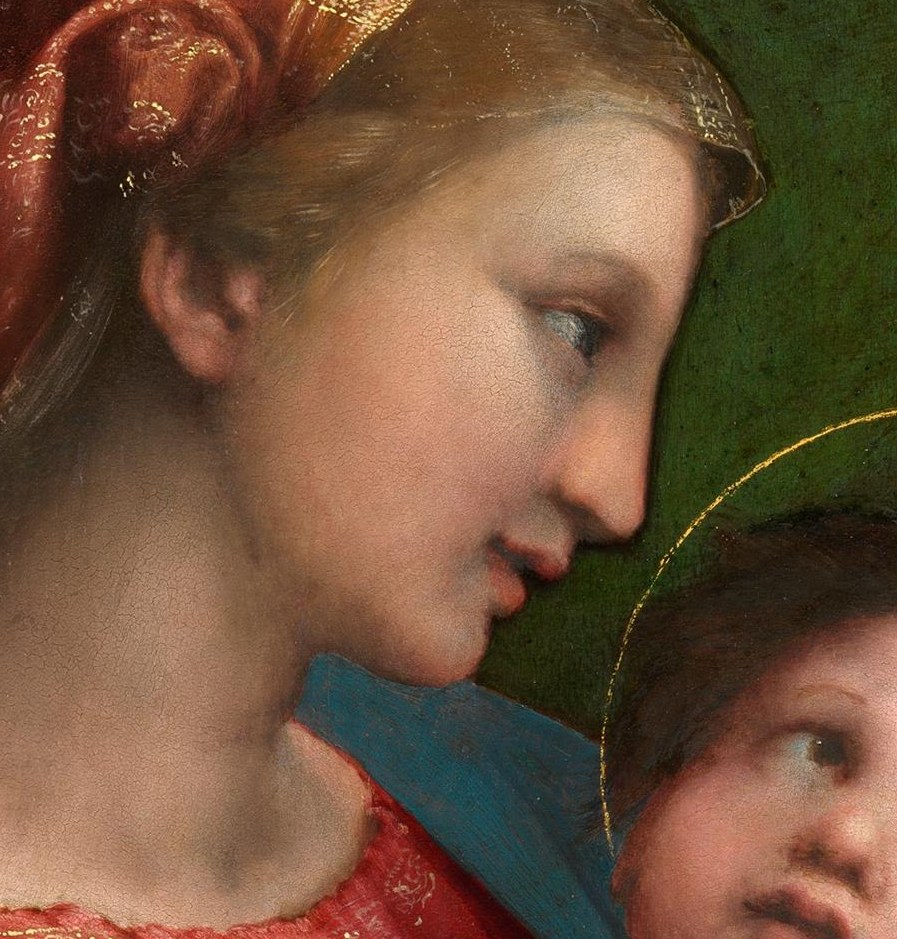
Look at Mary's hands gently cradling Jesus, emphasizing their protective bond. Notice the Christ Child's arm wrapped around his mother's neck, a gesture of closeness. Observe John the Baptist in profile, holding the symbolic cross, hinting at future sacrifice.
This work was created during a prolific period for Raphael, who was soon to embark on major commissions for the Vatican, including the famous Stanze frescoes. The painting's composition shares similarities with his Madonna della Seggiola, showcasing his ongoing exploration of the Madonna and Child theme.
It's a quiet moment of connection, typical of Raphael's humanistic approach to sacred subjects.
Details
Transcript
This is Raphael's Madonna della Tenda. Mary cradles the Christ Child tenderly. His arm clings to his mother's neck. John the Baptist watches them closely. A small cross is John's sacred symbol. Raphael painted this around 1513. His style shows maternal serenity. The artist later worked on the Vatican's Stanze.