Portrait of Constantine Phipps by John Smart
John Smart's *Portrait of Constantine Phipps*, painted in 1770 and held at The Cleveland Museum of Art, caused a stir upon its debut for a surprisingly subtle detail.
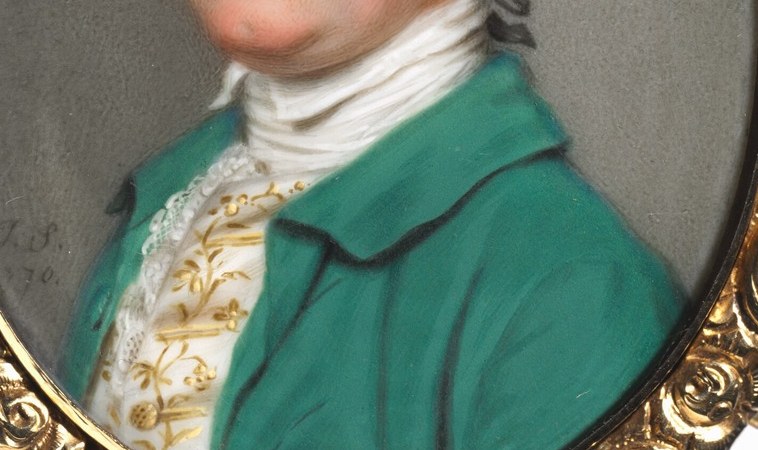
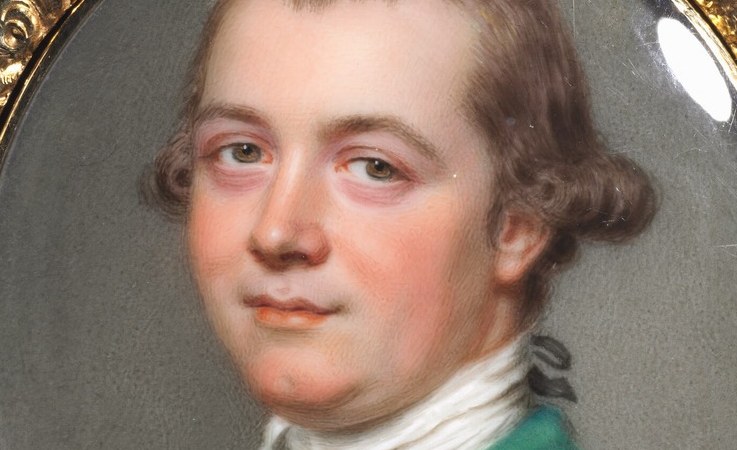
At first glance, it appears to be a perfectly polite miniature, showcasing Smart's elegant style and precision. The subject, Constantine Phipps, is depicted with delicate features, a crisp cravat, and a fine green coat.
However, what made this portrait scandalous in the late 18th century was Phipps's choice of hairstyle. Instead of a fashionable wig, he is shown wearing his own hair, merely powdered. This departure from social convention, while seemingly minor to us today, was a bold statement that challenged established norms.
It reminds us how much visual details, even the smallest ones, once communicated in a deeply structured society. What other subtle rebellions do you notice in art?
Details
Transcript
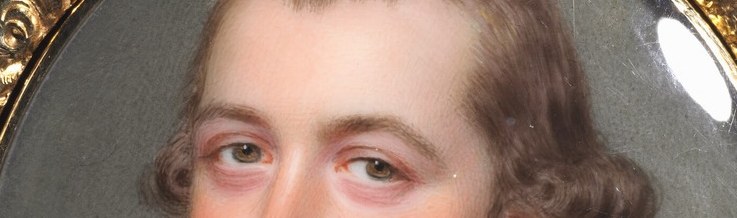
This small portrait seems perfectly polite. The painter was known for his elegant, refined style. His name and the date are subtly inscribed on the frame. But look closely at the subject's face. Does anything strike you as unusual? In the 1700s, this portrait was considered scandalous. Why? He is wearing no wig, his own hair powdered instead.