Grape and Melon Eaters by Bartolomé Esteban Murillo
Bartolomé Esteban Murillo's "Grape and Melon Eaters," painted around 1650 and now in the Alte Pinakothek in Munich, showcases a surprising side of an artist primarily known for religious commissions. Rather than depicting the piety expected of the era, Murillo chose to celebrate the unbridled joy of street children.
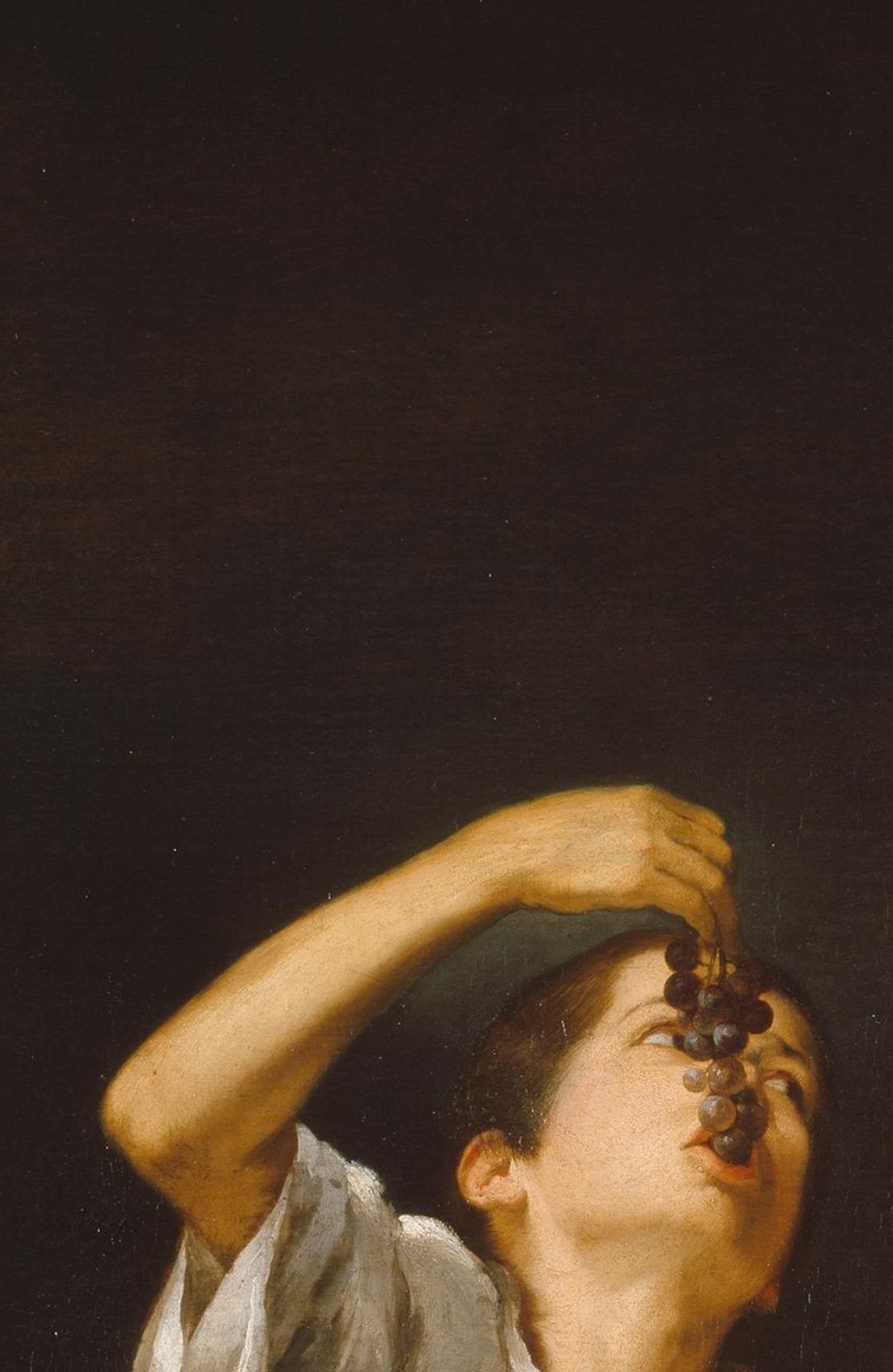
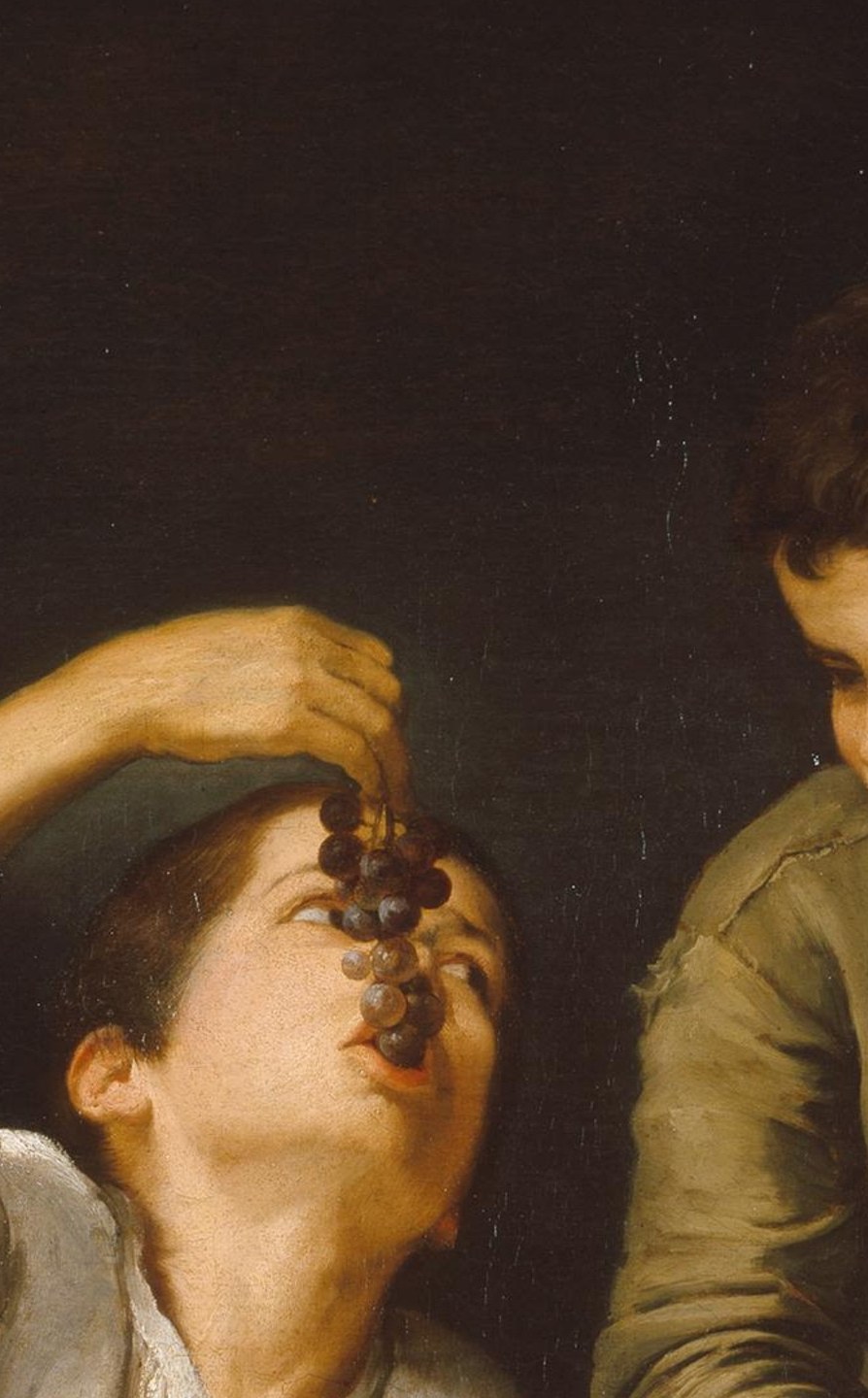
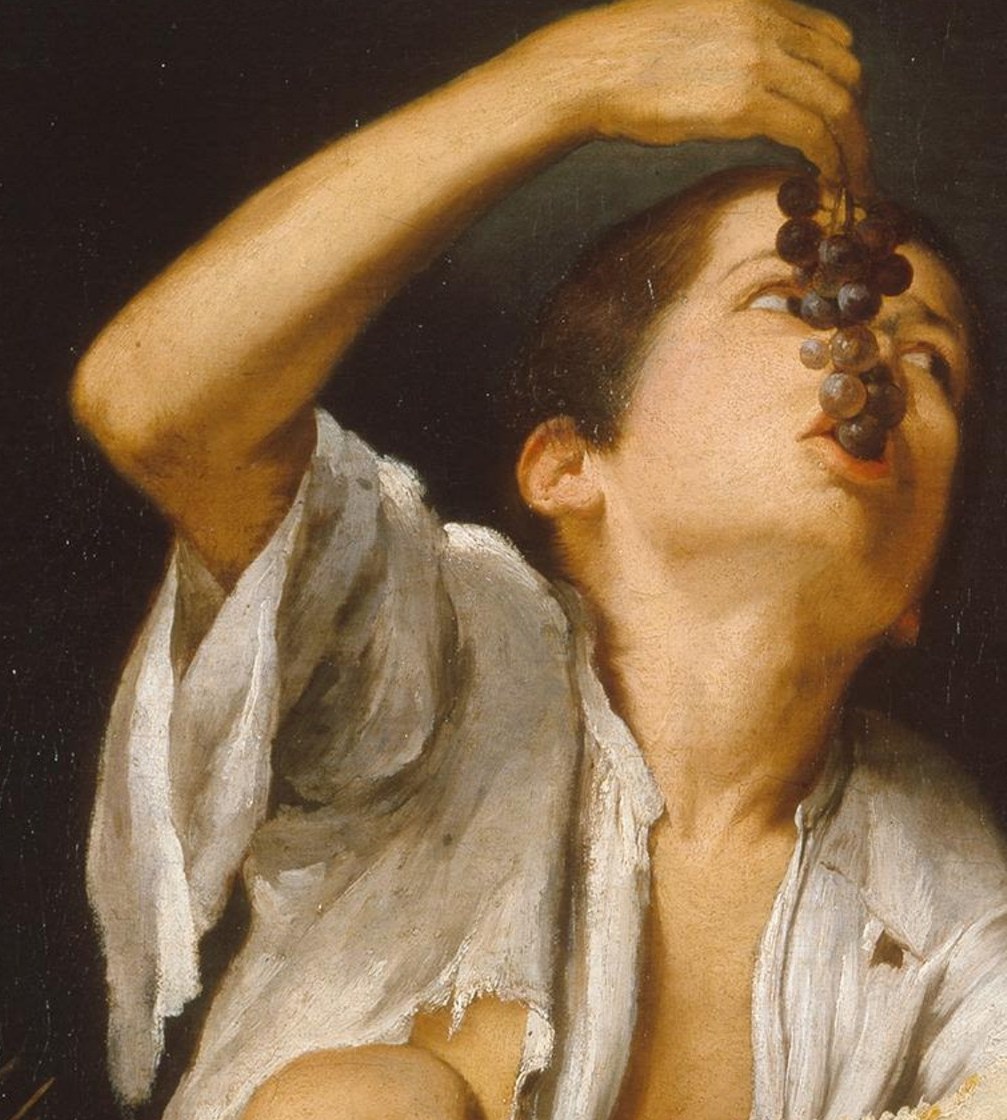
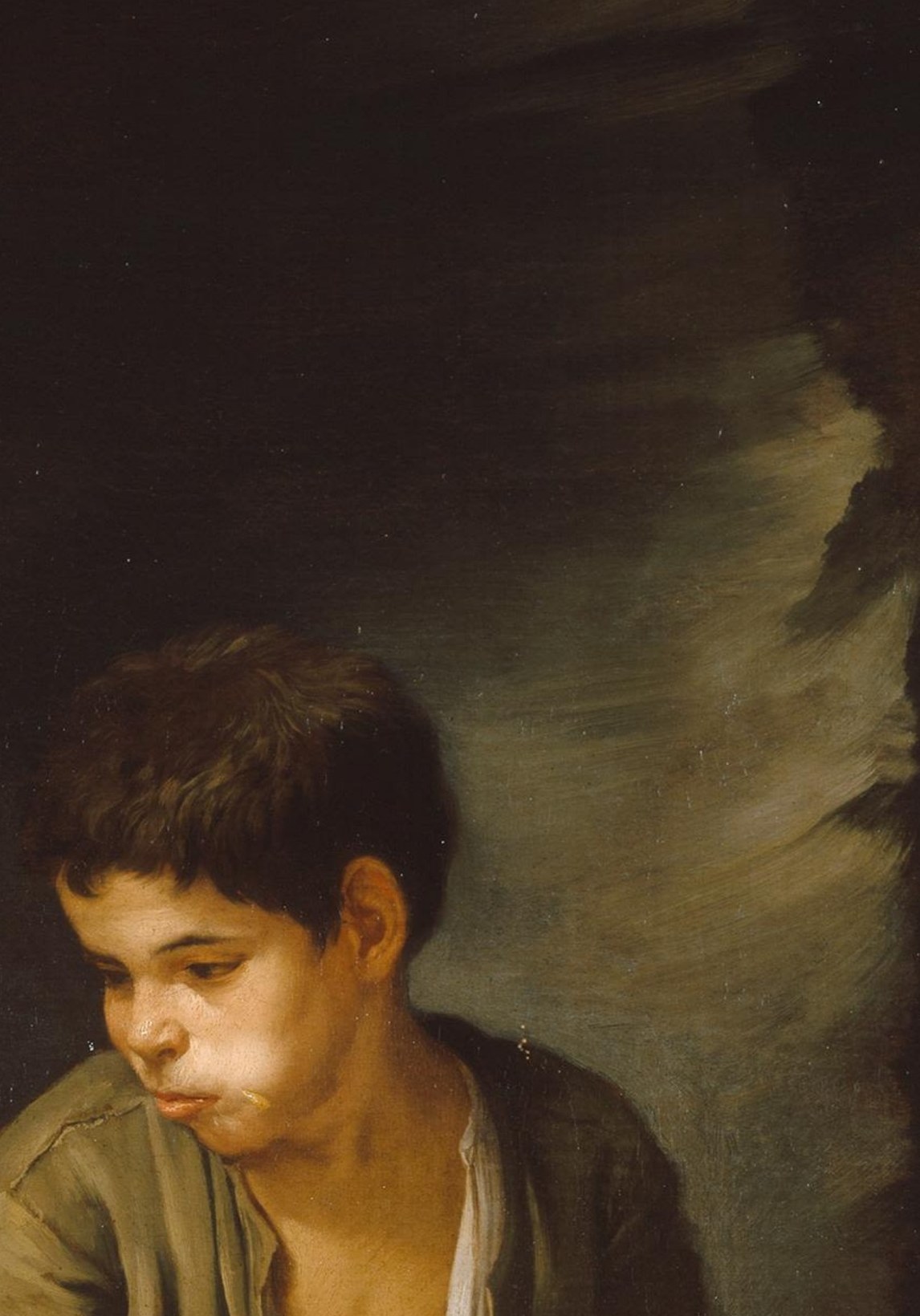
Look closely at the left boy's face, upturned in pure ecstasy to receive grapes. This uninhibited expression of pleasure was a radical departure from conventional portraiture and genre scenes of the Spanish Golden Age. Murillo's masterful use of light, particularly the chiaroscuro on the boy's neck and collarbone, elevates his tattered clothing, giving him a dignity often reserved for saints.
Murillo's genre paintings, including other works like "Children Playing Dice" and "The Young Beggar," became a significant part of his oeuvre, providing a counterpoint to the sacred subjects that dominated commissions. He observed and painted the daily lives of contemporary women and children, creating an extensive record of his times.
This painting invites us to reconsider what was considered worthy of artistic attention in 17th-century Spain, finding beauty and profound humanity in unexpected places.
Details
Transcript
This Spanish painter worked almost exclusively for the Church. But Murillo also loved painting the street children of his city. Look at the pure, unselfconscious joy on this boy's face. Such uninhibited pleasure was a radical choice for the time. The light makes his torn shirt shimmer like a saint's robe. Murillo painted children like this for the rest of his life.