A Carriage Ride by Edward Lamson Henry
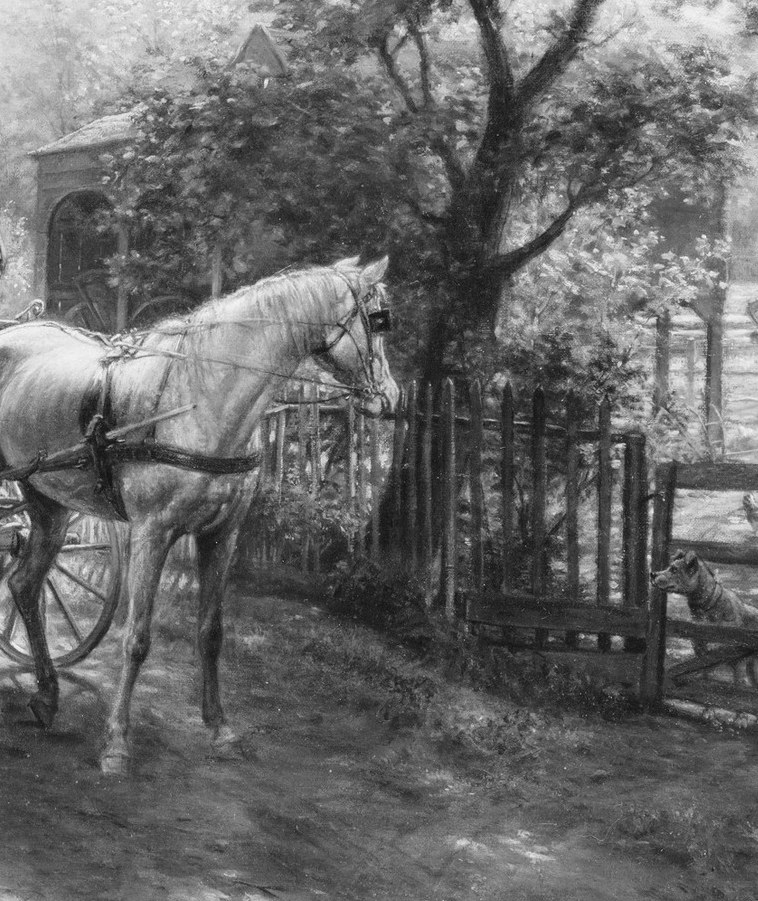
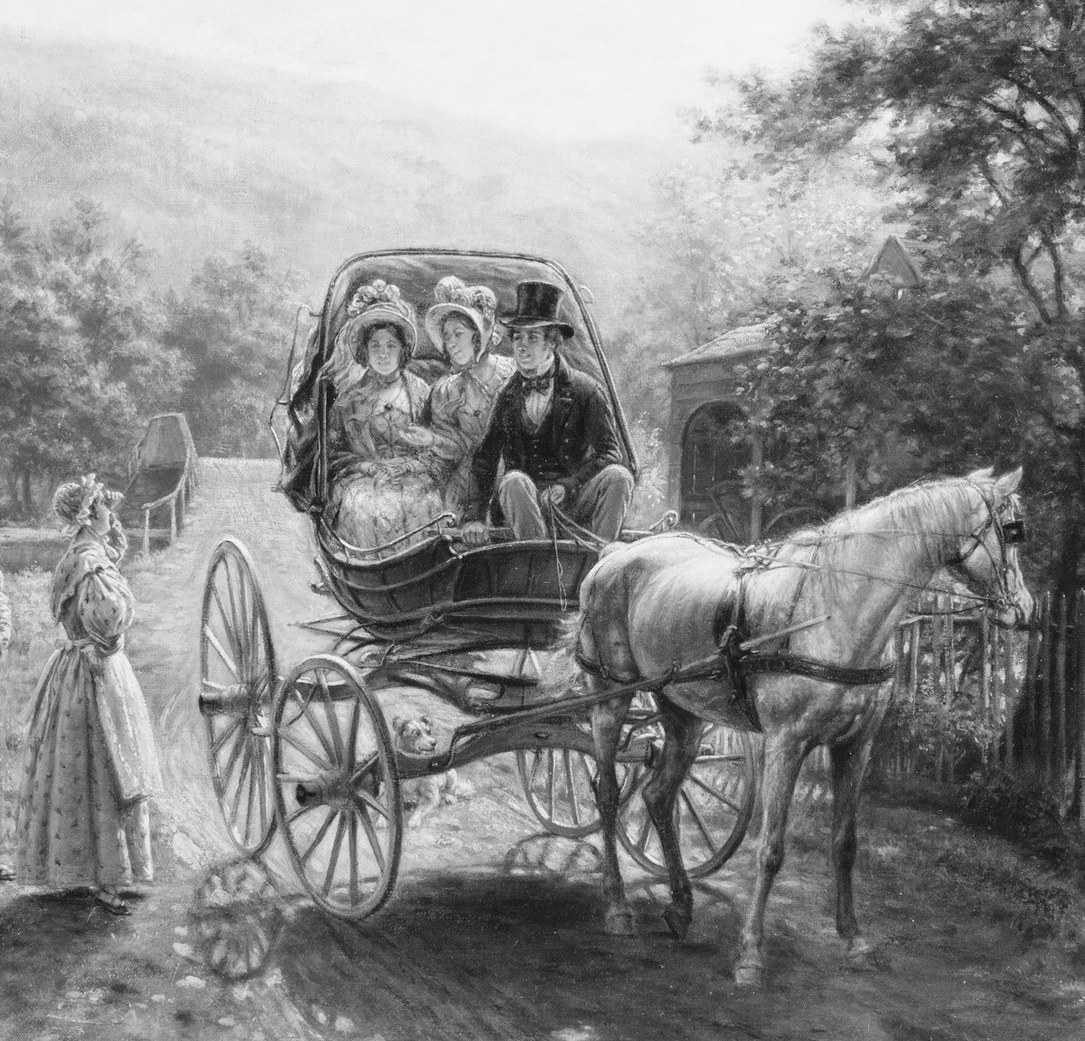
Edward Lamson Henry's "A Carriage Ride," painted in 1893, is a superb example of American Impressionism, housed at The Metropolitan Museum of Art. Henry excelled at capturing moments of everyday life, often imbuing them with subtle details that reward close looking.
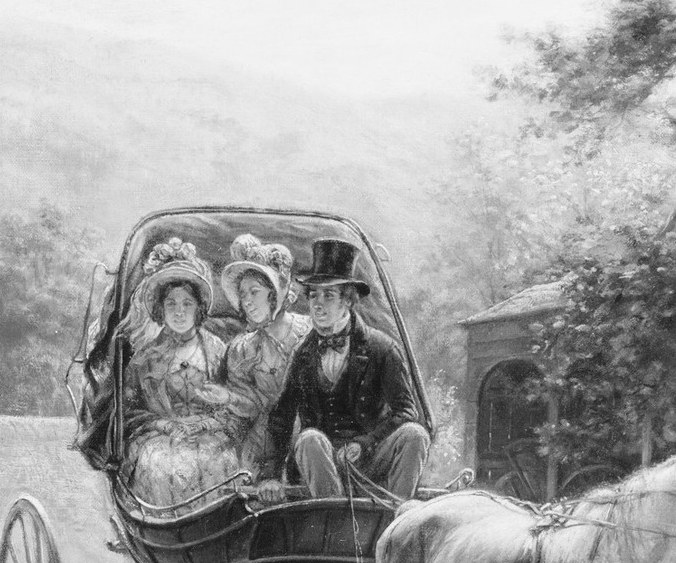
At first glance, this painting appears to be a simple roadside encounter. However, zoom in on the covered carriage and you'll find the barely discernible faces of its passengers, sparking curiosity about their journey. Then, shift your gaze to the upper-left background.
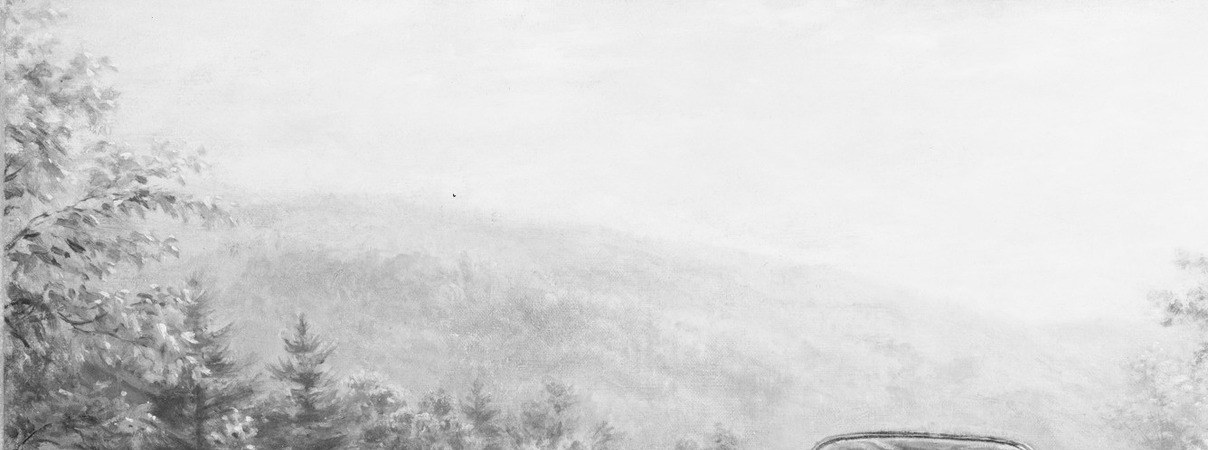
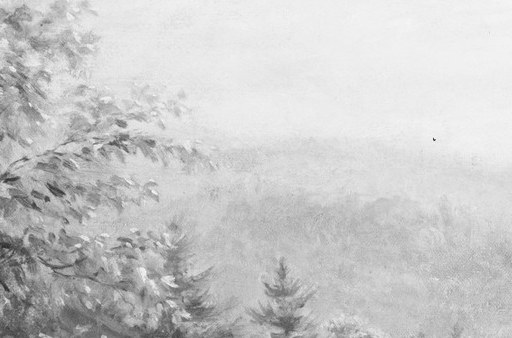
Through the soft haze, a faint architectural form emerges, a distant building that situates the scene, telling us this isn't an isolated road, but part of a larger landscape. These tiny, hidden elements were characteristic of Henry's work, drawing viewers deeper into his narratives.
Henry, a genre painter born in Charleston, South Carolina, masterfully used light and intricate brushwork to create depth and atmosphere. What other stories do you imagine within this scene?
Details
Transcript
This painter was a master of everyday scenes. Look closely at the carriage passengers. Their faces are just visible, inviting a story. Now look far into the upper left background. There, a faint structure reveals where they are. Small details like this make his paintings come alive.