Faustine Léo (1832–1865) by Henri Lehmann (French, 1814–1882)
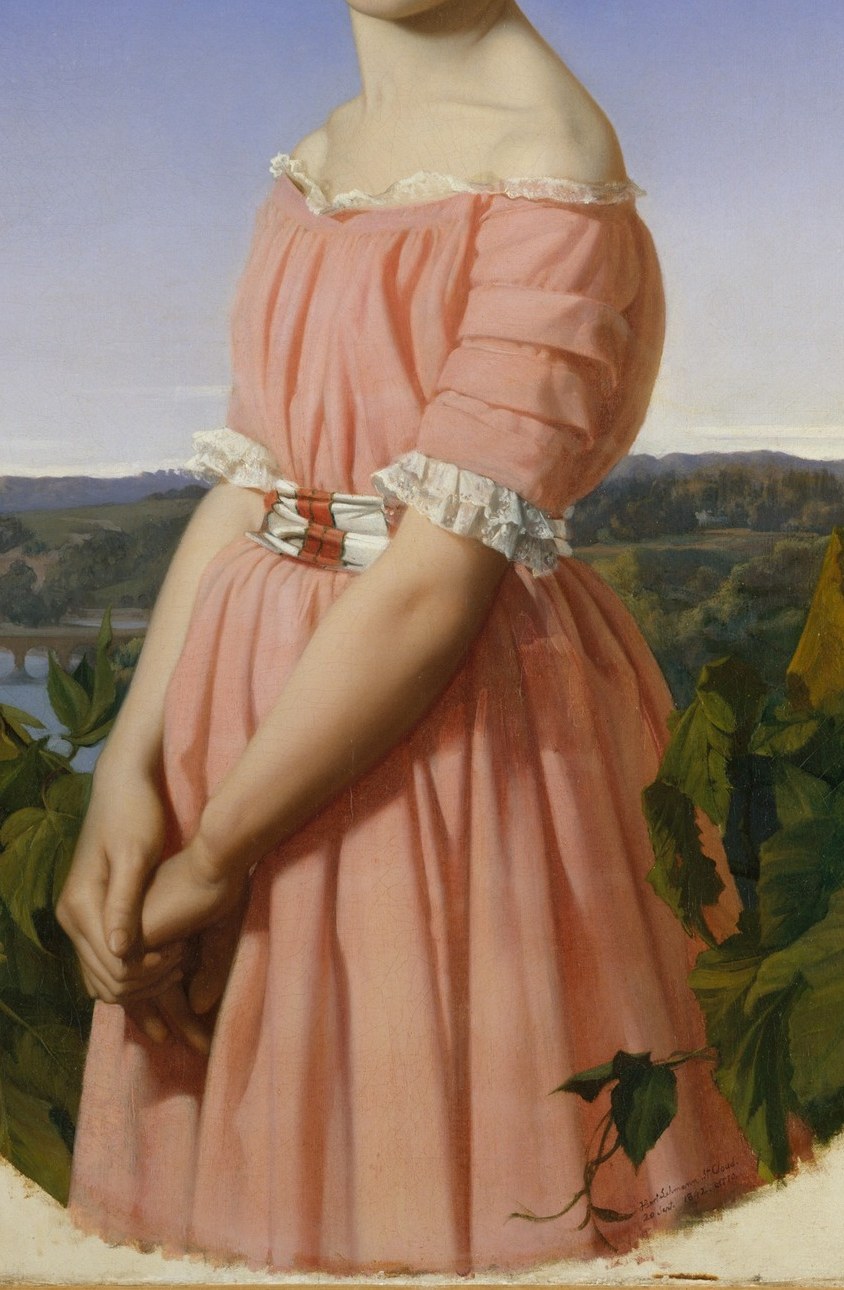
Henri Lehmann's portrait, *Faustine Léo*, painted in 1842, captures its subject at just ten years old. This serene depiction, now at The Metropolitan Museum of Art, holds a poignant hidden meaning.
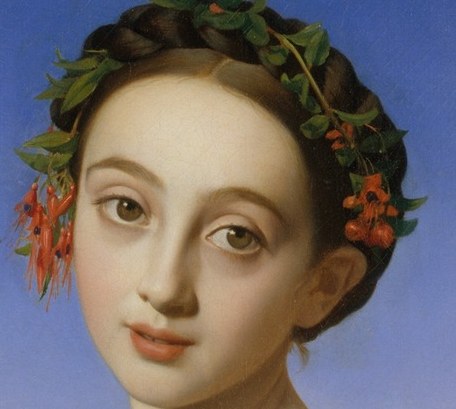
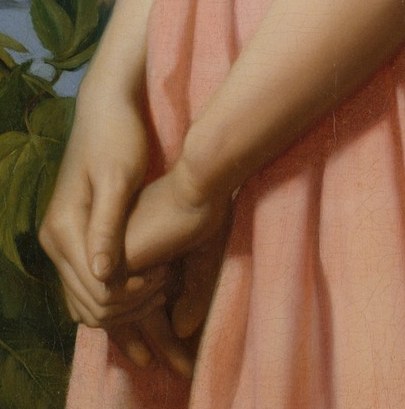
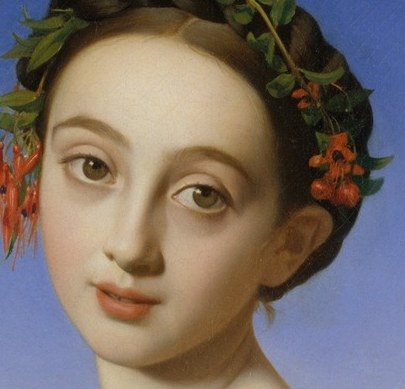
Notice the delicate wreath of leaves and red blossoms adorning her head, a classical symbol often associated with youth and nature. Her hands are gently clasped, contributing to an idealized image of childhood.
Tragically, Faustine Léo would die at the age of 33, in 1865. Lehmann’s painting, created decades before her passing, thus preserves her forever in youthful innocence, a timeless tribute.
The artist, a German-born French historical painter, was known for his portraits. This work offers a glimpse into both the artistic conventions of the 19th century and a personal story of fleeting life.
Details
Transcript
This portrait from 1842 captures a young girl, Faustine Léo. She wears a wreath of leaves and flowers, a classical symbol. It suggests her youth, and perhaps a connection to nature. Her quiet, folded hands add to the serene, idealized image. But the girl died young, at just 33 years old. The painting, created when she was ten, captures her forever young.