Abraham y los tres ángeles by Juan Antonio de Frías y Escalante
Juan Antonio de Frías y Escalante's "Abraham y los tres ángeles," painted in 1667, captures a pivotal biblical moment of divine hospitality. This Spanish Baroque masterpiece, housed in the Museo del Prado, invites viewers to decode its rich symbolism.
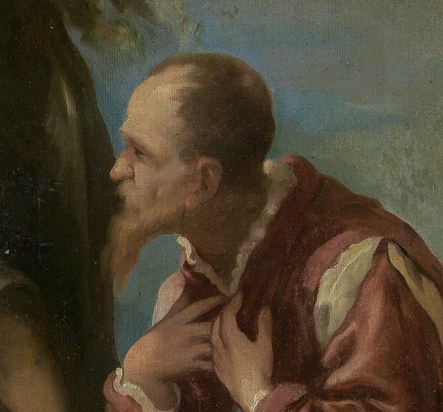
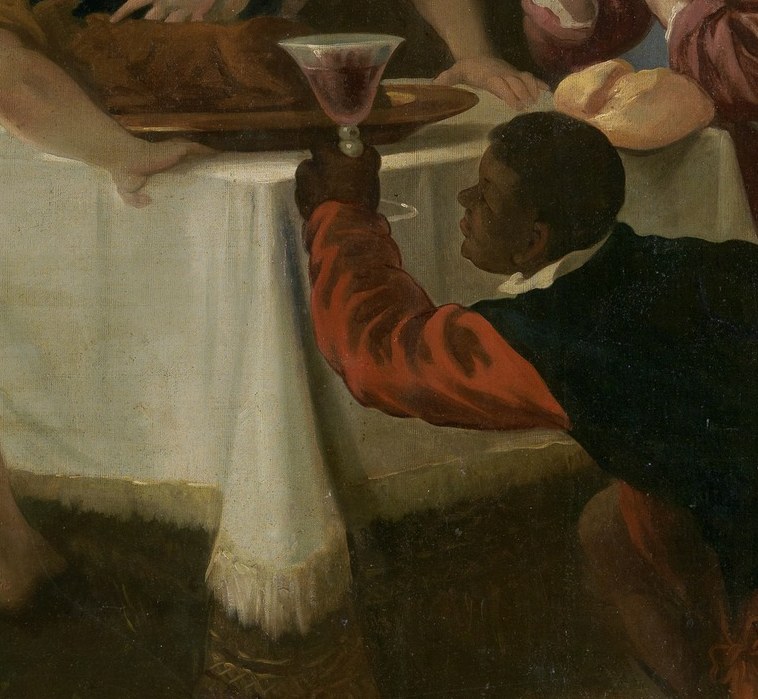
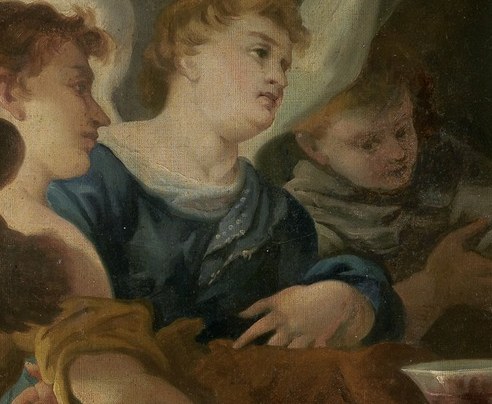
The painting depicts Abraham receiving three angelic visitors by the oaks of Mamre. The humble meal, particularly the bread and wine, are central to the narrative. The bread symbolizes sustenance and the Eucharist, while the wine represents hospitality and divine grace, highlighting the profound nature of this encounter.
Frías y Escalante, a master of the Spanish Golden Age, trained under Francisco Ricci and worked for the Spanish Court. His use of chiaroscuro creates dramatic contrast, drawing attention to the illuminated figures and the symbolic elements, typical of the early Baroque style. This work reflects the Counter-Reformation's interest in biblical scenes that emphasize divine presence and moral instruction.
This painting is a testament to the artist's skill in weaving together narrative, symbolism, and dramatic light to convey a deeply spiritual message.
Details
Transcript
This painter was a master of Spanish Baroque. He shows Abraham receiving three divine visitors. Abraham offers a humble meal. The bread on the table symbolizes sustenance and communion. The goblet of red wine signifies hospitality and grace. The three angels appear as guests, yet are divine. This scene reflects the Counter-Reformation's emphasis on divine presence.