Scene from the Steeplechase: The Fallen Jockey by Degas, Edgar
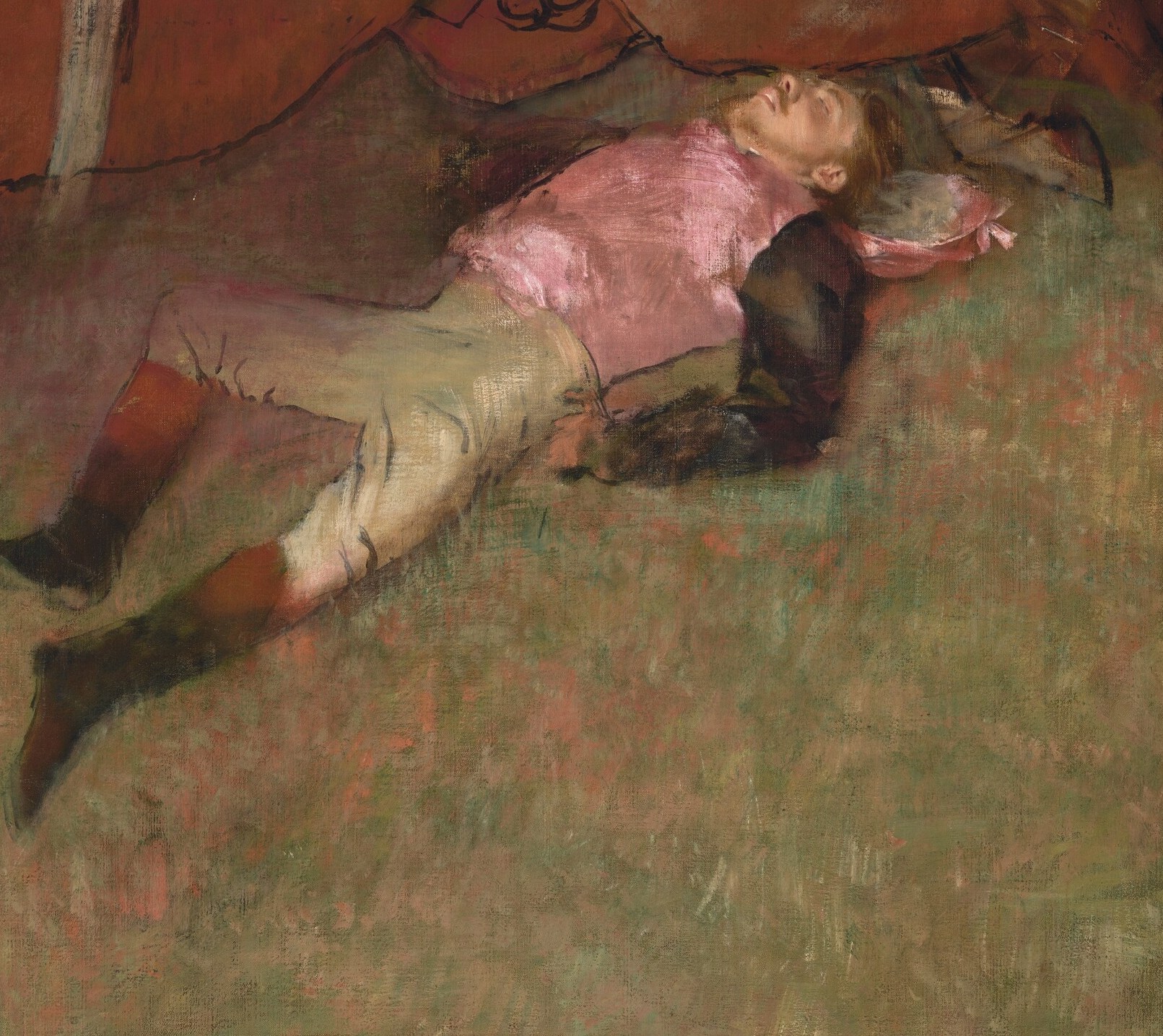
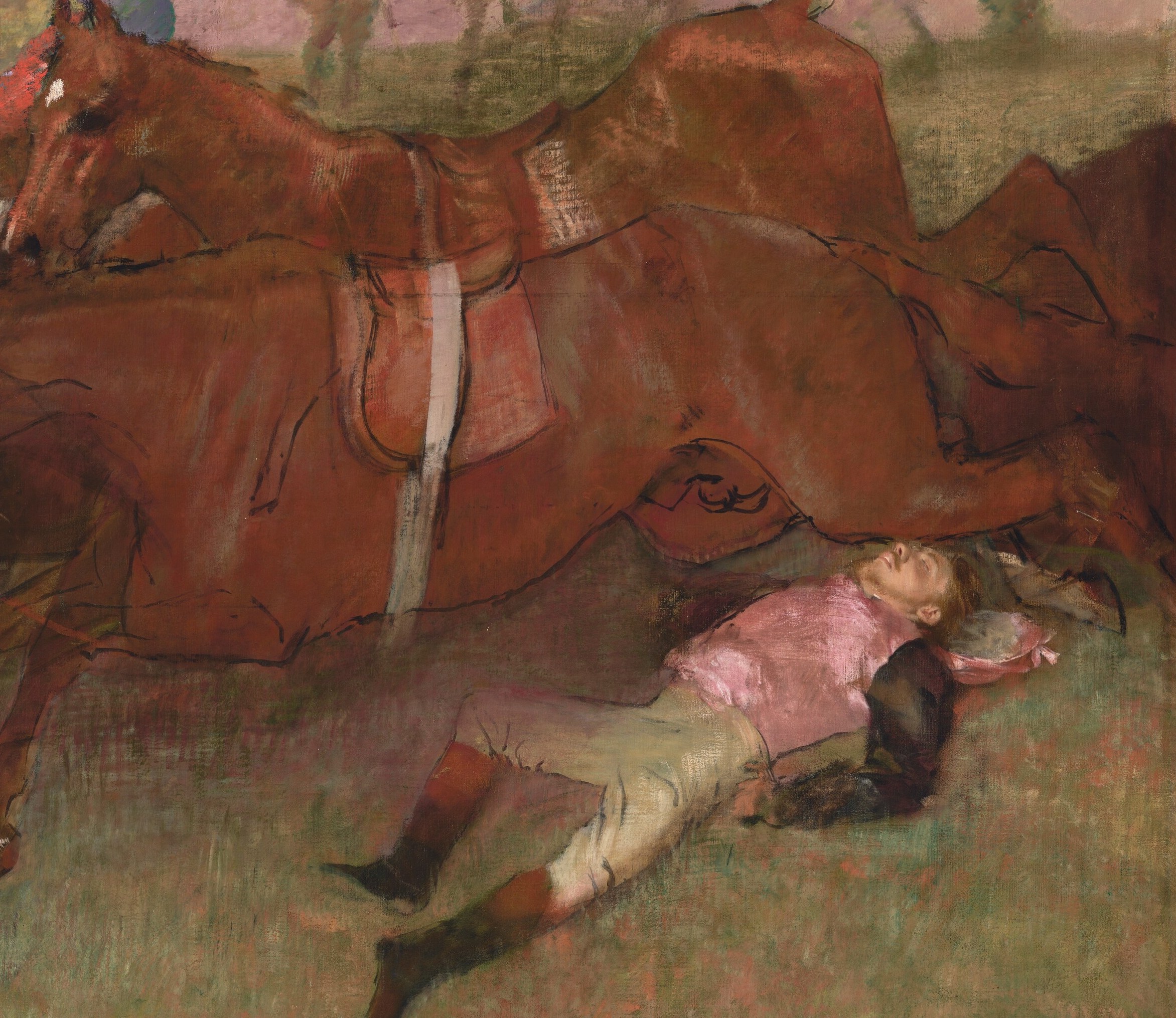
Edgar Degas revised "Scene from the Steeplechase: The Fallen Jockey" (1866, reworked 1880-81 and 1897) multiple times, showing his persistent interest in this dramatic moment. Now at the National Gallery of Art, this painting captures a moment of chaos, not the full race.
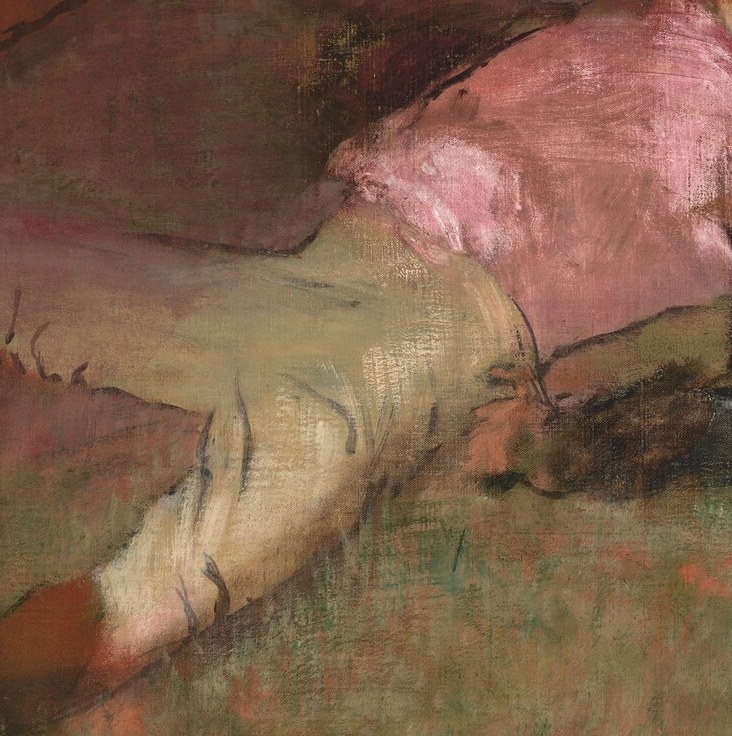
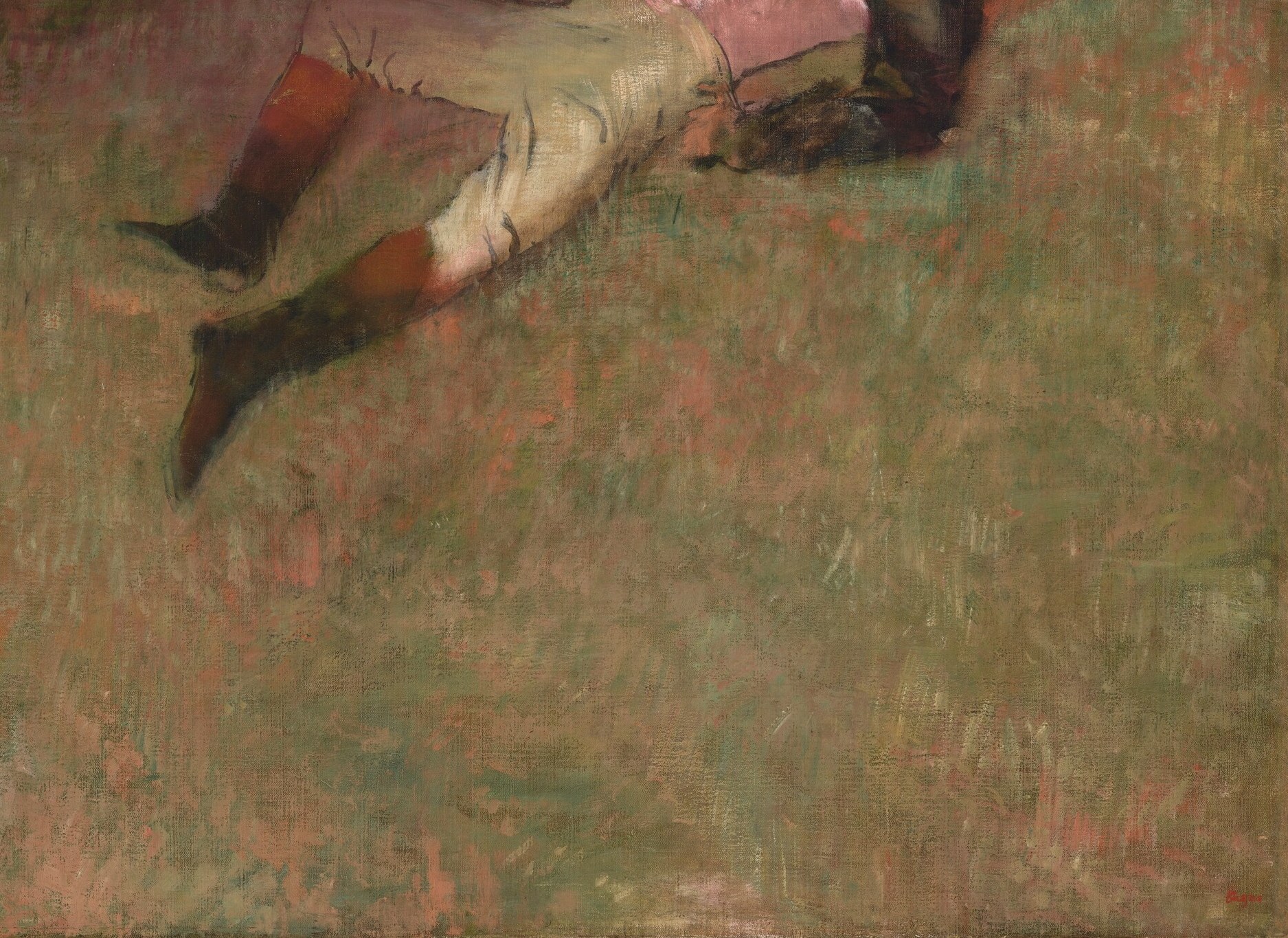
Look closely at the fallen jockey's contorted body and the texture of the muddy ground. Degas employed quick, gestural brushstrokes, using oil paint to create sharp edges and an immediate sense of impact.
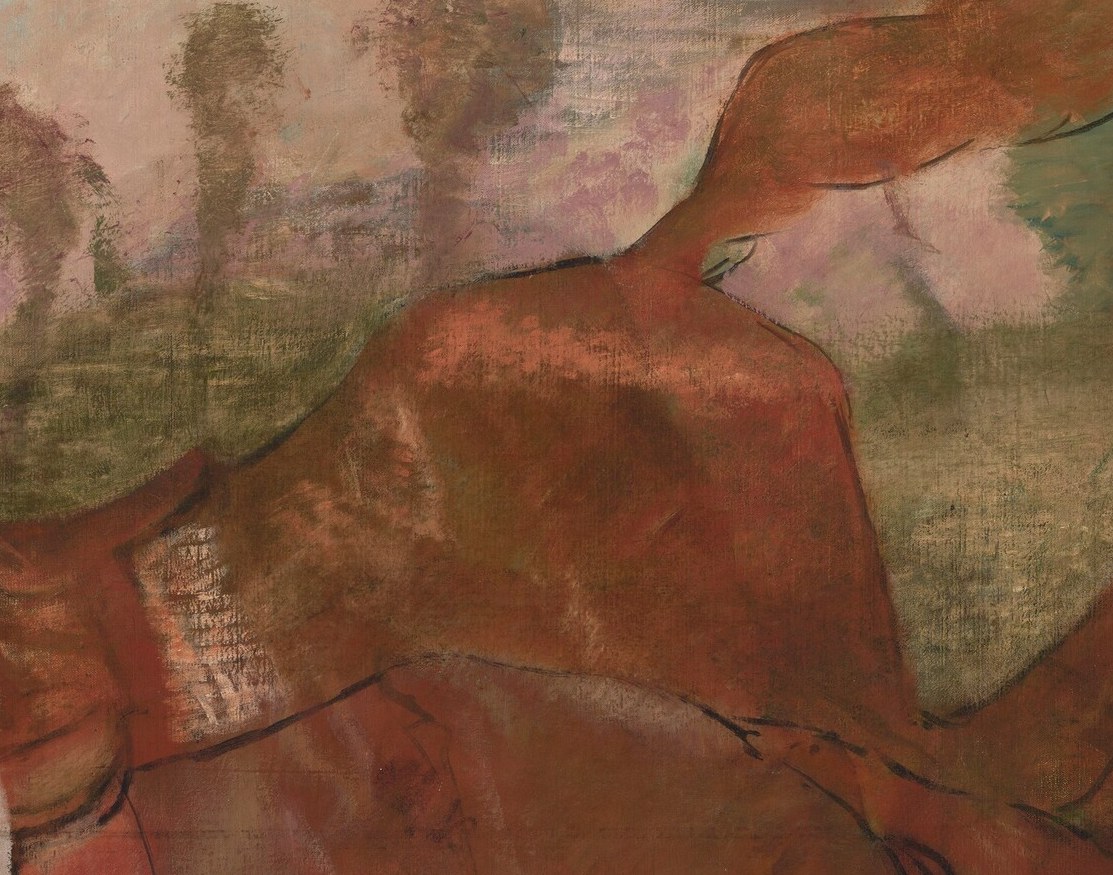
The blurred background figures add depth and suggest the disarray of a crowd or other racers, emphasizing the central drama of the fall. The artist, known for his dancers, also keenly observed the dynamic energy of horse racing.
What do you notice first in this scene?
Details
Transcript
This painting captures a steeplechase, mid-disaster. The artist revisited this canvas three times over decades. He focused on the jumbled moment, not the race itself. Look closely at the jockey's pink shirt and white pants. The mud is rendered with quick, gestural brushstrokes. He used oil paint for sharp edges and immediate impact. The blurred background figures suggest a chaotic crowd.