The Mussel Eaters by Gustave De Smet
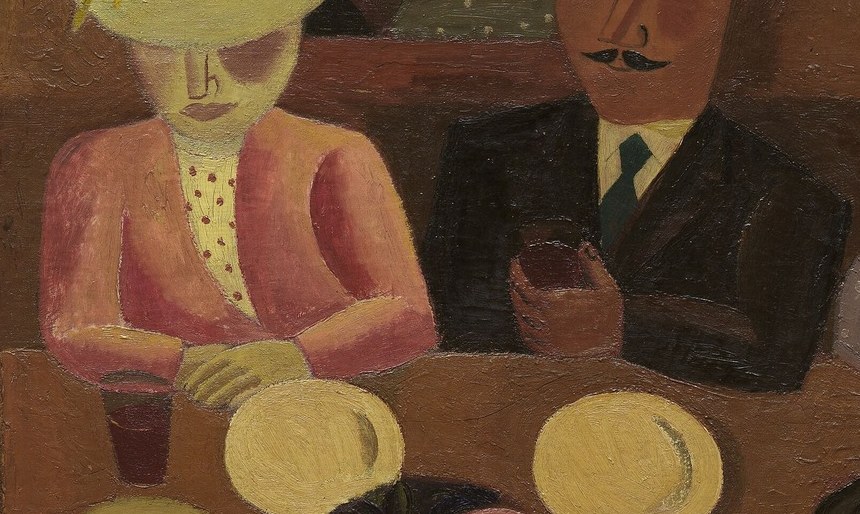
Painted in 1923, Gustave De Smet’s "The Mussel Eaters" captures a quiet, everyday scene after the turmoil of World War I. This oil painting, held at the Royal Museum of Fine Arts Antwerp, offers a window into post-war Belgian life, where normalcy was returning amidst continued hardship.
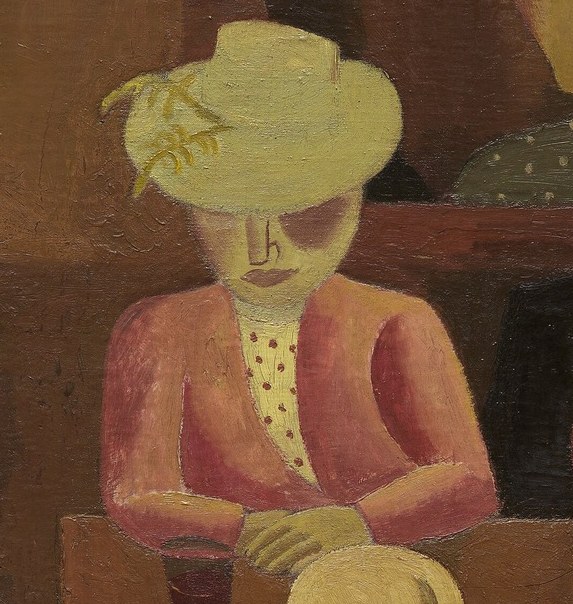
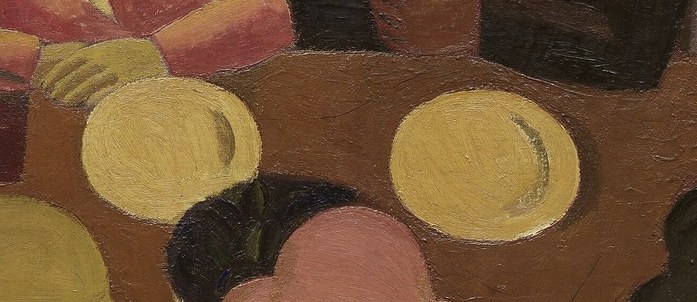
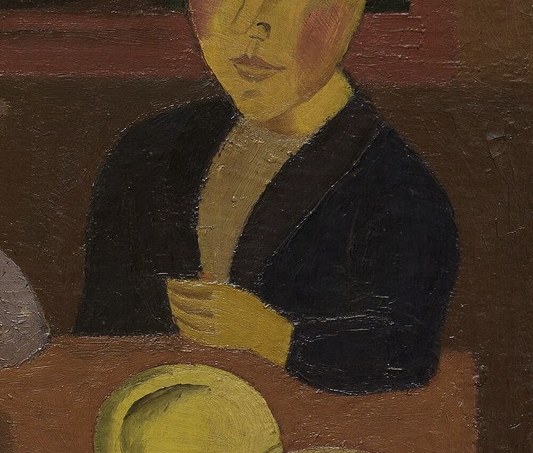
De Smet, a key figure in Flemish Expressionism, used simplified forms and a muted palette to convey emotion and the realities of daily existence. Notice the visible brushstrokes on the hats and tabletop, and the deliberate distortion in the faces, characteristic of his style.
His focus on ordinary subjects like family, food, and domestic animals elevated everyday life through a heightened visual language. The painting reflects a shift from earlier naturalistic traditions towards modernism, influenced by European movements like German Expressionism during his exile in the Netherlands.
This painting invites us to pause and consider the quiet dignity in a simple shared meal, even in challenging times. What feelings does this scene evoke for you?
Details
Transcript
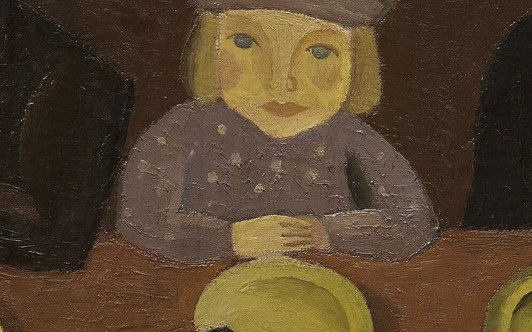
This quiet meal was painted in 1923, after World War I. Belgian life was returning to normal, but hardship remained. The painter was a founder of Flemish Expressionism. He simplified forms and used strong colors, like this child's hat. The thick paint and muted tones show everyday life. This was a period of exploring emotion through simplified art.