John, 4th Earl of Darnley by Gainsborough, Thomas
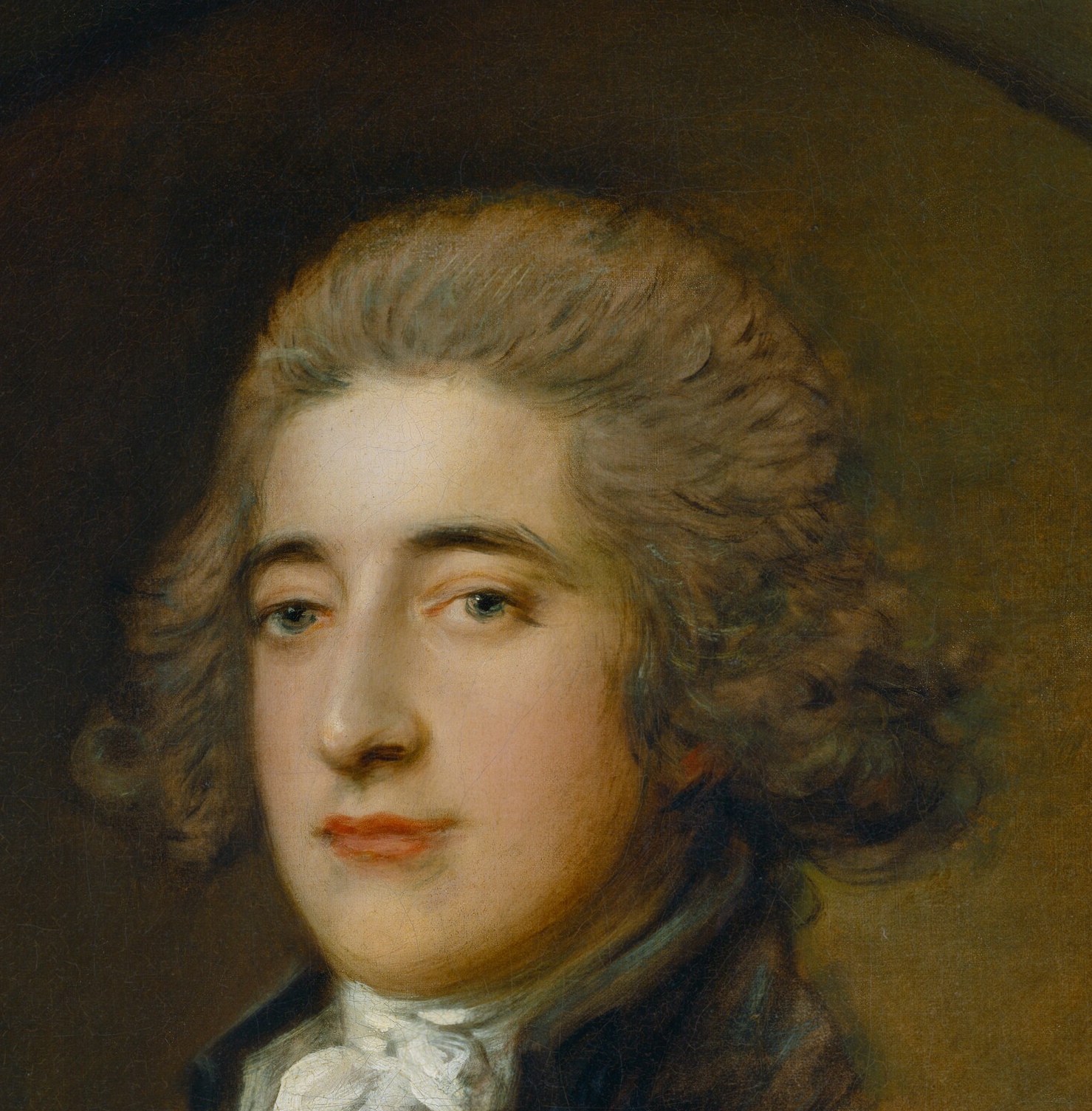
This is John, 4th Earl of Darnley, painted by Thomas Gainsborough in 1785. It hangs in the National Portrait Gallery, London.
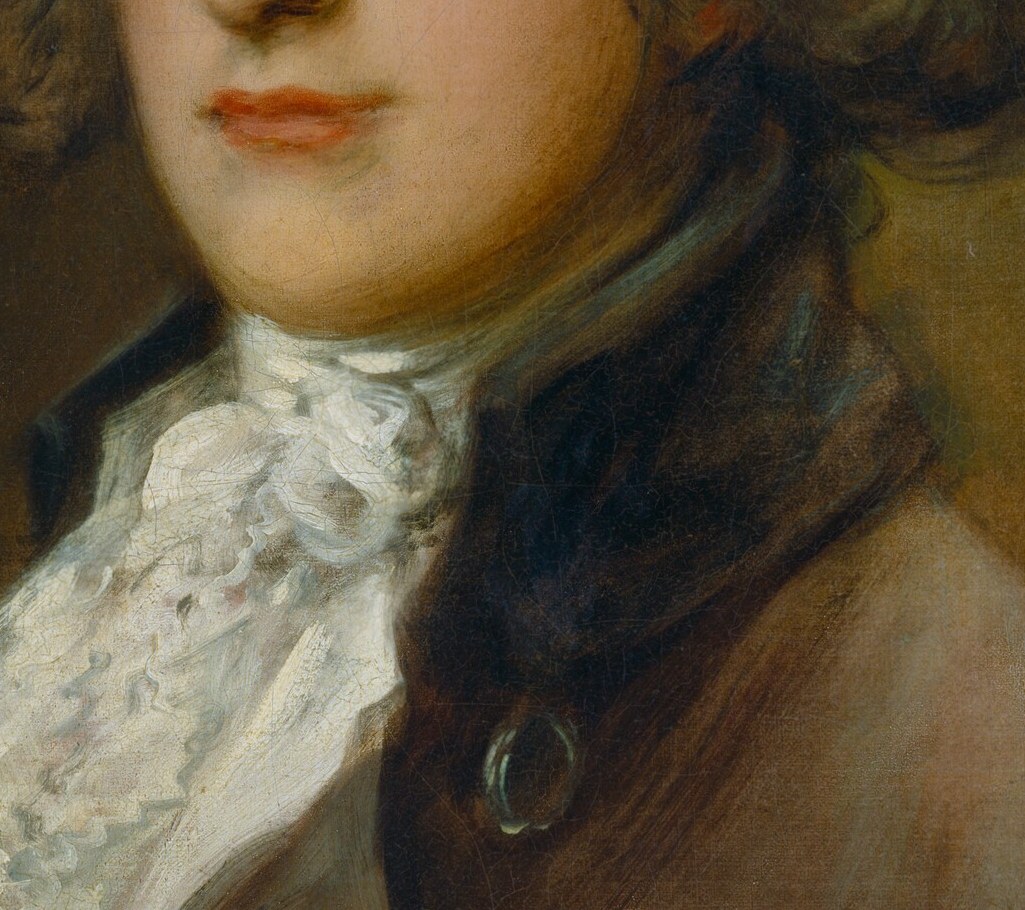
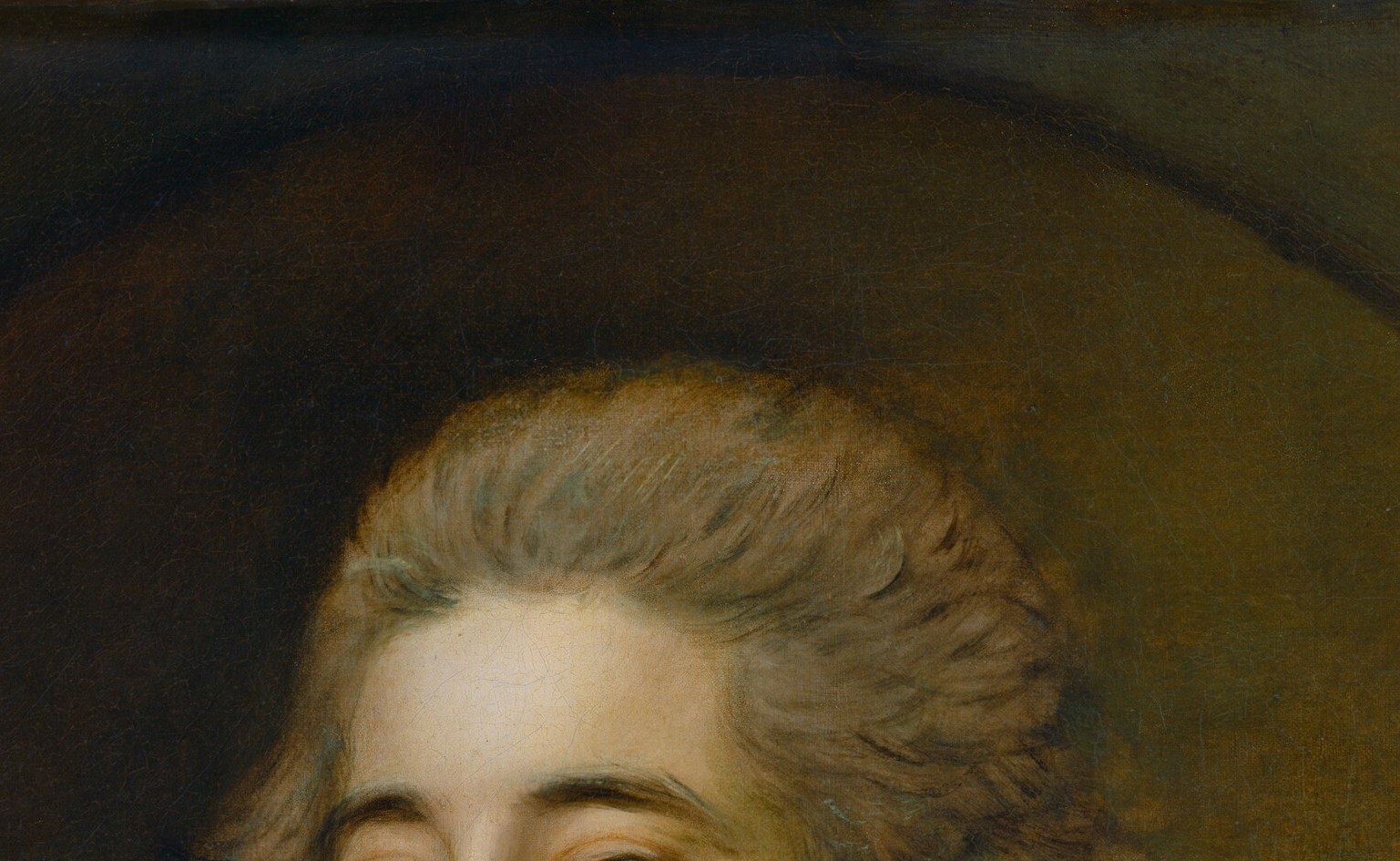
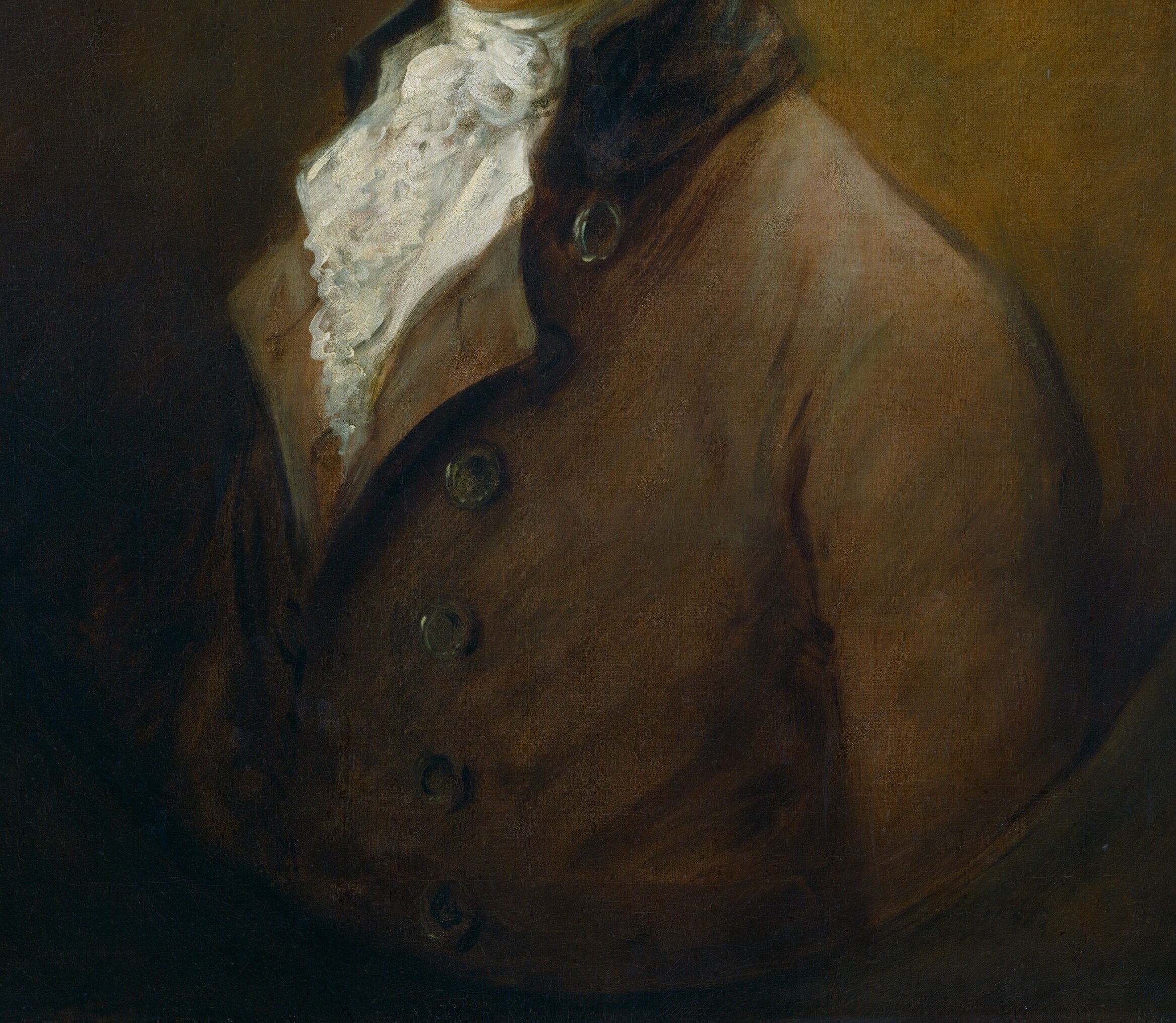
Gainsborough had about three years left when he painted it. He was already ill with the cancer that would kill him, and he knew it. There is no self-pity anywhere in this canvas. Instead there is an almost startling economy: the lace cravat is a flurry of lead white dabs with hardly a single drawn line. The coat is warm brown pigment applied in fluid strokes that feel like they took about ninety seconds. The background dissolves the room into atmospheric darkness. Everything is fast, except the face.
The Earl's expression is the slowest, most deliberate thing here. Gainsborough was famous for catching genuine character rather than flattery, and what he caught in this man is a composed, guarded dignity. The eyes are alert, the mouth set with a slight downward resolve. He looks at you directly and tells you nothing. This is not coldness; it is the self-possession of a peer of the realm who has learned that faces are for public display.
John Bligh, 4th Earl of Darnley, was a politician and landowner. He commissioned this portrait as a document of his status, and he got exactly that: the books at the lower right signal learning and civic virtue, the dark velvet coat signals wealth, the unpowdered natural hair signals a fashionable 1780s modernity. But Gainsborough slipped something else in too. In the last portraits of his life, he stopped trying to charm. He painted the distance between one person and another. This man has everything. Gainsborough painted what that costs.
Details

Transcript
1785. Thomas Gainsborough has three years to live. He paints this man with a speed that feels like urgency. Dabs of white become cascading lace. Not a single precise line. His brushwork is loose everywhere but the face. The Earl gave no instructions. Gainsborough chose what to see. And what he saw was a man who would not be known.