Marine: The Waterspout by Gustave Courbet
Gustave Courbet, a leading figure of 19th-century French Realism, captured the raw, untamed power of nature in his 1870 painting, *Marine: The Waterspout*. Rejecting the idealized scenes of Romanticism, Courbet focused on observable subjects, bringing an unflinching honesty to his art.
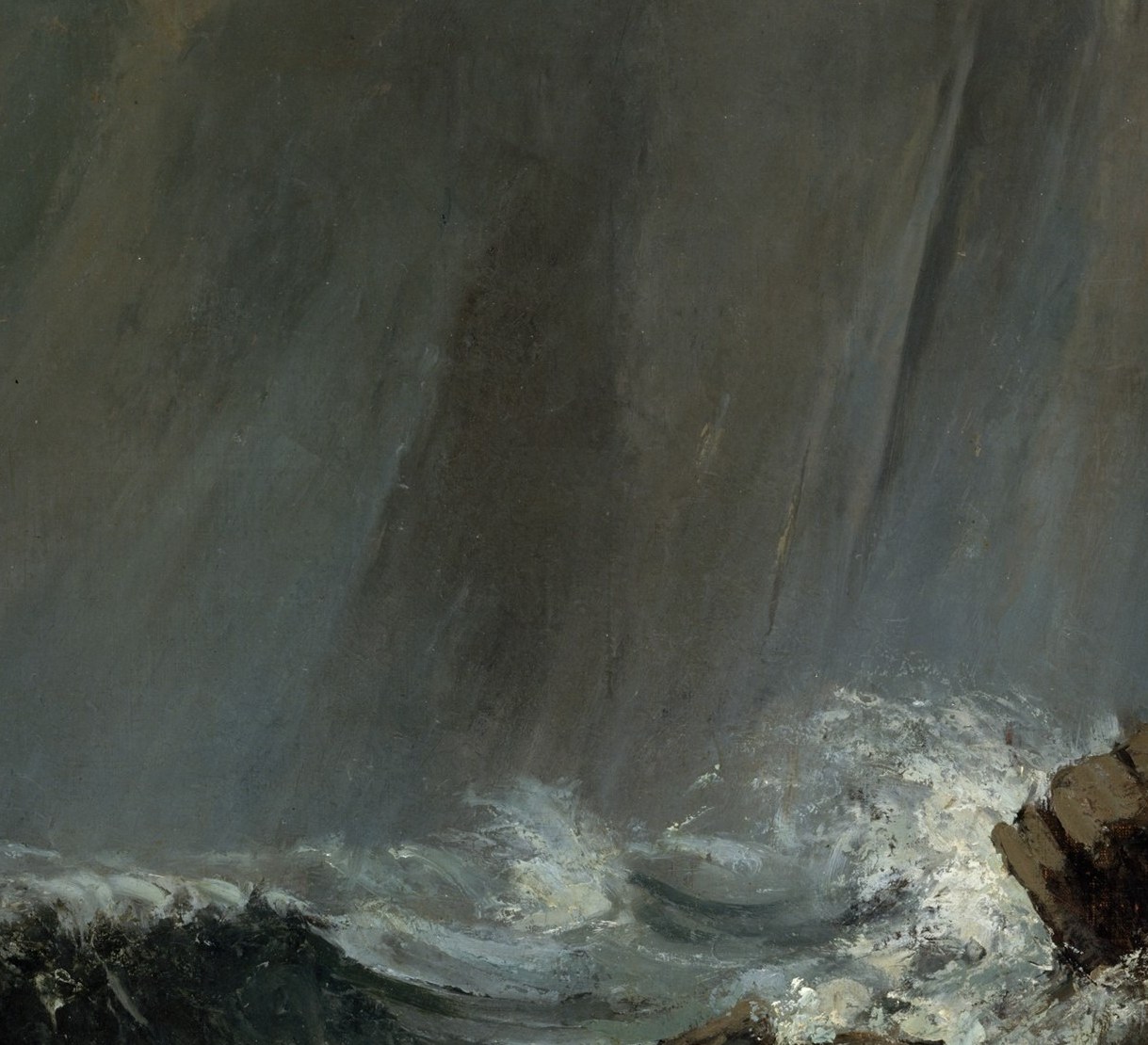
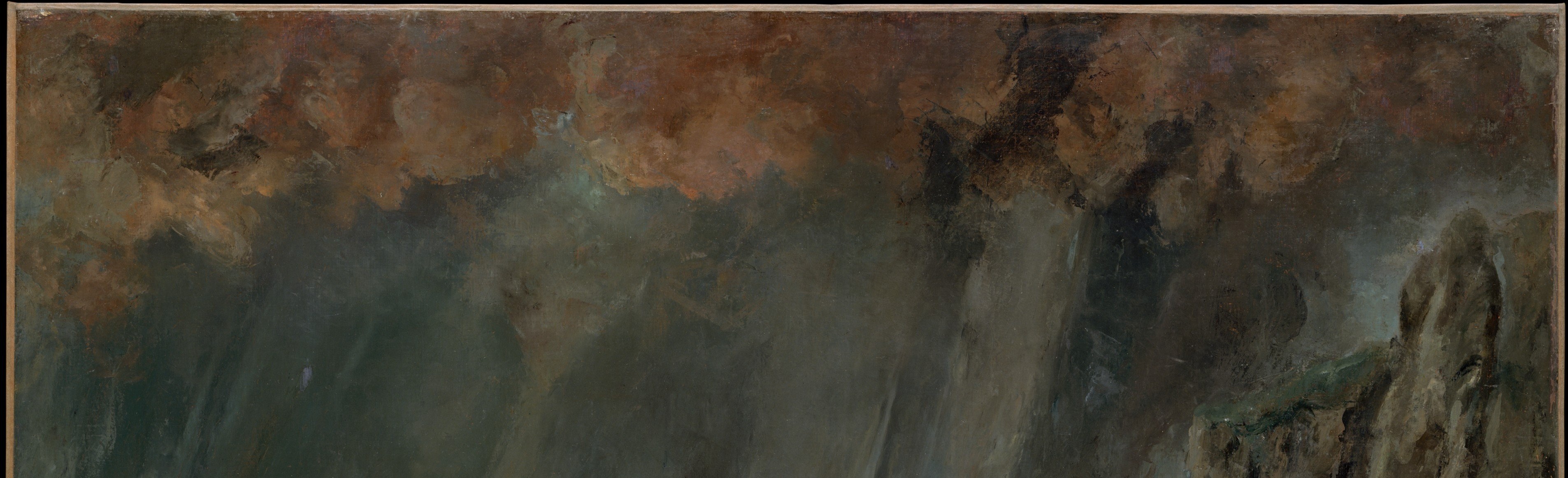
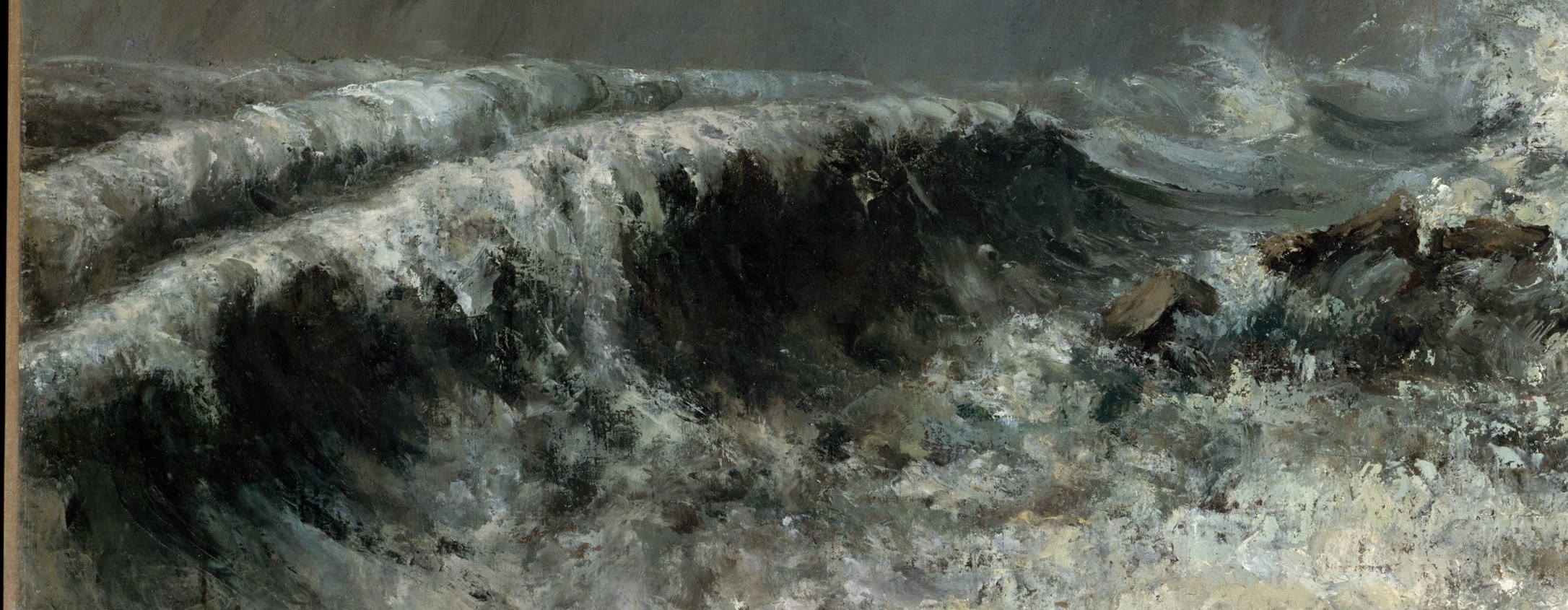
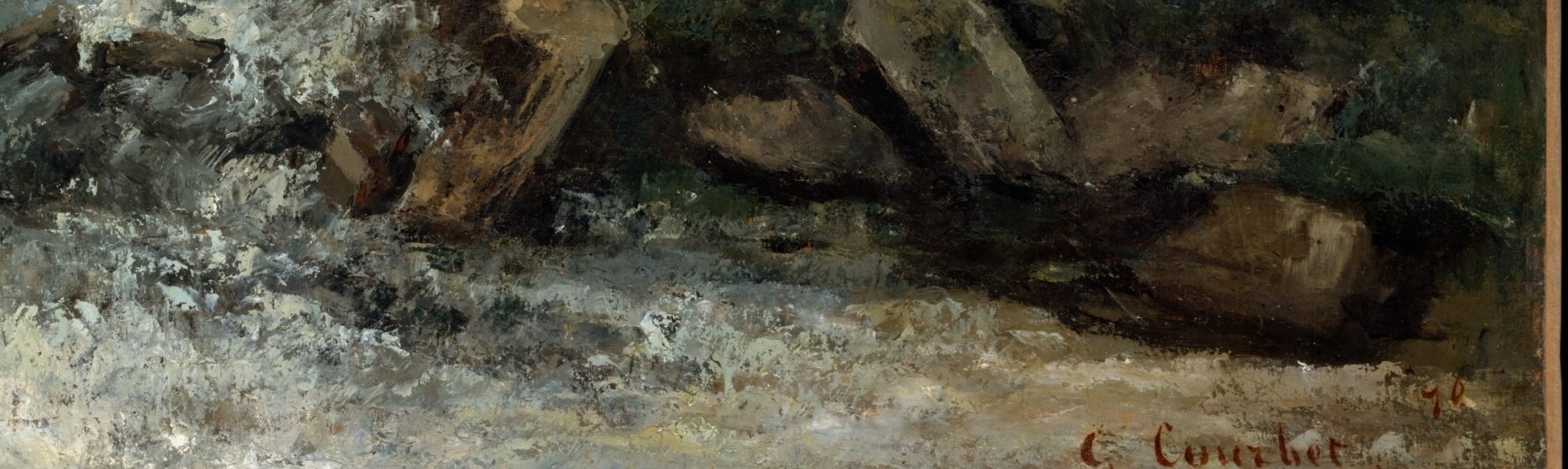
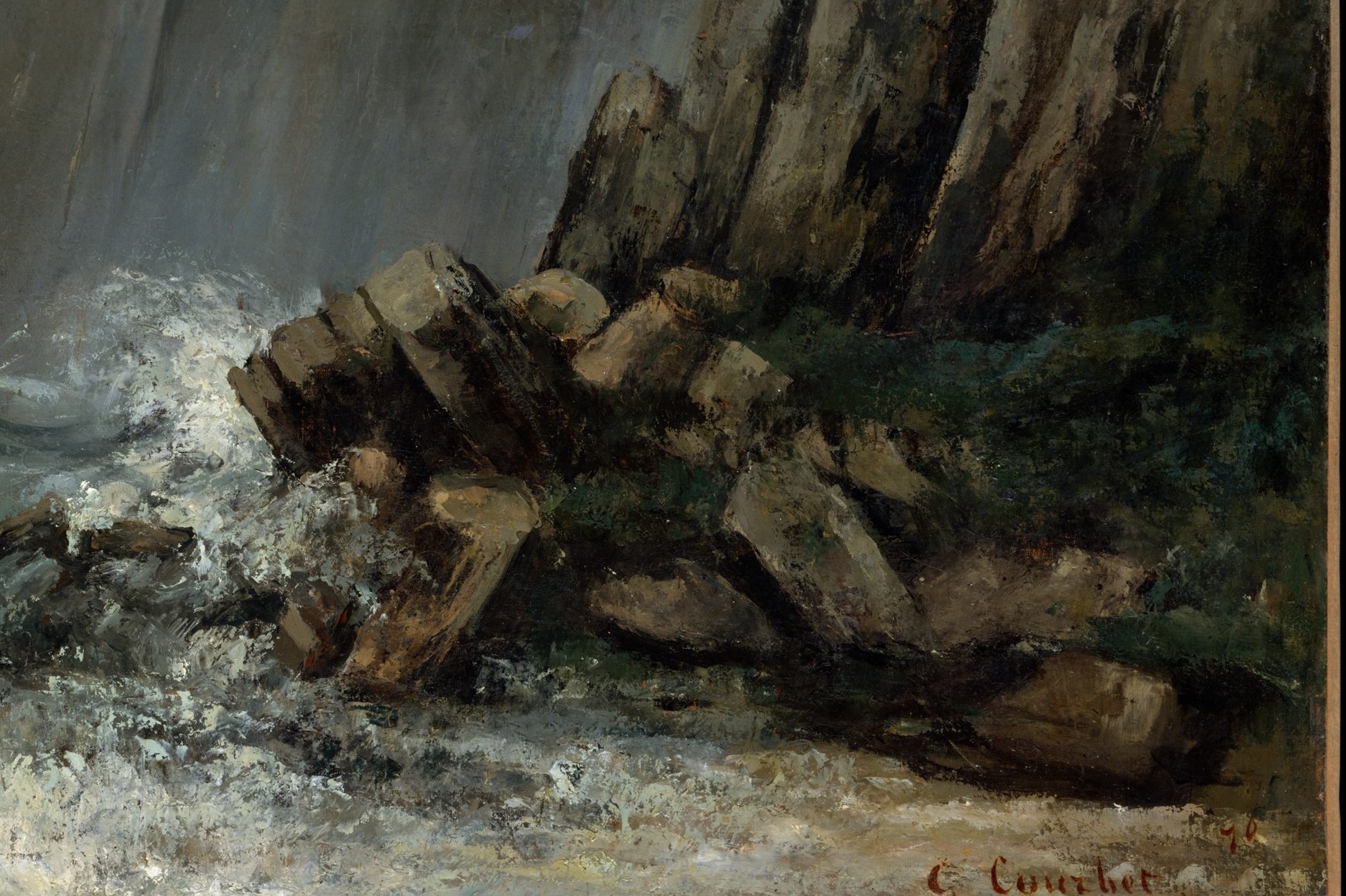
In this work, the turbulent waves and dark, rain-streaked clouds convey the immense force of the sea. Notice the thick impasto brushstrokes, especially in the frothing water around the rocky outcrop, which give the painting a tangible sense of movement and energy.
Courbet's commitment to depicting reality extended beyond his art; he was a social and political rebel. He was imprisoned in 1871 for his involvement with the Paris Commune and lived in exile until his death. His bold independence and innovative techniques significantly influenced later movements like Impressionism.
Courbet's work reminds us that art can be both a reflection of the world and a powerful statement about it. What does this painting make you feel about nature's power?
Details
Transcript
Gustave Courbet painted powerful storms, like this waterspout. He was a rebel, rejecting romantic ideals for raw reality. Look at the dark clouds, heavy with rain. Thick impasto brushstrokes make the turbulent waves feel real. This raw energy influenced later artists, like the Impressionists. He was imprisoned for his political actions, exiled after. His art, like his life, was unapologetically defiant.