The River by Maxime Maufra
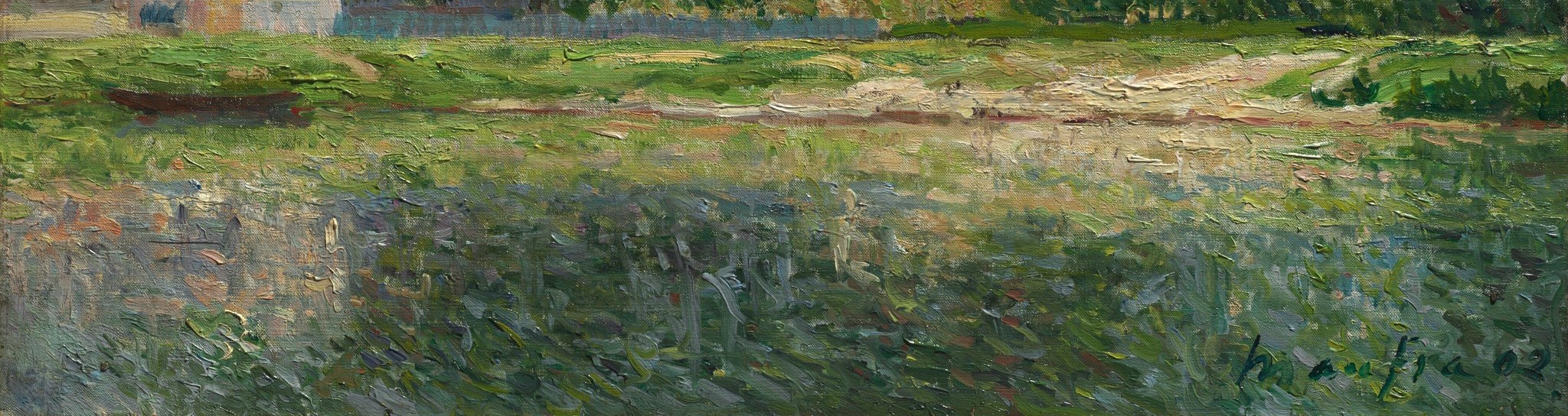
Maxime Maufra’s “The River,” painted in 1902, initially presents itself as a serene and timeless landscape. Held at The Cleveland Museum of Art, this oil painting invites viewers to appreciate its tranquil beauty and the artist's masterful use of impasto.
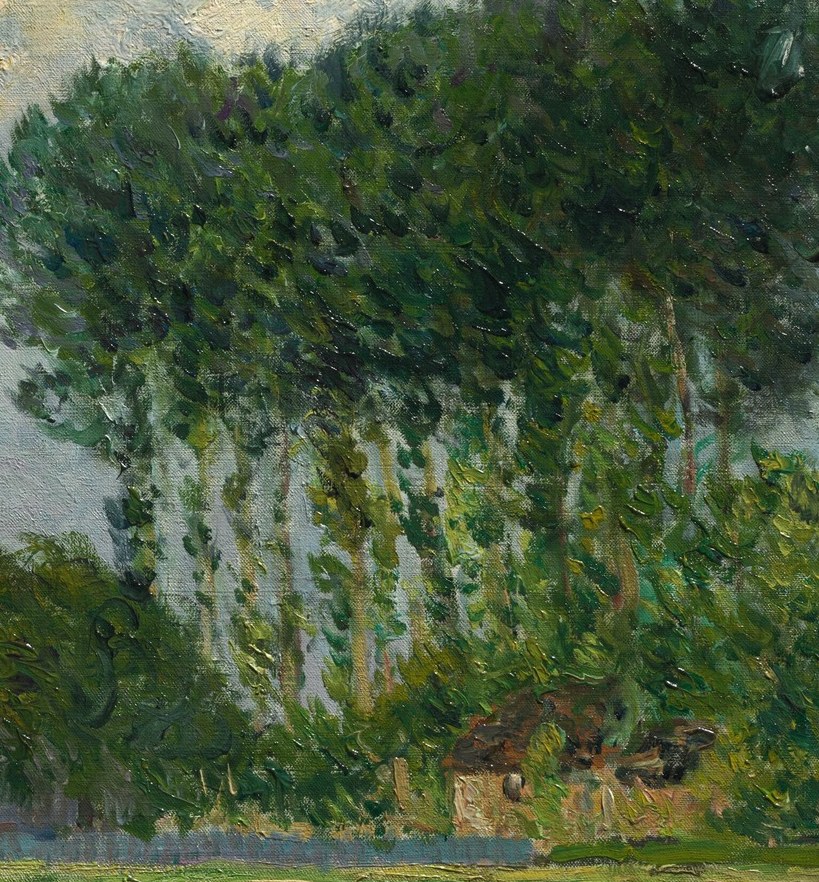
Notice the soft, almost muted palette that Maufra employs, bringing the river, trees, and sky into a harmonious balance. The visible brushstrokes give a tactile quality to the water and foliage, inviting a closer look.
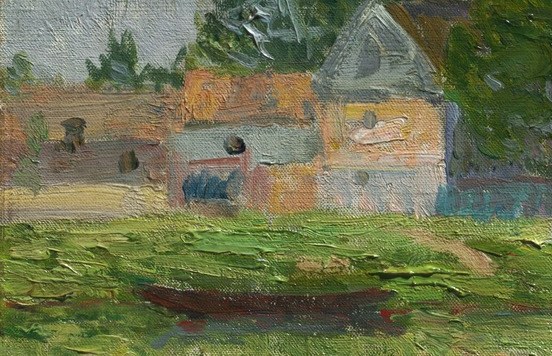
While the scene feels untouched, a small, dark boat nestled on the grassy bank reveals a subtle human presence, hinting at a story beyond the quiet natural setting. This detail, easily overlooked, adds a layer of narrative to the otherwise still tableau. Maufra, a French artist born in Nantes, was known for his evocative landscapes, often capturing the changing light and moods of the countryside.
What other small details in paintings have caught your eye and changed your perception of the scene?
Details

Transcript
This painting seems like a peaceful, simple river scene. The painter used thick, visible strokes for the water and trees. A small building peeks through the tall trees on the left bank. But look closely at the riverbank, hidden in the shade. There, a small, dark boat rests on the grassy bank. This tiny detail suggests a human story in the quiet landscape.