Penitent Magdalene by http://www.wikidata.org/.well-known/genid/9adee5636b370aa7a55aa96d8eb1ccee
Georges de La Tour's "Penitent Magdalene" (c. 1640) at the Metropolitan Museum of Art, reveals a surprising detail often missed.
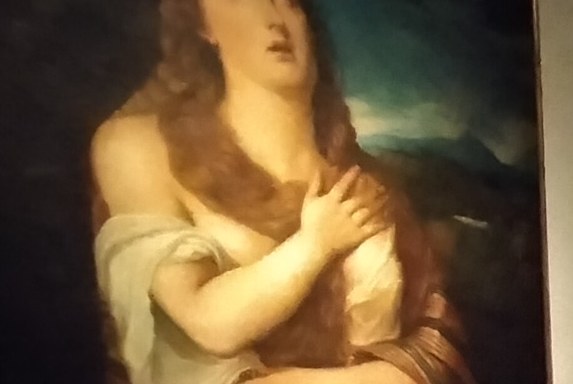
At first glance, the painting seems to place Mary Magdalene in a dark, almost cavernous space, devoted to solitary prayer. Her face and hands are dramatically lit by a single candle, emphasizing her profound introspection and repentance. The skull, a memento mori, reinforces this solemn mood.
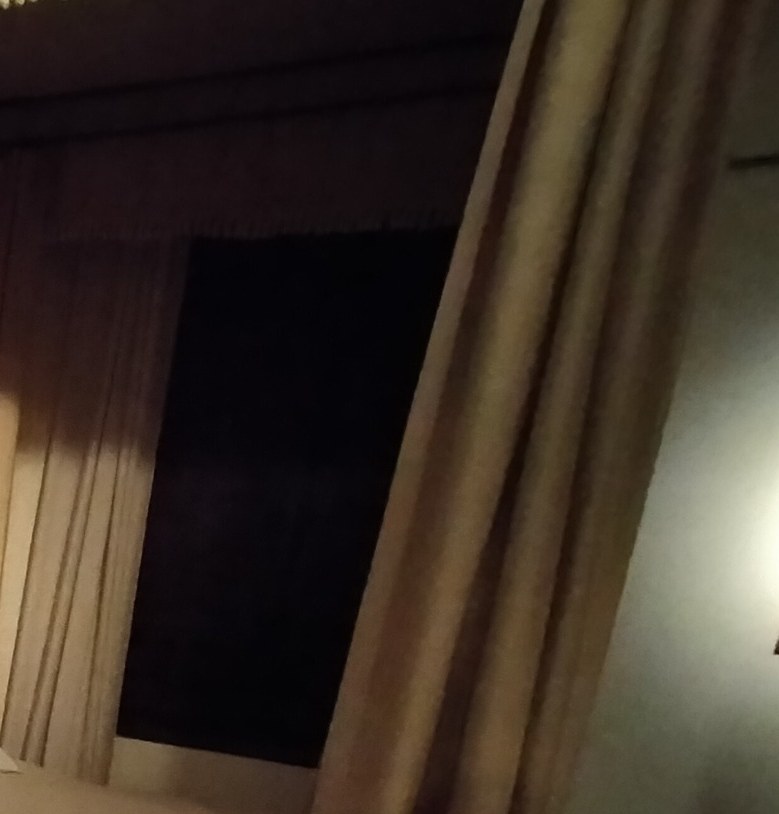
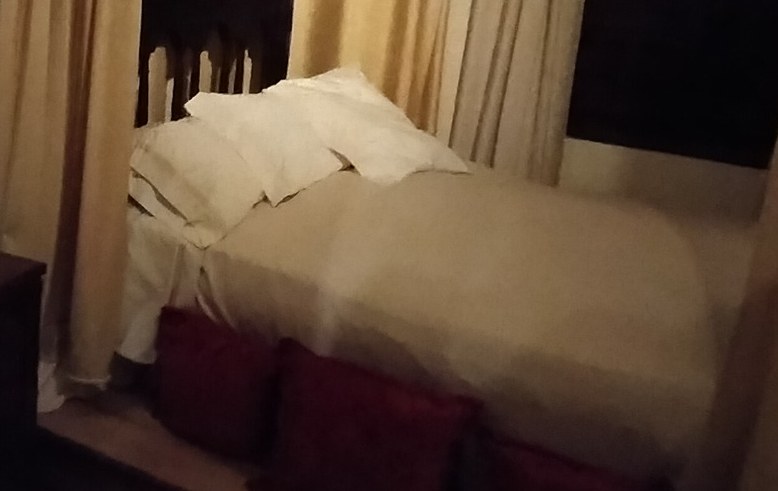
However, a closer look into the deep shadows of the upper right corner reveals the subtle outline of a canopy bed and its curtains. This detail transforms the setting from a bare cell into a more intimate, domestic interior, suggesting her quiet devotion takes place within her own home.
De La Tour masterfully uses chiaroscuro, the interplay of light and shadow, not just for dramatic effect, but to tell a deeper story about the Magdalene's private spiritual journey. It's a testament to how hidden details can change our understanding of a familiar work.
Details
Transcript
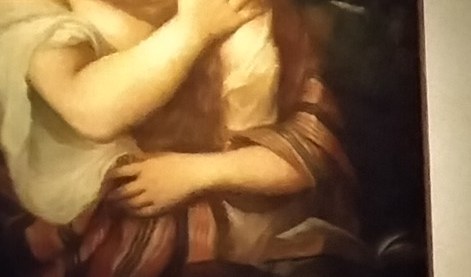
Mary Magdalene, deep in prayer. This painter used light and shadow to heighten emotion. Her hands, clasped in repentance, catch the light. A single candle flickers, illuminating the scene. But look closely, hidden in the deepest shadow. There, the canopy of a large bed emerges. It's a domestic interior, not a solitary cave.