Portrait of a Young Man by Biagio d'Antonio
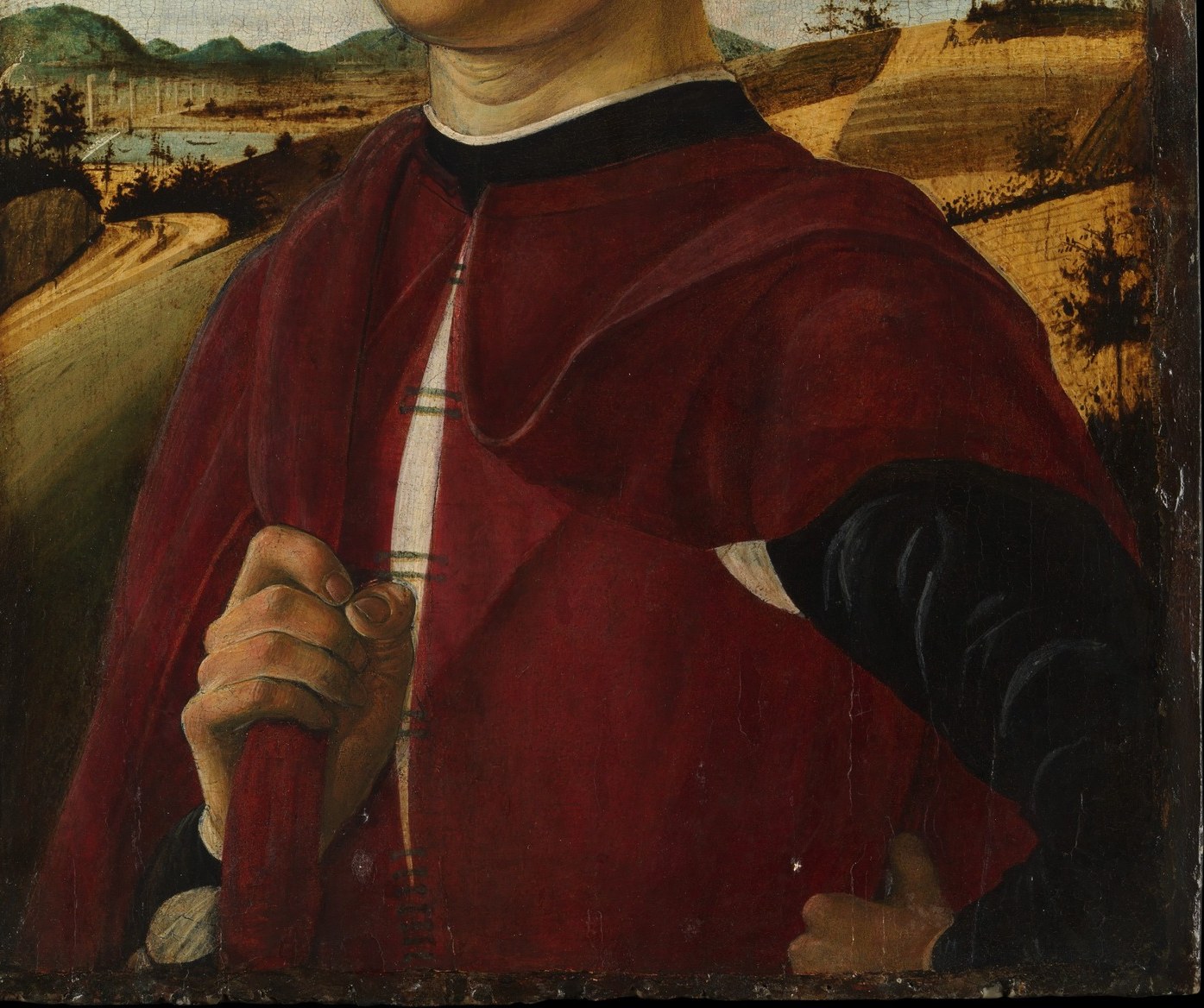
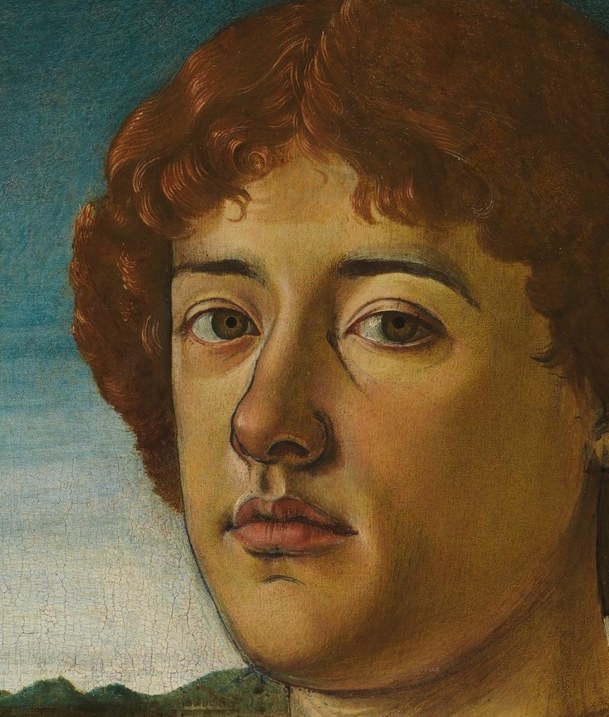
Biagio d'Antonio's "Portrait of a Young Man" (c. 1470) at The Metropolitan Museum of Art is more than just a likeness; it's a subtle visual message. Renaissance portraits often contained coded symbols to reveal the sitter's identity, status, or aspirations.
Observe the young man's rich red robe, indicative of wealth and social standing. The key, however, lies in the serene landscape behind him. The solitary tree, specifically, points to a distinguished Florentine family.
This specific symbol, a lone tree set against a distant town, is believed to be a visual pun on the name Alberti, one of Florence's most prominent banking families. This portrait subtly announces the sitter's lineage and connection to this influential dynasty.
What other hidden meanings might be encoded in works from this period? This painting reminds us that art often speaks in more than one language.
Details
Transcript
This young man has a clear message for us. His red robe suggests a wealthy Florentine citizen. But the landscape behind him tells us more. A lone tree against a town: it's a specific family symbol. The tree is the family name: Alberti. He is likely an Alberti, from a powerful Florentine banking family.