Ulrich Fugger (1490–1525) by Hans Maler zu Schwaz
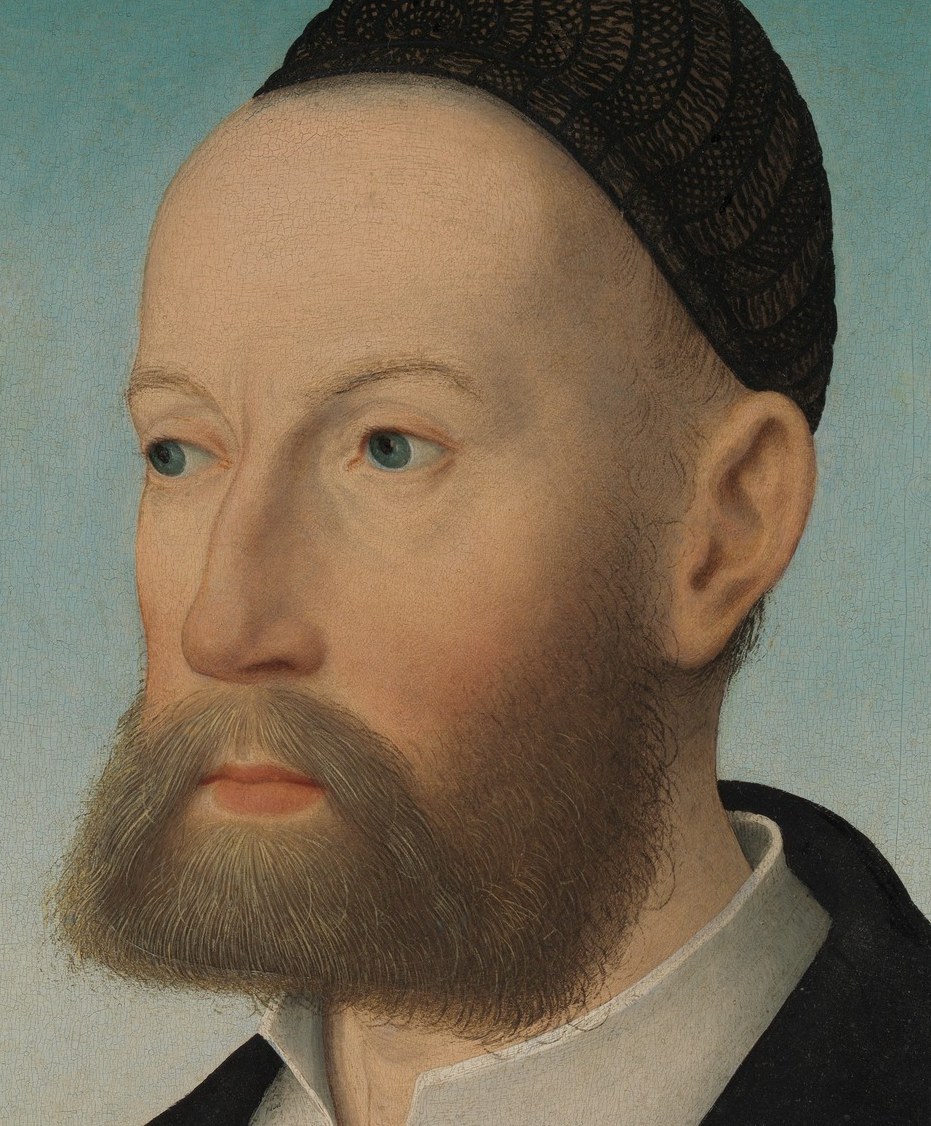
This is Ulrich Fugger the Younger, painted by Hans Maler zu Schwaz in 1525. It hangs at The Metropolitan Museum of Art.
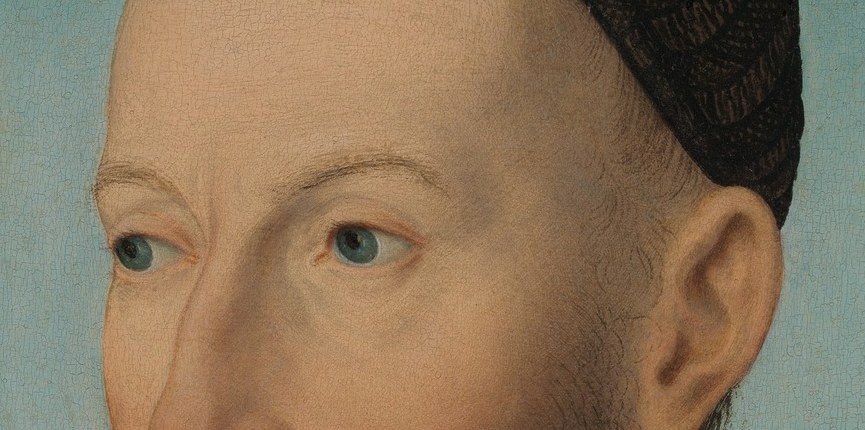
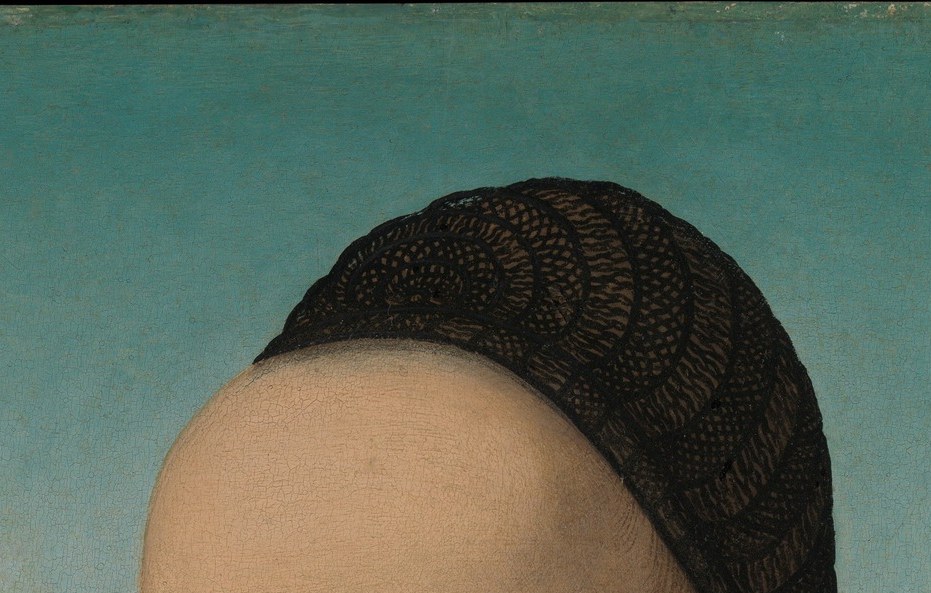
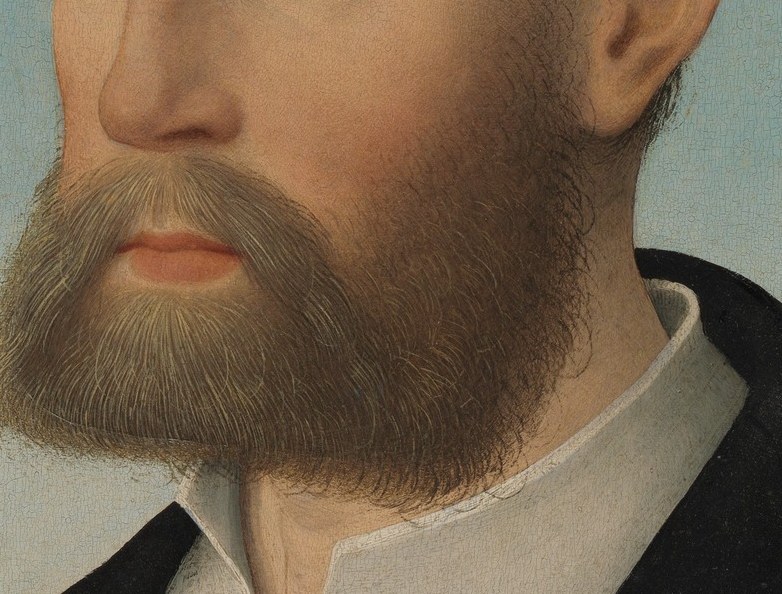
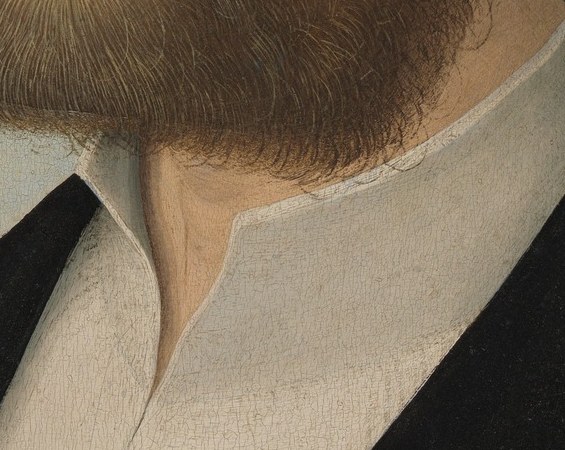
The directness of the stare is the whole point. Maler was a specialist in the bust portrait, and his patrons didn't want flattery or allegory. They paid for self-possession rendered without softening. The black cap sits low, the collar is crisp, the beard is painted hair by hair, and the hands are hidden to push everything up to that unblinking face. The slight asymmetry in the cheekbones and the specificity of the nose are the artist's contract with the truth.
1525 was a terrifying year for the Fugger family. The Habsburg emperors they had bankrolled owed them sums that threatened to bring the whole house down. Ulrich sat for this portrait in the middle of a financial crisis that almost ended the dynasty. Maler painted the confidence, not the anxiety.
Northern Renaissance portraiture often gets called sober or severe. But here the severity is the message: a man insisting, in paint, that his position will hold.
Details
Transcript
In 1525, a German painter recorded this man. His name was Ulrich Fugger the Younger. He holds your eye with no warmth and no apology. That flat black cap was the uniform of merchant power. The painter hid Ulrich's hands, so nothing distracts from the face. He painted every strand of the beard as a proof of his own skill. But the year this was painted, the Fugger fortune very nearly collapsed. The Habsburgs owed them a fortune and could not pay.