Madonna and Child by http://www.wikidata.org/.well-known/genid/d5a284f5d73905b4f045706fb0be3ebe
In Andrea Mantegna's "Madonna and Child" from around 1470, housed in the Metropolitan Museum of Art, a fascinating technique reveals itself: the artist blends two distinct painting philosophies.
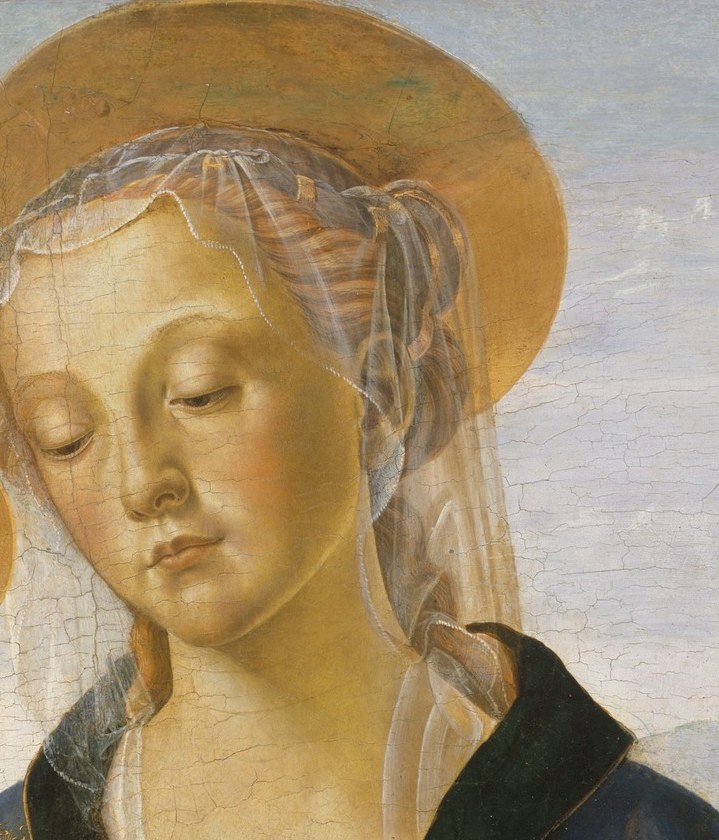
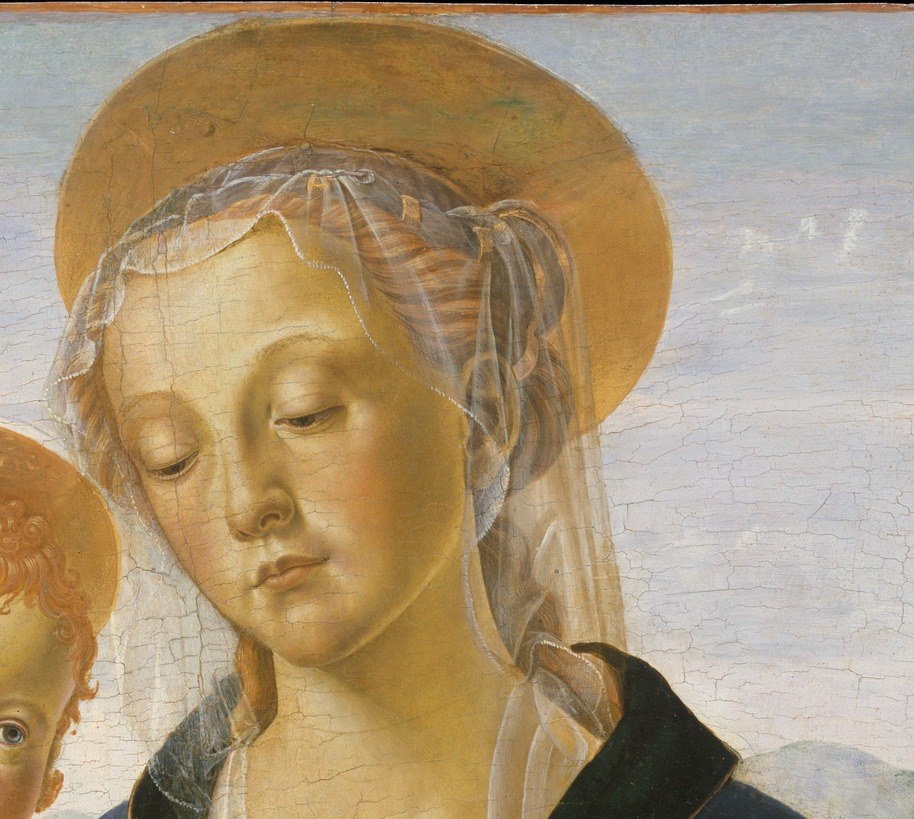
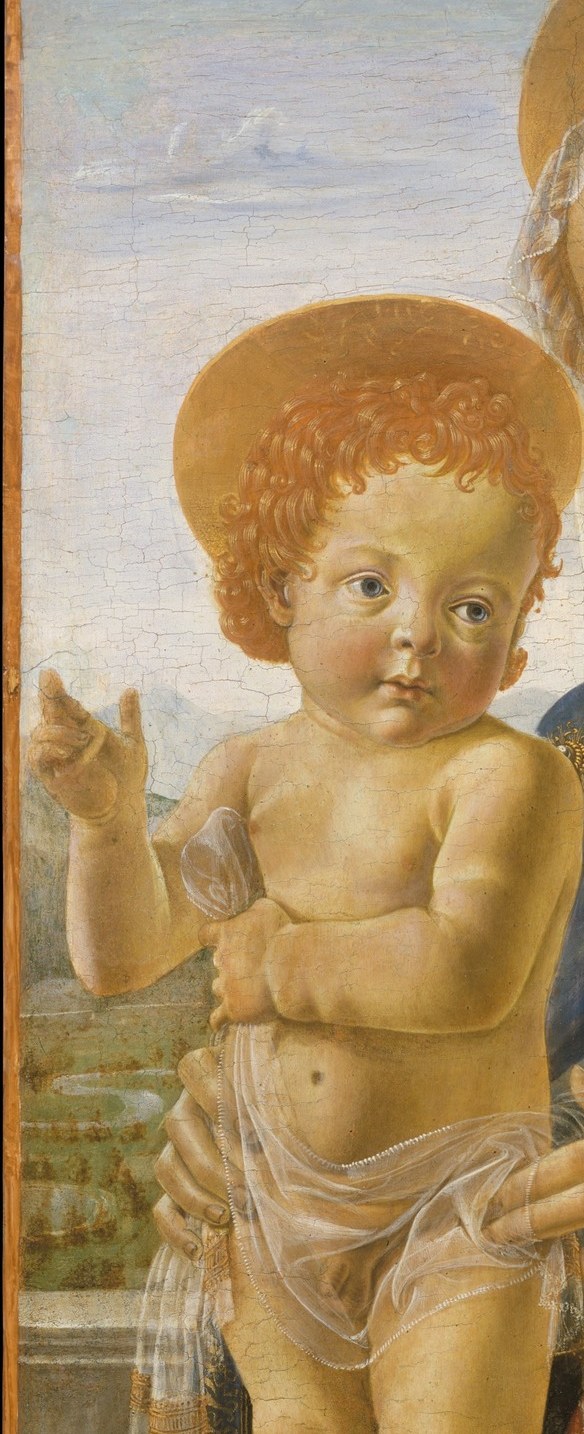
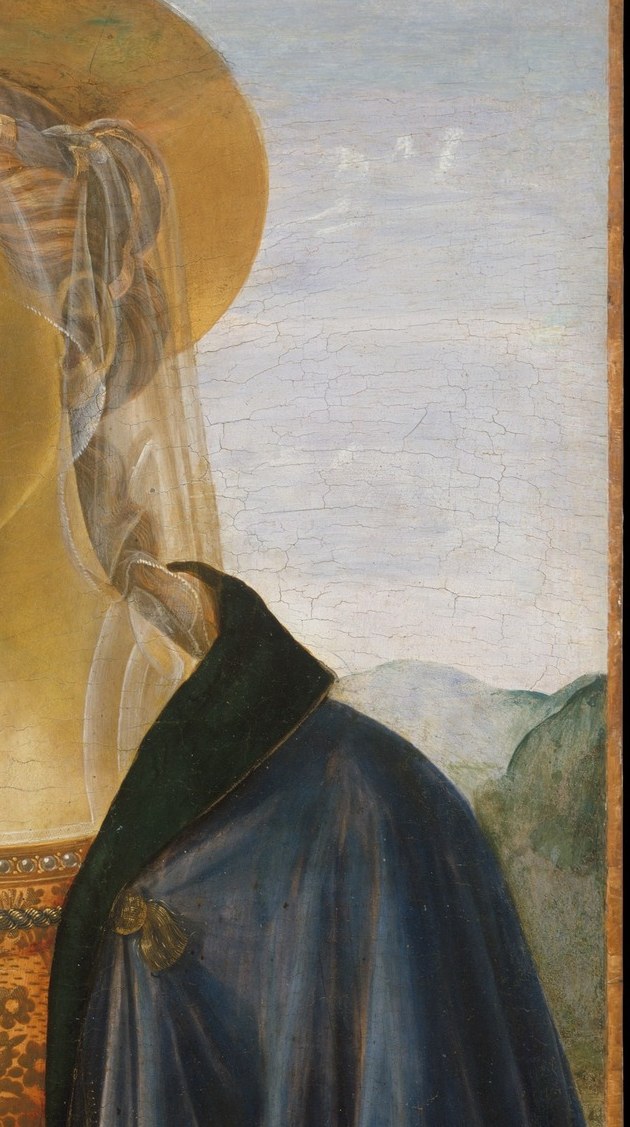
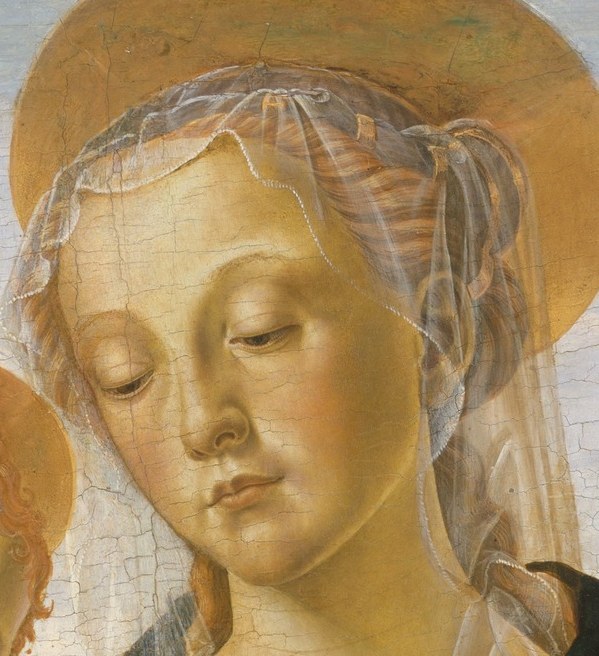
Notice the Virgin Mary's face and veil. Mantegna uses crisp, defined lines to make his figures stand out, a popular approach in 15th-century Italy. However, observe the landscape behind her, it's rendered with soft, blended colors, creating a sense of atmospheric depth.
This clever combination, almost a trick of the eye, makes the sacred figures appear to emerge from the background, giving them a striking sense of three-dimensionality and presence. It's a testament to Mantegna's innovation in bringing together different artistic traditions.
Details
Transcript
In the 1470s, painters wanted figures to pop. This painter used crisp lines to define his figures. Look at the sharp edge of her veil against the sky. But the landscape behind her is painted differently. He created soft, blending colors for atmosphere and depth. This trick makes the sacred figures seem more real.