The Banks of the Bièvre near Bicêtre by Henri Rousseau
This is Henri Rousseau's The Banks of the Bièvre near Bicêtre (1908), housed at the Metropolitan Museum of Art. Rousseau, known as Le Douanier, was a self-taught master who created surprisingly tangible textures in his oil paintings.
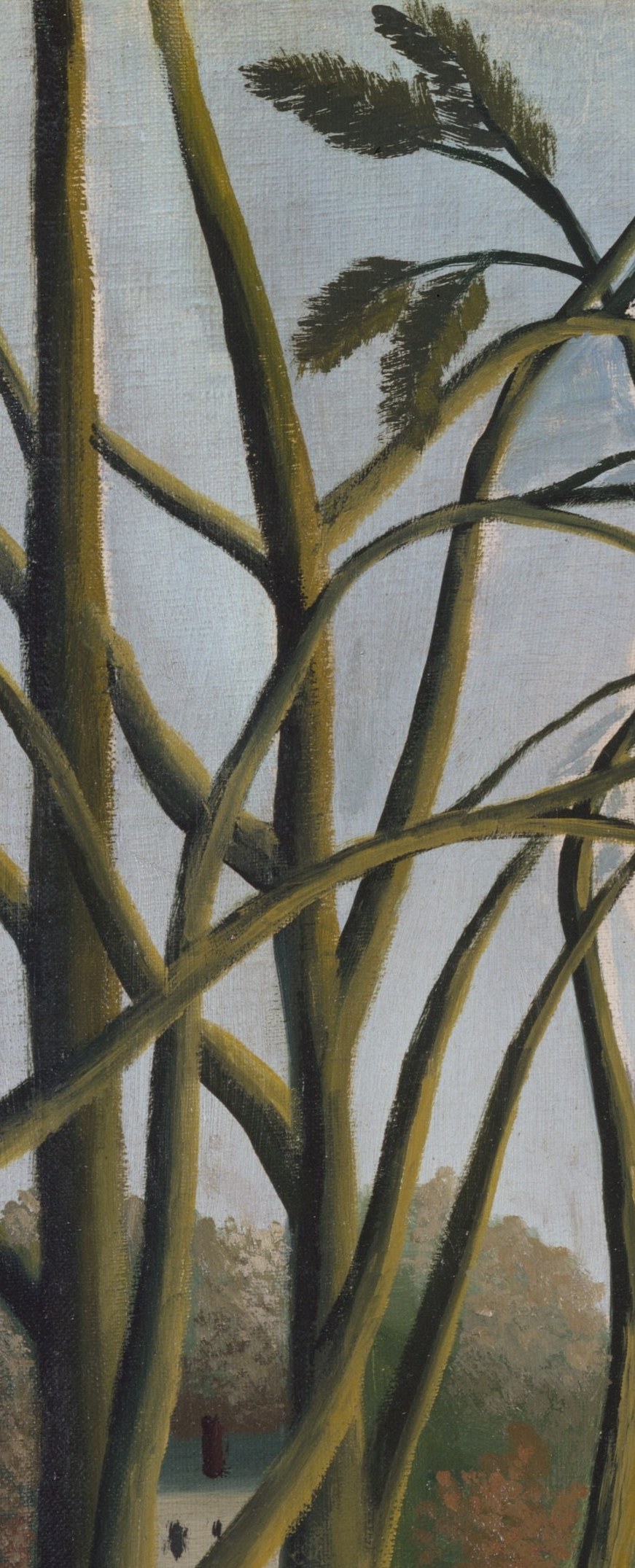
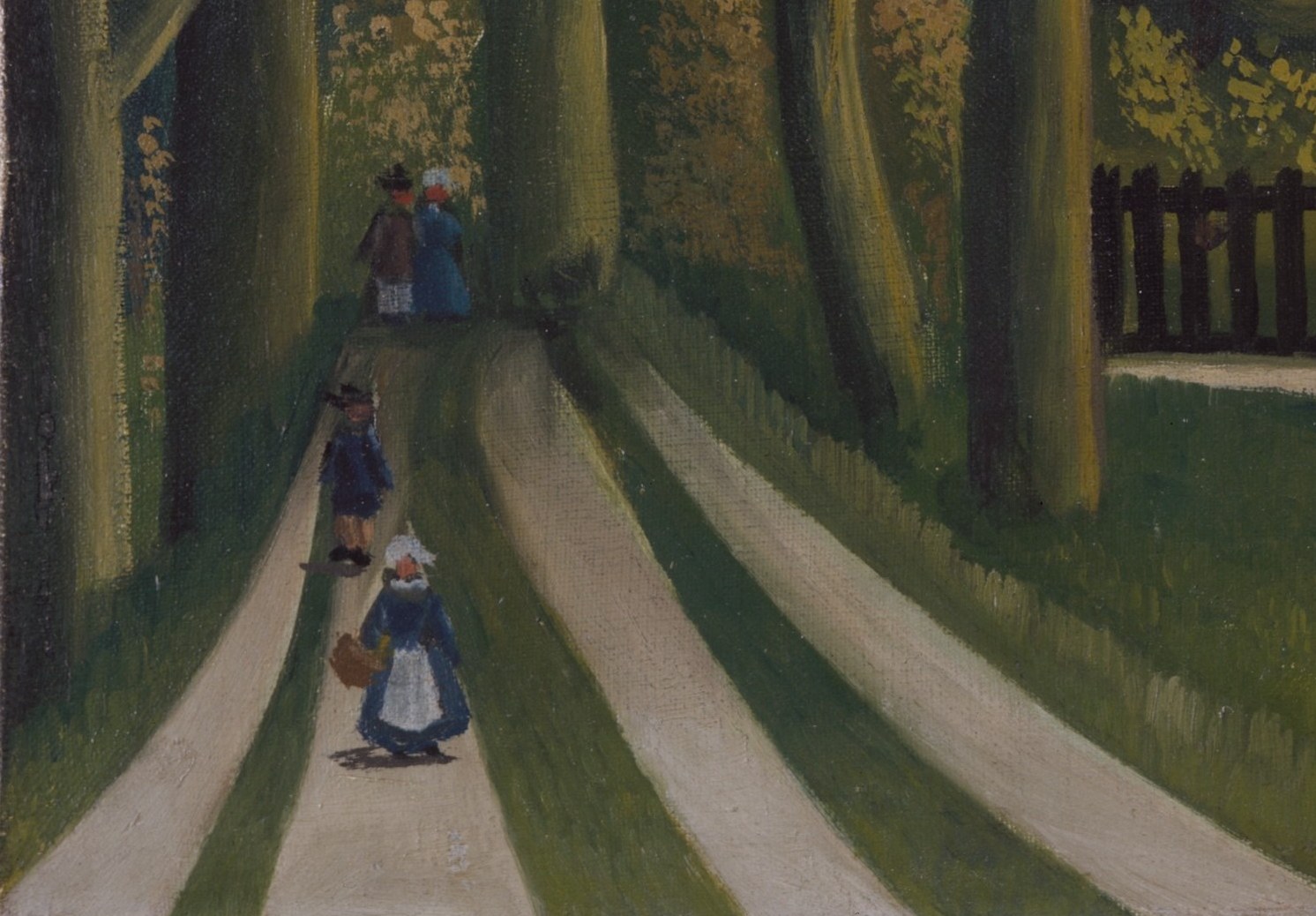
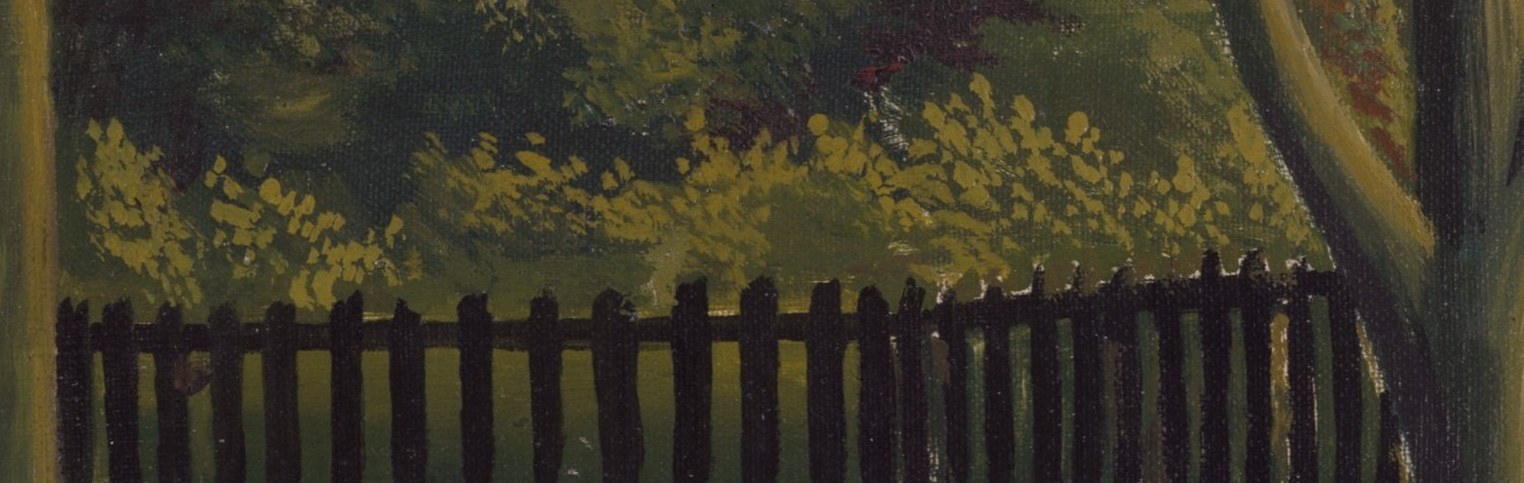
Notice the gnarled tree trunks in the foreground. Rousseau’s thick application of paint here creates a rough, almost sculpted surface, making the bark feel undeniably real. Observe how the light catches the winding path, giving the impression of dusty, solid ground despite the flat canvas.
Rousseau, a retired customs officer, began painting seriously in his forties. His distinctive 'naïve' style, though initially ridiculed, has come to be recognized for its unique expressive power and technical ingenuity.
He made the unreal seem palpable through his deliberate, layered approach to paint.
Details
Transcript
This painter saw flat areas. Then made them bulge. Look at the bark. It feels like rough, dry wood. He used thick paint to make this tree trunk. See how light hits the path like real dust? The bright path feels solid, not just flat. He applied paint in short, choppy strokes. This makes the light and shadow seem alive.