Dancers Backstage by Degas, Edgar
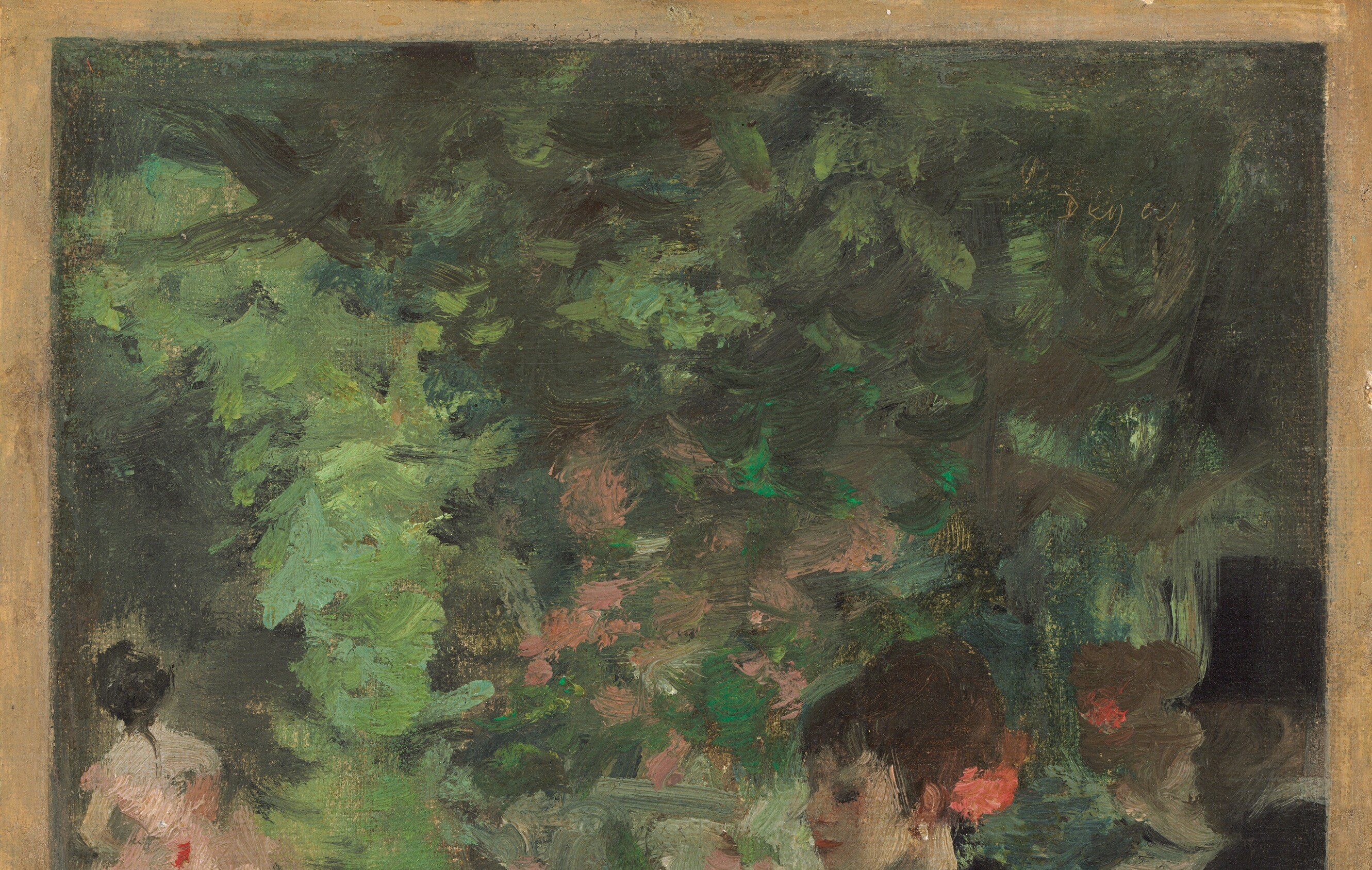
Edgar Degas, a master of capturing the human element, created "Dancers Backstage" between 1876 and 1883. This oil on canvas, housed in a public museum, offers a glimpse into the private world of ballet dancers, a subject that fascinated Degas throughout his career.
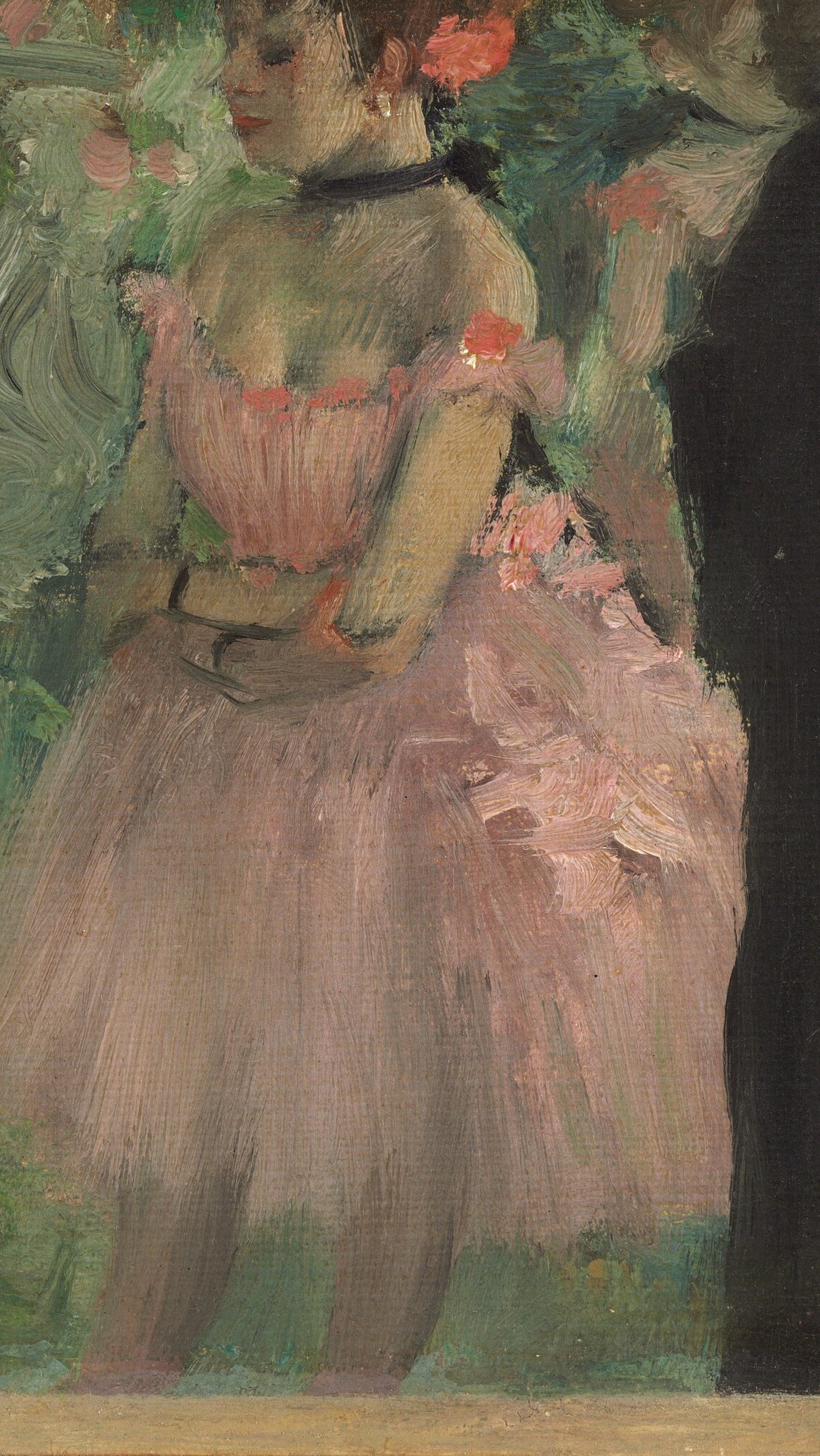
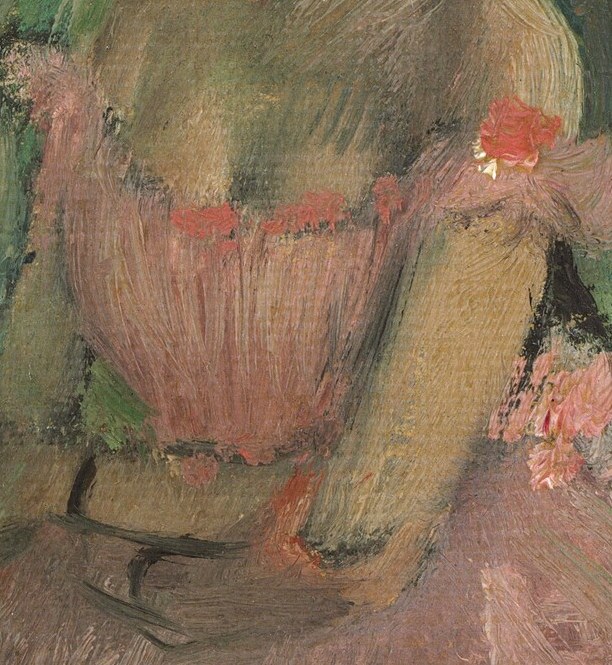
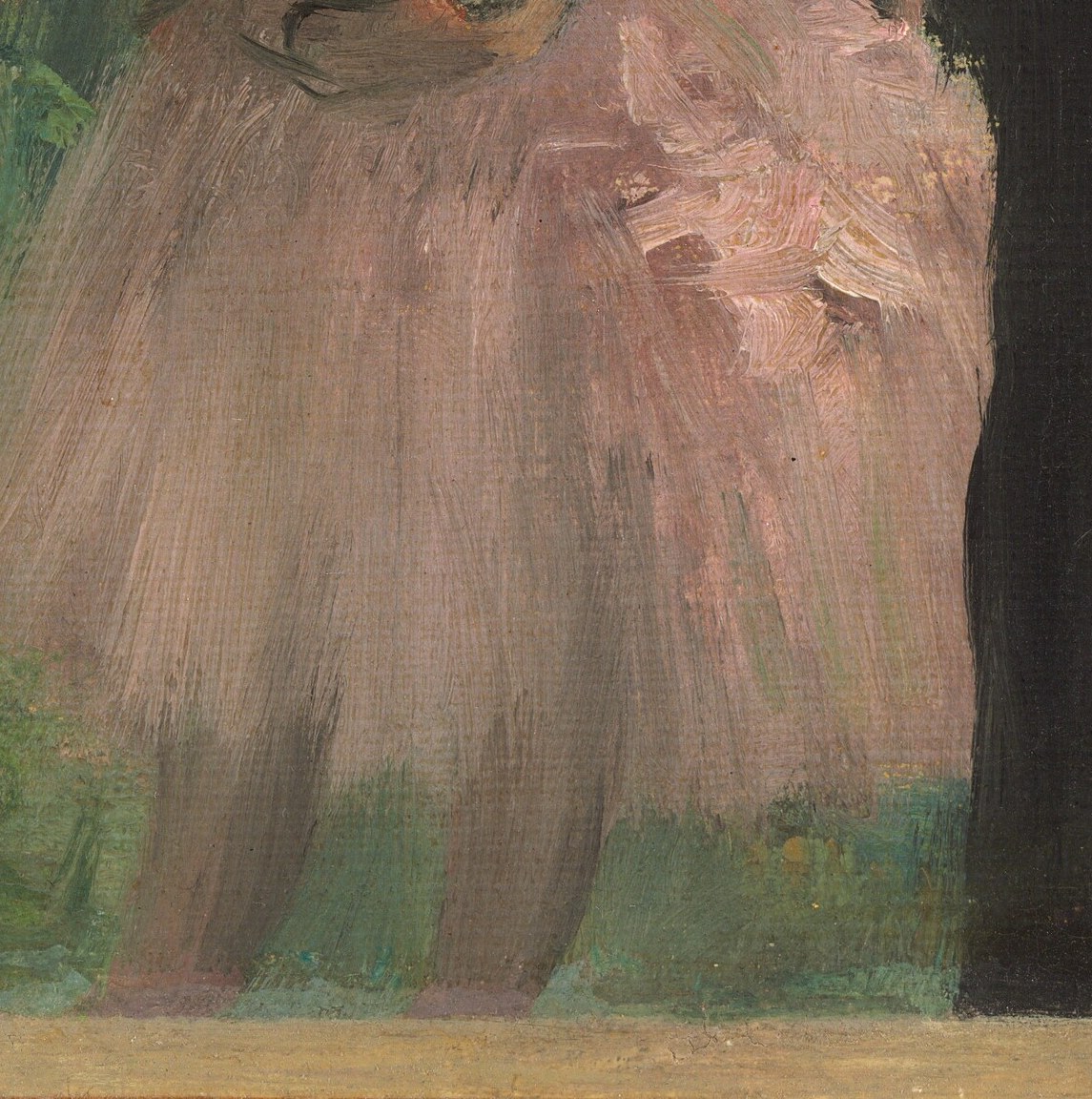
Look closely at the dancer in the pink skirt. Her folded arms and the way she holds her fan suggest a moment of quiet rest, a pause from the demanding performance. Even the visible brushstrokes on her skirt convey a sense of motion and the physicality of her art.
Though often associated with Impressionism, Degas preferred to be called a realist. He distinguished himself by working indoors, focusing on candid, unposed moments rather than the staged performances. More than half of his oeuvre features dancers, highlighting his dedication to portraying their lives with authenticity.
Degas invites us to see the effort and humanity behind the dazzling spectacle, making us wonder about the lives of these performers off-stage.
Details
Transcript
This painter captured a world of grace and beauty. But he also showed the quiet moments of weary dancers. She rests her folded arms, holding a fan, backstage. Over half of his works depict dancers, often off-stage. The loose brushstrokes capture the movement of her skirt. He found realism in the labor behind the spectacle.