Self-Portrait by Gogh, Vincent van
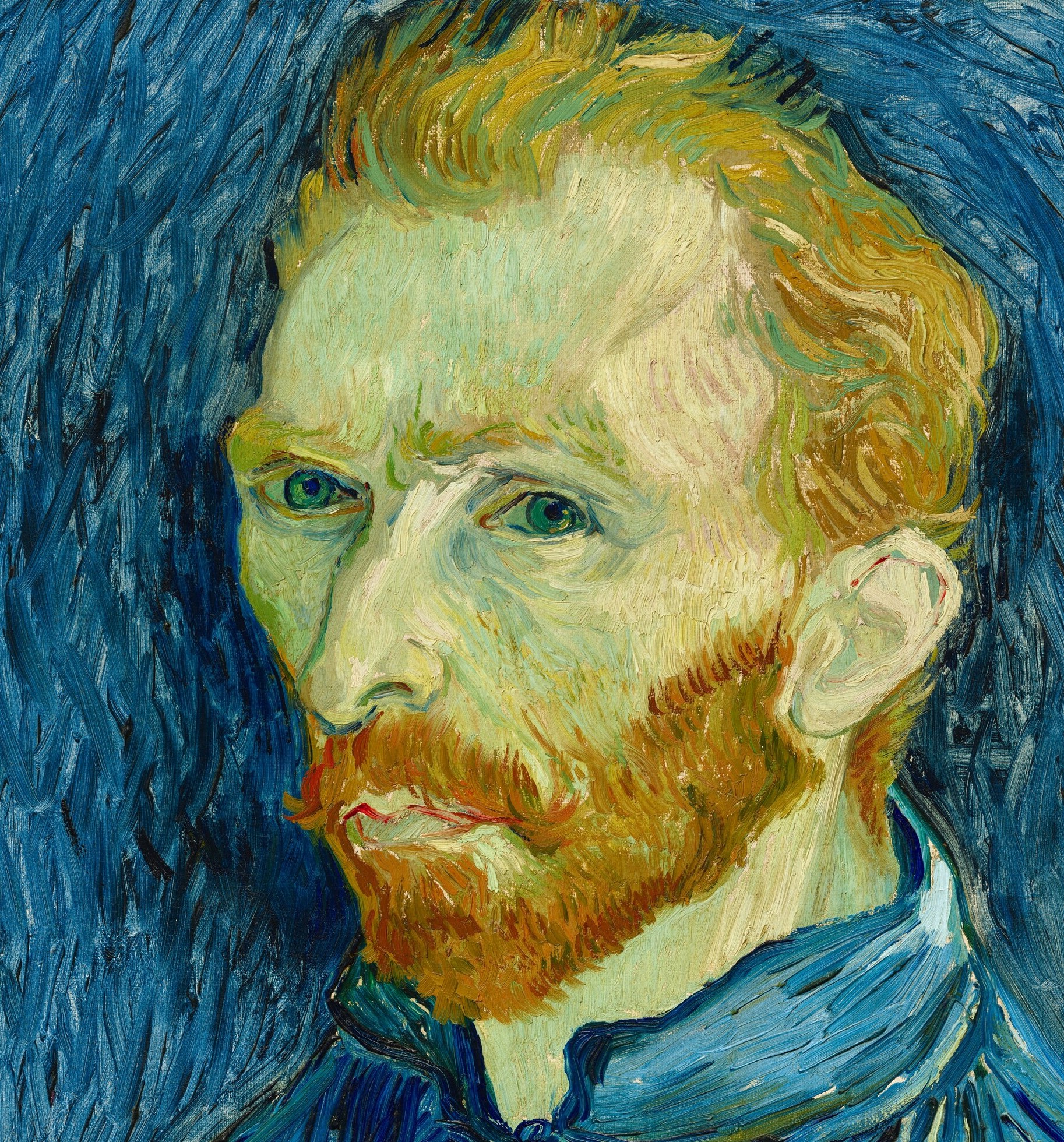
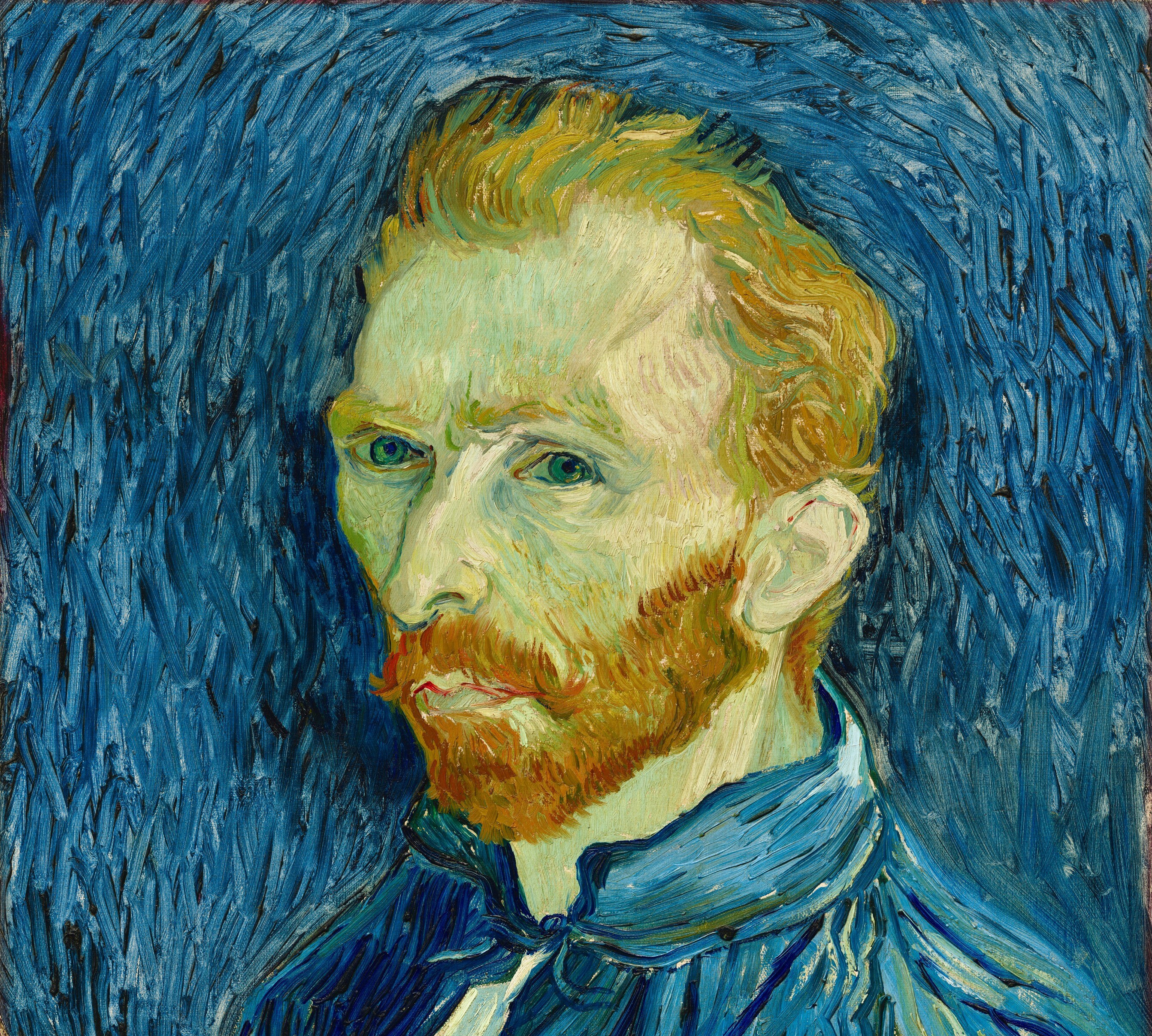
Vincent van Gogh painted this self-portrait in September 1889, while he was a patient at the asylum of Saint-Rémy-de-Provence. It is often called his last self-portrait, and it now hangs in the Musée d'Orsay in Paris. He made it not with a mirror alone but with the full, unsparing force of his own psychological state.
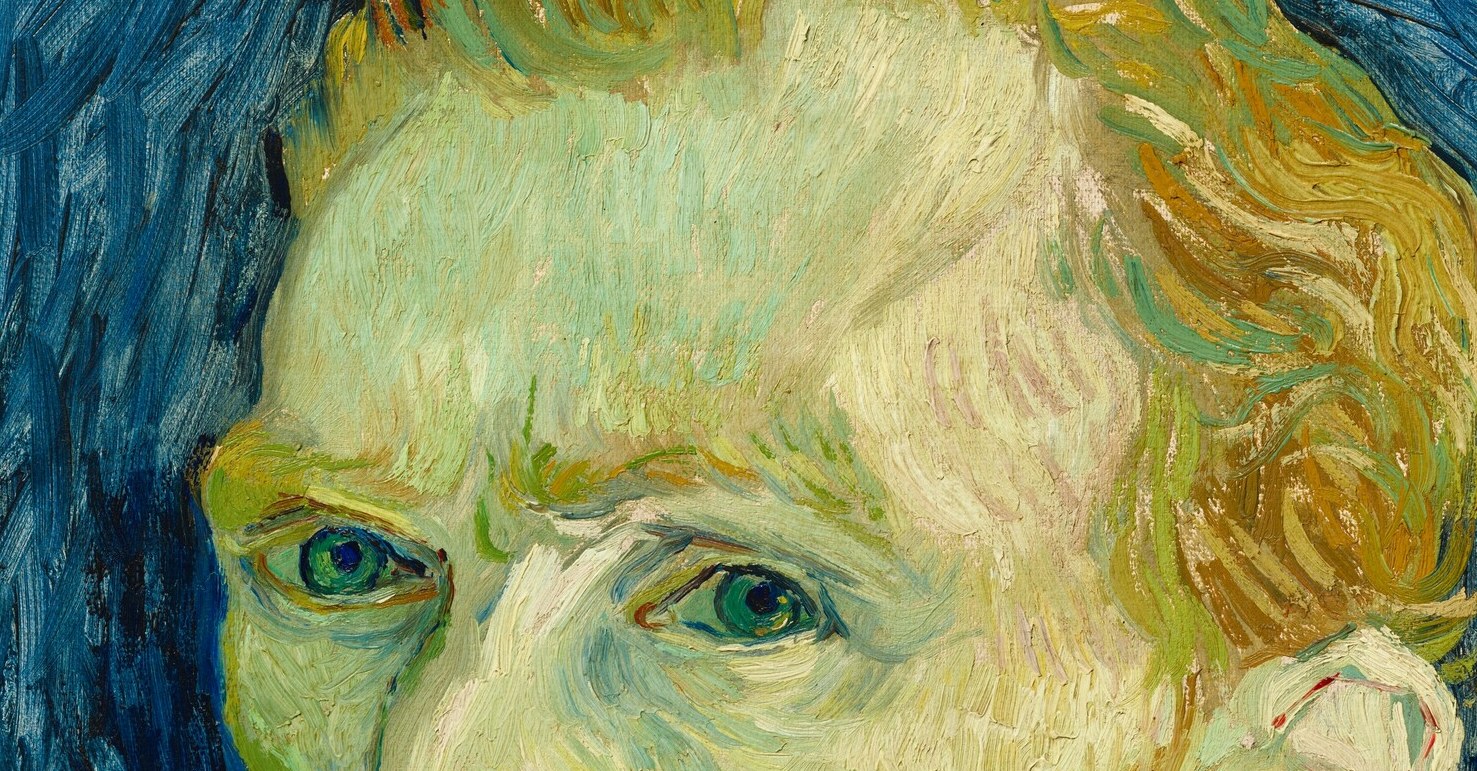
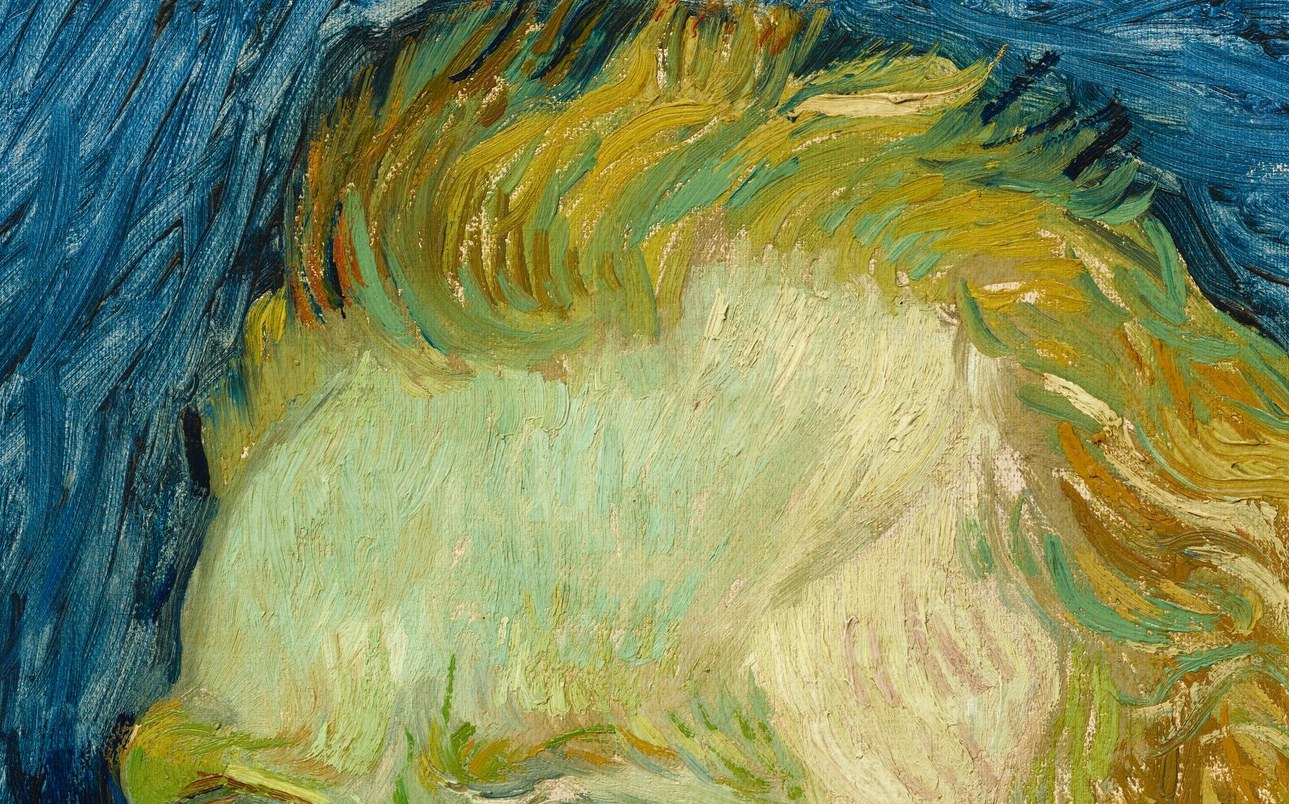
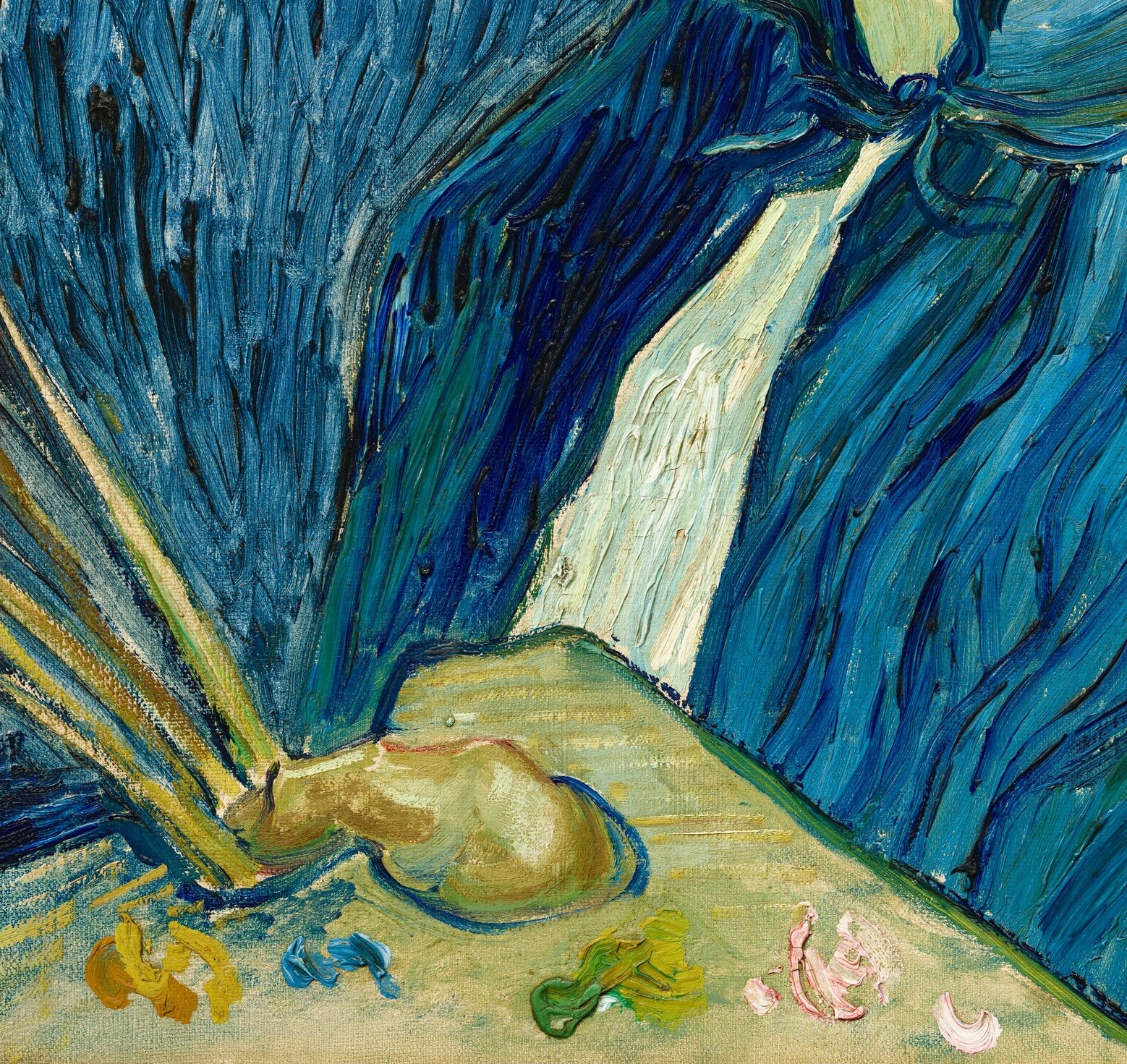
Let your eye go straight to his. The stare is not neutral, it pulls you in precisely because it is asymmetrical. The left eye is more deeply set, more shadowed, than the right. That asymmetry gives the whole face an unsettling, searching quality. Now look at the surface itself: the forehead is built from impasto so thick that the ridges of paint cast their own tiny shadows. No smooth skin here, just pigment pushed around until it feels like exposed nerve.
The background is often read as empty, but it is not. The cobalt-blue swirls are rhythmic and deliberate, moving like wind or water across the canvas. Van Gogh surrounded his own face with an agitated psychic atmosphere. This was not decorative, it was the visual equivalent of what his mind sounded like in that room. And he painted it in one of his most lucid periods, knowing he would leave the asylum soon.
This is not a man hiding his illness. It is a man turning his illness into method. The brush became a seismograph, registering every tremor of his interior life in sharp, unmistakable paint. What do you see in his eyes?
Details
Transcript
September, 1889. An asylum in Saint-Rémy. Vincent van Gogh was painting his own face again. Look at the eyes, specifically. The left eye is more sunken. The gaze is not symmetrical. The paint itself is thick enough to cast shadows. He built his face out of directional strokes, not smooth blending. A self-portrait from inside a mental hospital. He saw himself, and he painted exactly what he felt.