Village near a Pool by Hobbema, Meindert
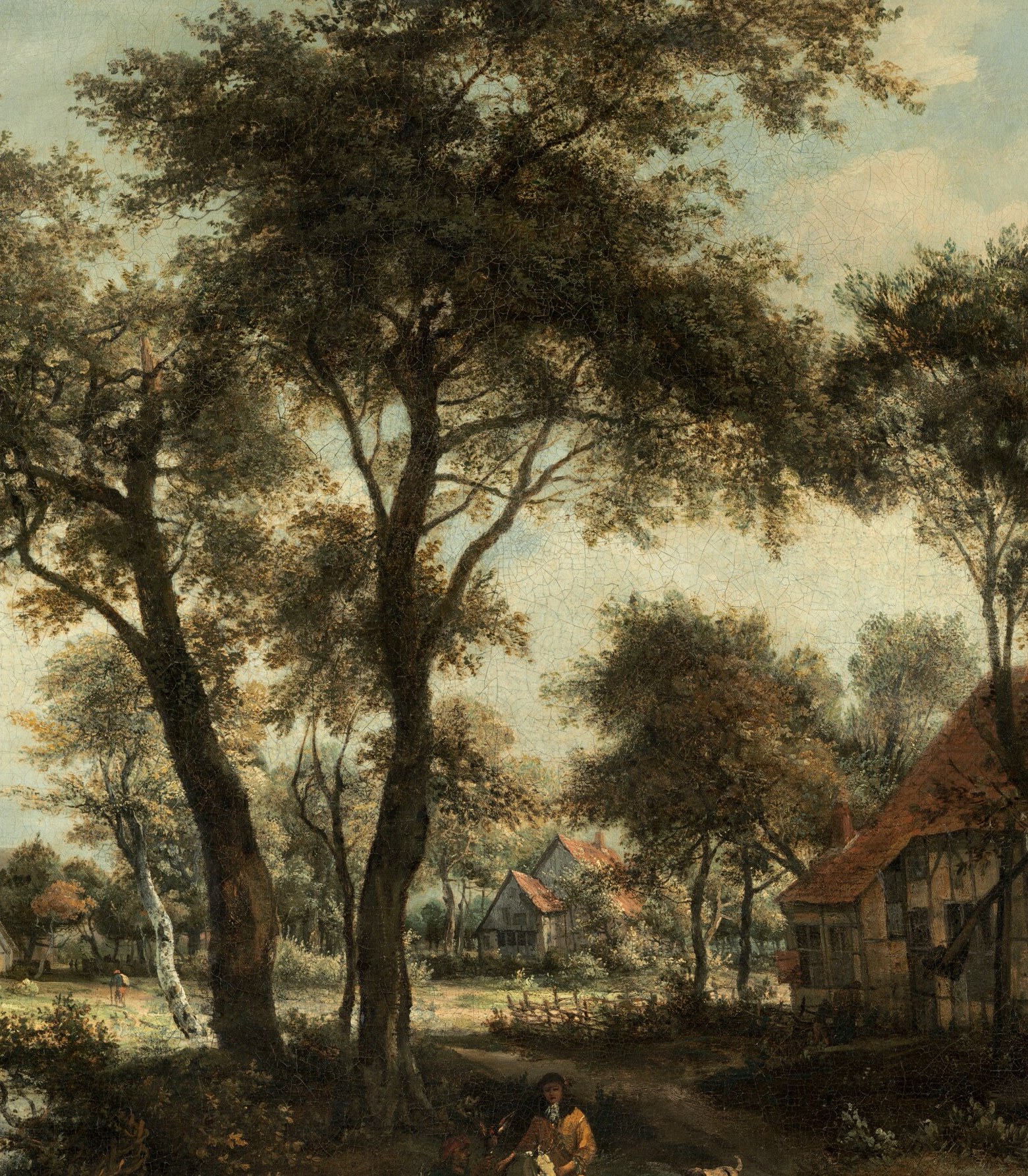
This tranquil scene, *Village near a Pool* by Meindert Hobbema, painted around 1670, now resides in a museum. But for centuries, Hobbema's works were a surprising financial powerhouse.
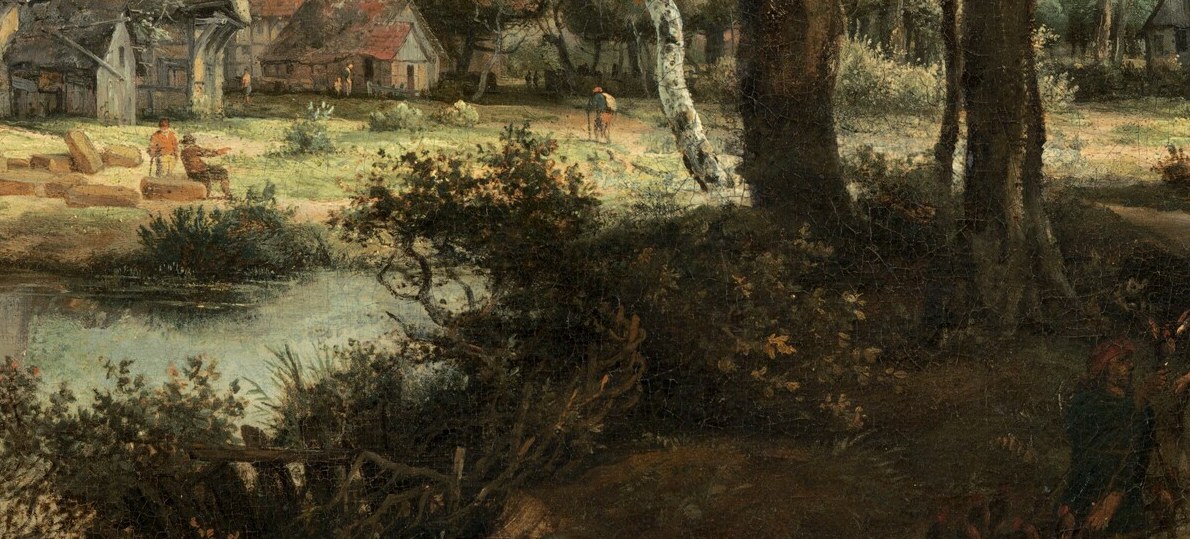
Look closely at the details: the placid water, the scattered sheep, the lone fisherman, and the distant church spire. Hobbema, a pupil of Jacob van Ruisdael, captured the serene beauty of the Dutch countryside, often featuring roads and ponds.
Despite his later fame, Hobbema was not widely recognized during his lifetime. After marrying in 1668, he took a job as an exciseman and painted very little, if at all, after 1689. Yet, from the late 18th century onward, his reputation grew dramatically, transforming his paintings into prized possessions on the art market.
This painting tells a tale not just of rural tranquility, but of changing tastes and unexpected fortunes in the art world.
Details
Transcript
This quiet Dutch village scene looks peaceful. In the 17th century, it wasn't considered very valuable. The painter worked as an exciseman, not a full-time artist. He largely stopped painting after 1668, the year he married. Yet by the 19th century, his works became highly sought-after. His landscapes were eventually traded for enormous sums. A quiet painting, a roaring investment.