The Nodding Stone Terrace, Tiger Hill, and the Thousand-Man Seat, from Twelve Views of Tiger Hill, Suzhou by Shen Zhou
This tranquil landscape, "The Nodding Stone Terrace, Tiger Hill, and the Thousand-Man Seat," is part of Shen Zhou’s Twelve Views of Tiger Hill, Suzhou series, painted in 1500 and held at The Cleveland Museum of Art. It's more than just a beautiful scene; it's steeped in meaning.
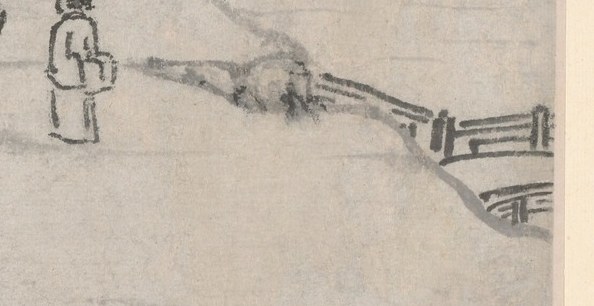
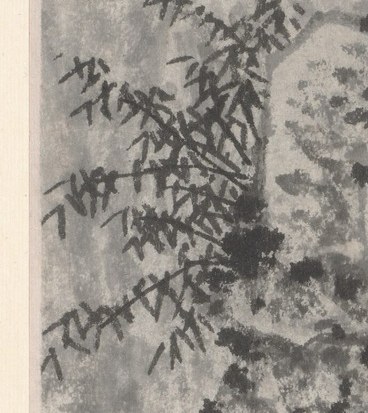
Notice the winding path leading upwards, a common symbol for life’s journey or a path to enlightenment. The prominent bamboo clump, with its delicate yet strong stalks, traditionally represents resilience and moral integrity in Chinese culture. The multi-tiered pagoda hints at spiritual places and the pursuit of wisdom.
Shen Zhou, one of the most important painters of the Ming dynasty, famously chose to pursue art rather than follow his family's tradition of government service. This decision allowed him to live a life of quiet contemplation, a sentiment often reflected in his landscapes, where figures are seen in various states of peaceful appreciation of nature.
His art invites viewers to not only appreciate the beauty of the natural world but also to reflect on deeper philosophical and spiritual truths.
Details
Transcript
This painting from 1500 shows a familiar scenic spot in China. The winding path suggests a journey, both physical and spiritual. Bamboo often symbolizes resilience and integrity in Chinese culture. A pagoda like this suggests a place of reflection and spiritual pursuit. The painter, Shen Zhou, chose painting over government service. He sought quiet contemplation, like the figures in his landscapes.