The Holy Family with Angels by Parmigianino
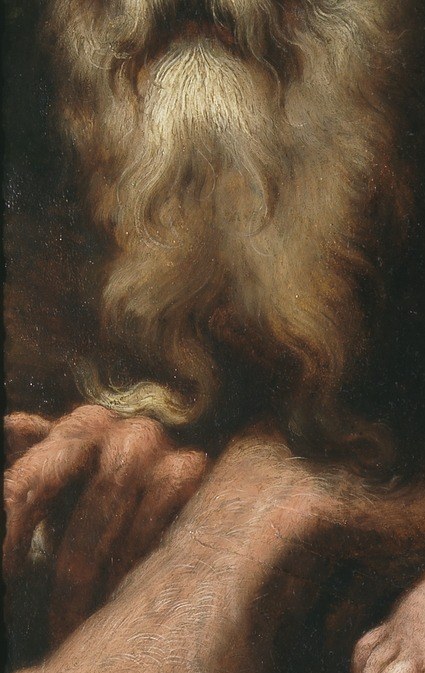
Parmigianino's "The Holy Family with Angels," painted around 1524 and now in the Museo del Prado, was praised by art historian Giorgio Vasari for its "skill and judgement." However, one particular detail of the painting drew specific attention and commentary from Vasari: St. Joseph's "hairy arms."
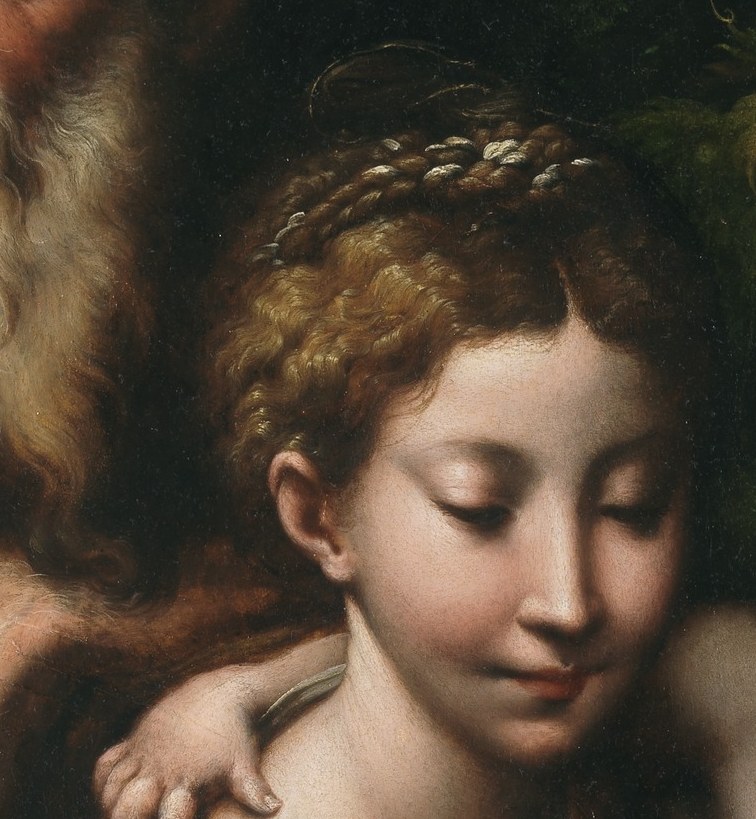
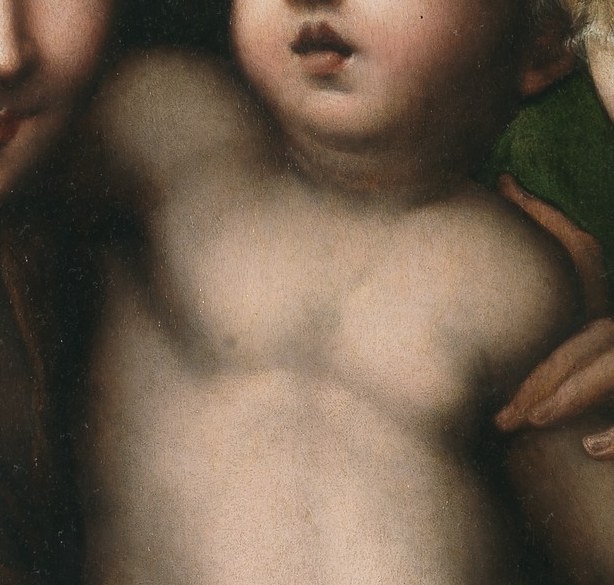
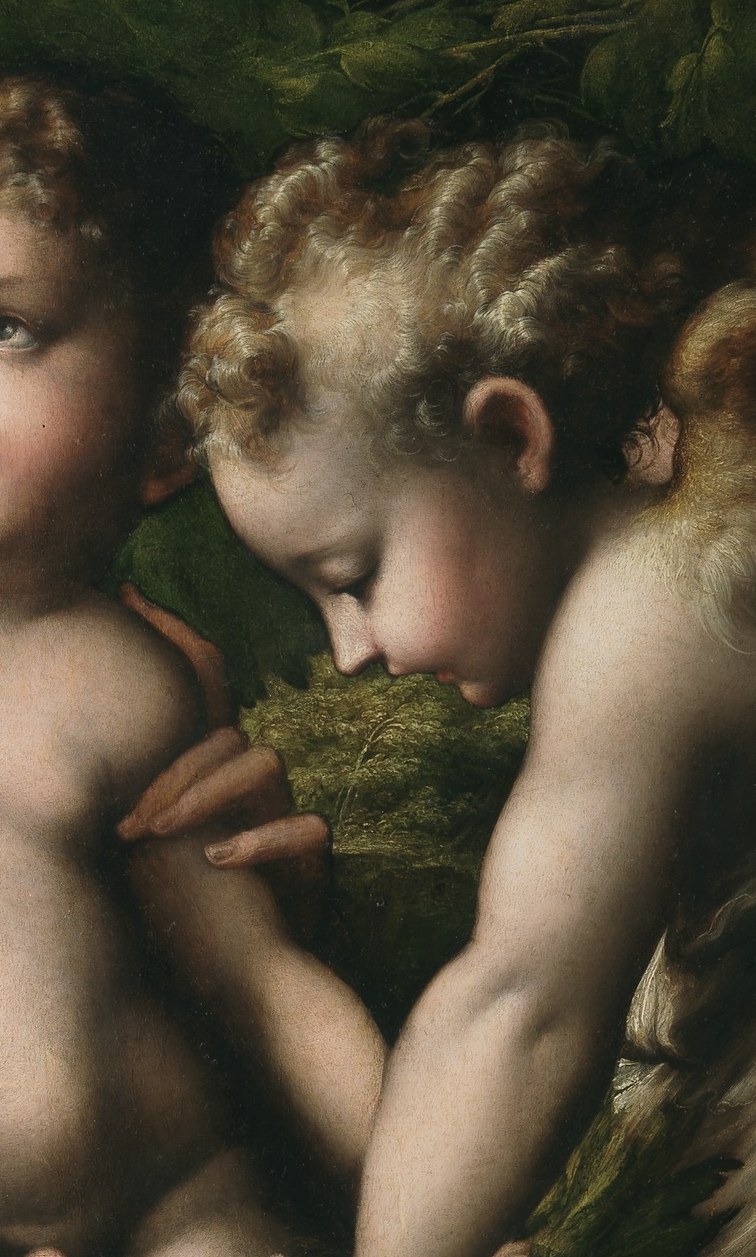
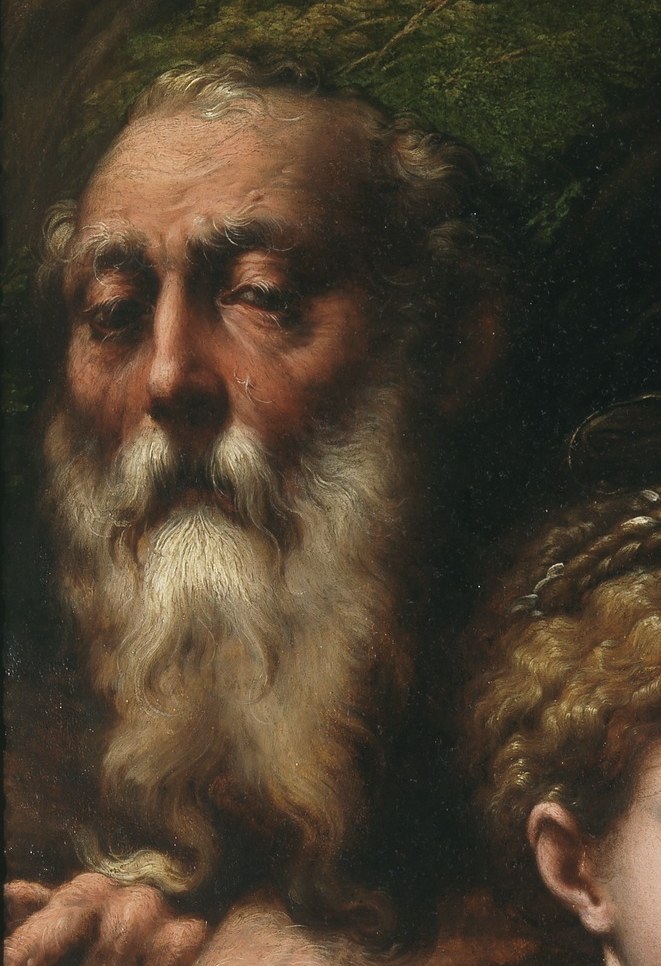
Observe the tender interaction between Mary and the Christ Child, who reaches for fruit offered by an angel. Then, look to the figure of St. Joseph, whose arm is rendered with a striking, realistic texture that Vasari felt compelled to mention.
This painting was created just before Parmigianino's influential move to Rome and was later gifted to Pope Clement VII. The early notice of St. Joseph's detailed depiction highlights the artist's keen eye for naturalism, even in a devotional subject.
It’s a small detail, but one that caught the eye of history's most famous art critic. What do you notice first?
Details
Transcript
This Holy Family was painted just before the artist went to Rome. A famous art historian praised its “skill and judgement.” Mary holds the Christ Child, who eagerly reaches for fruit. An angel offers the symbolic fruit. But the historian singled out St. Joseph’s “hairy arms.” This unexpected detail added realism to a sacred scene.