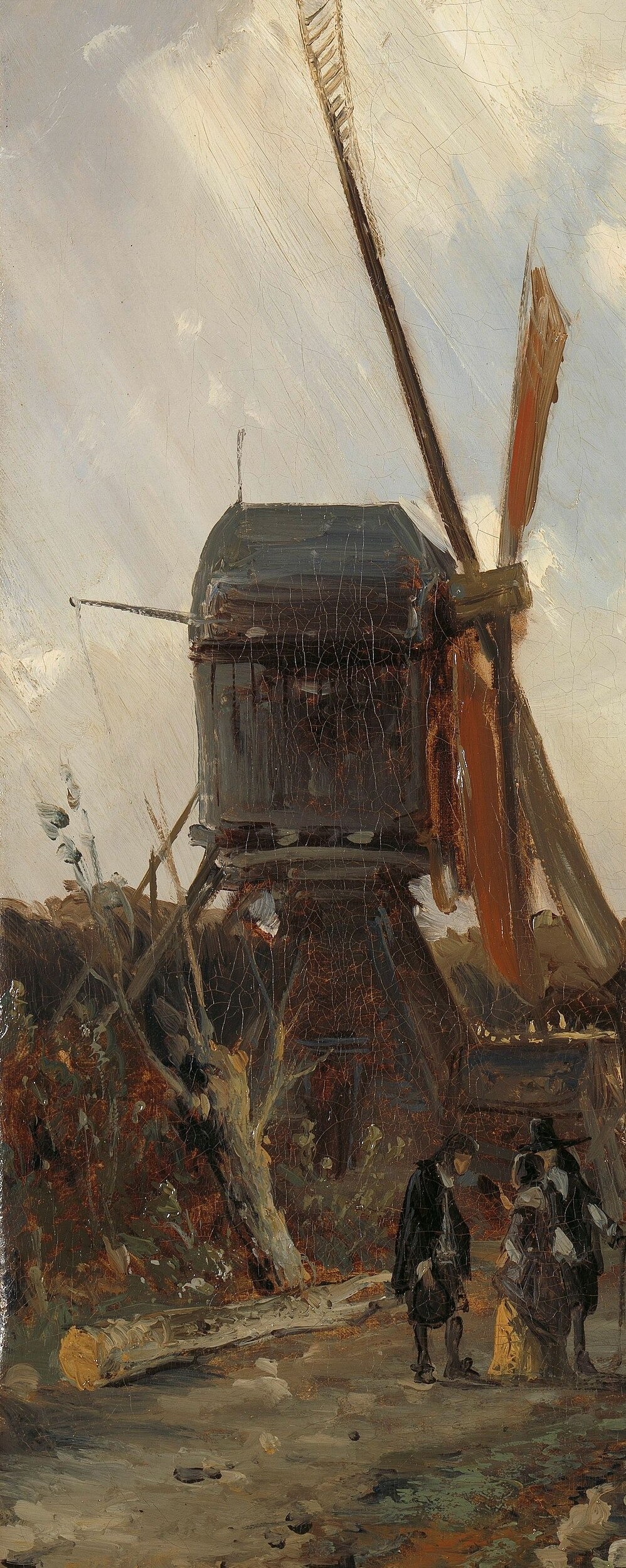
View of The Hague by Cornelis Springer
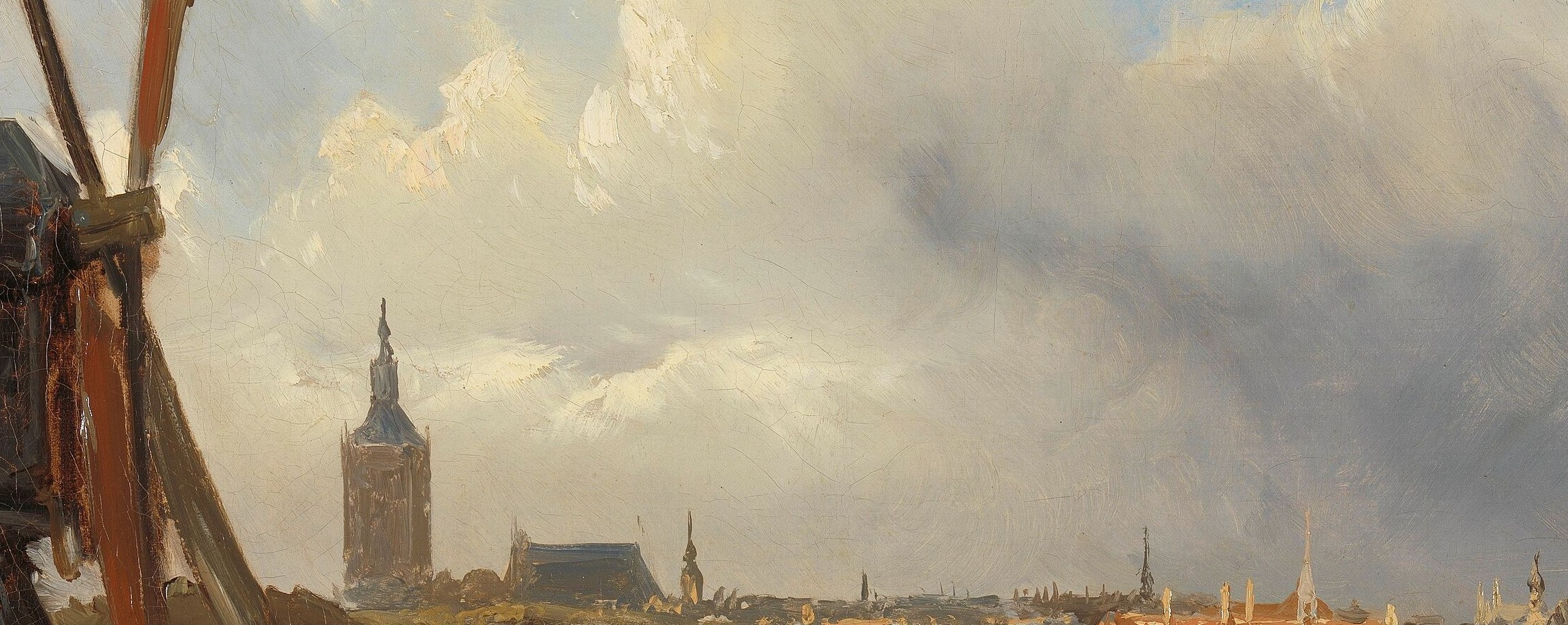
Cornelis Springer's View of The Hague (1852, Rijksmuseum) is a documentary fiction. The skyline is topographically accurate, the church tower is the Grote Kerk, and residents of the 1850s could have named every steeple along the far bank. But the scene was not painted from life.
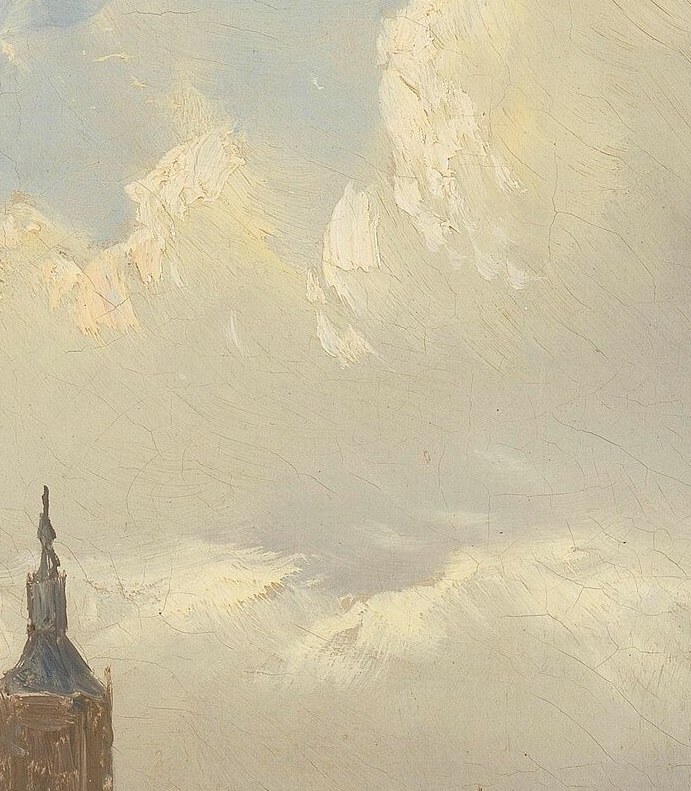
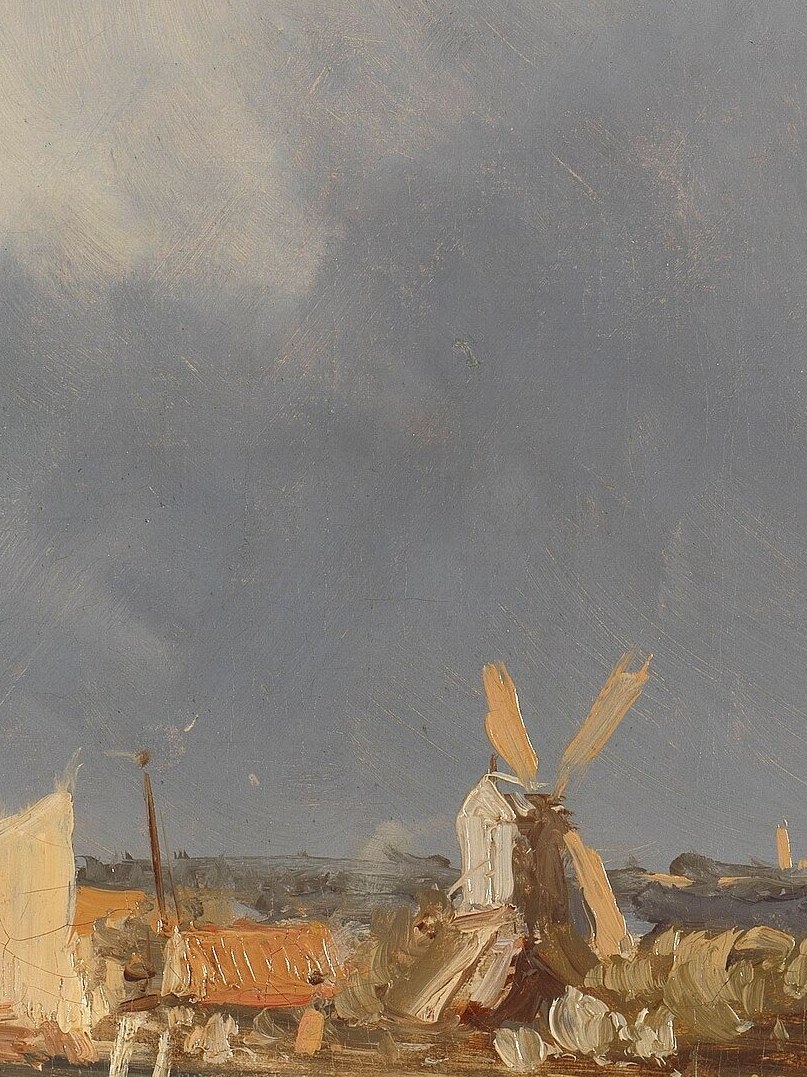
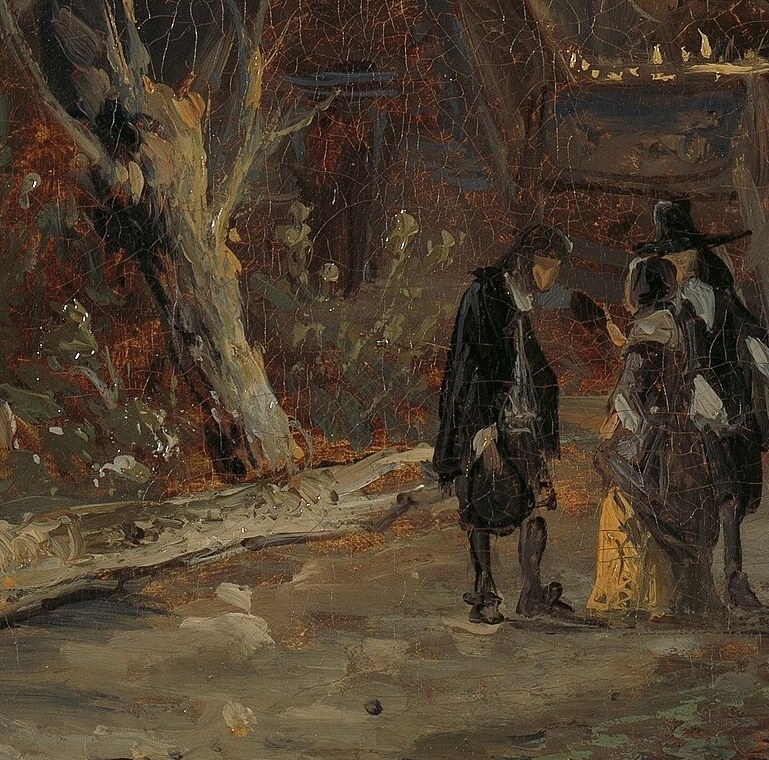
Springer worked from a high window in The Hague, making pencil studies of the view. He then returned to his studio and constructed the composition from those drawings, adjusting the light, the clouds, and the placement of the mills. The two windmills are a deliberate spatial device: one massive and near, one small and distant, compressing depth into a single breath. The figures on the towpath were painted last, added for scale and life after the architecture was complete.
The result is a city portrait that is both real and remade. What looks like a transparent window onto 19th-century The Hague is actually a careful collage of observation and invention. Springer was not deceiving anyone, his contemporaries understood the method. The deception is the painting's quietest trick: it feels so natural you never ask how it was made.
Next time you see a crisp cityscape, ask yourself: was the artist standing there, or remembering it?
Details
Transcript
The Hague, 1852. A city painted from a high window. Cornelis Springer rarely painted outdoors. He built this entire panorama inside a room. Two windmills anchor the depth. One close, one far. The church tower is a real landmark, still there today. And the figures on the towpath were the last thing he added. A city built from drawings, memory, and one fixed view.