The Bravo by Titian
Titian's "The Bravo," painted around 1520, holds a sinister secret in plain sight. This dramatic oil painting, housed at the Kunsthistorisches Museum in Vienna, at first appears to depict a tense confrontation between two men, but a closer look reveals a darker story.
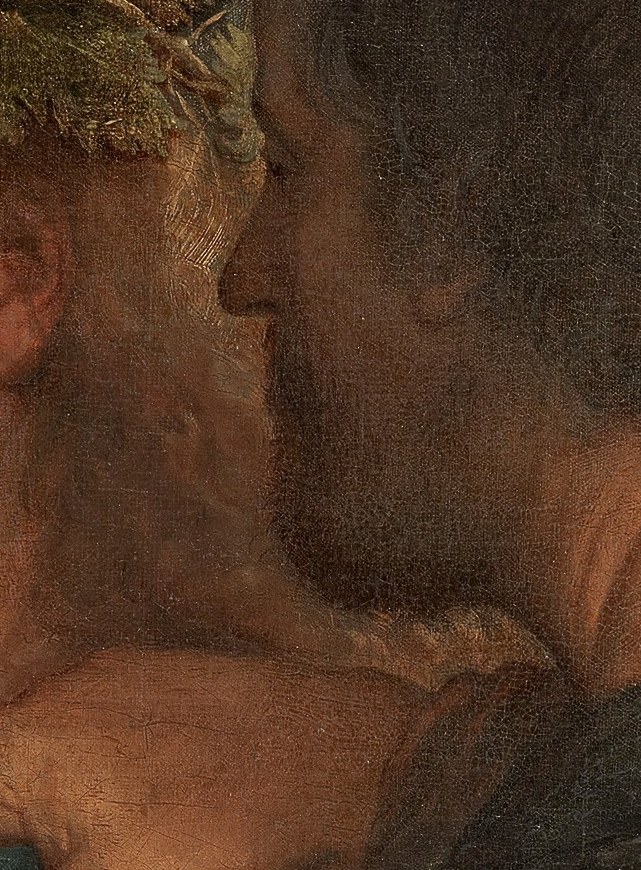
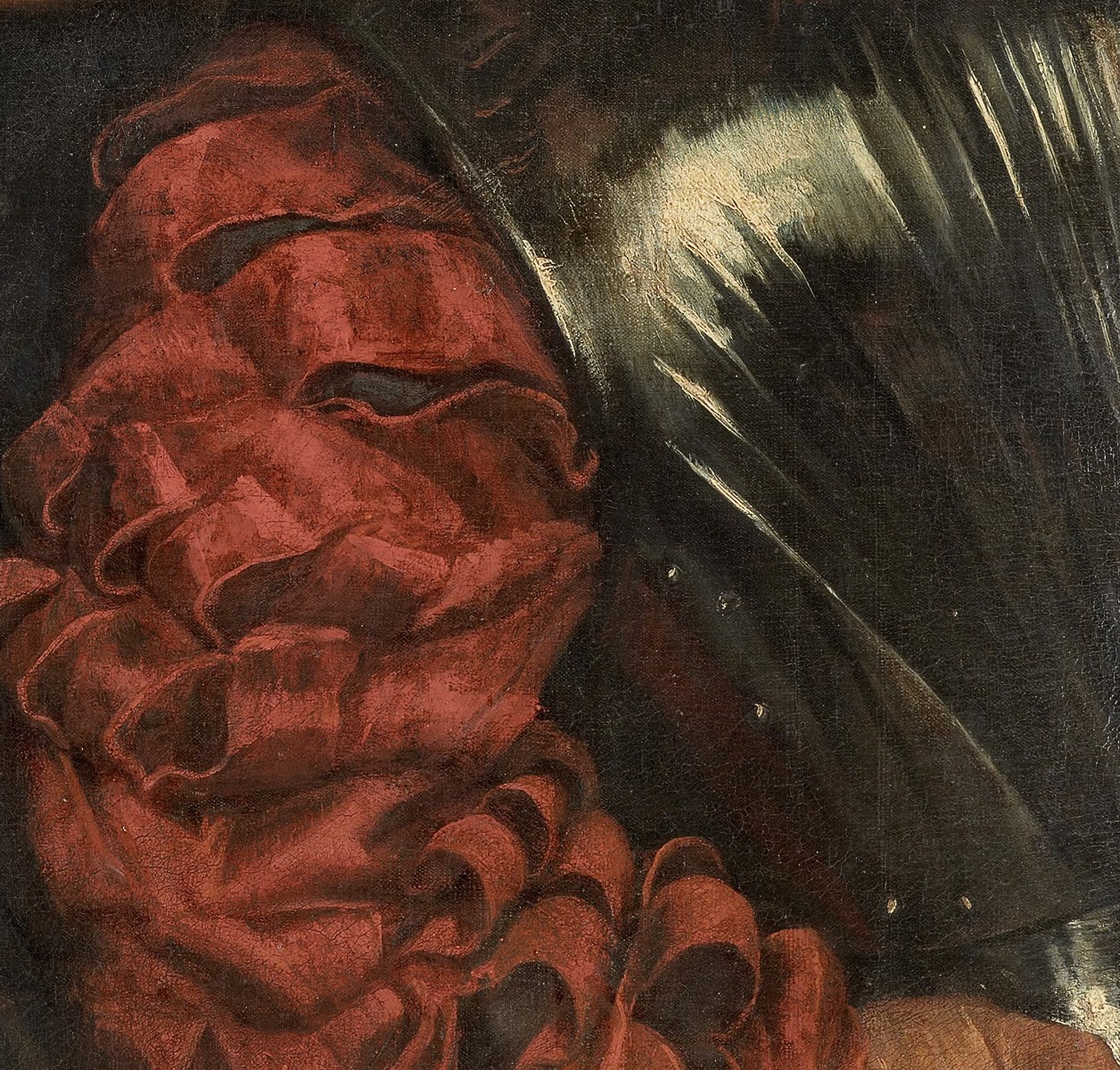
Observe the young man's startled expression and the forceful grip on his shoulder. Most striking, however, is the barely visible dagger hilt concealed beneath the voluminous red fabric. This tiny detail transforms the scene from a mere argument into a treacherous ambush, hinting at betrayal and violence.
"The Bravo" belongs to a Venetian tradition of the 1510s featuring half-length figures in ambiguous interactions. While often attributed to Titian, some scholars have also suggested Giorgione or Palma Vecchio. Its enigmatic subject and powerful use of chiaroscuro, dramatic contrasts between light and shadow, make it a compelling example of early 16th-century Venetian painting.
What other hidden details might change the meaning of a painting?
Details
Transcript
This painting seems to show a simple confrontation. The young man's wide, startled eyes plead for help. The other man's face is obscured, adding to the mystery. His hand on the shoulder suggests a sudden, aggressive grip. Look closely: beneath the folds of red fabric. There, a dagger hilt is barely visible, hidden from view. This small detail transforms a struggle into an ambush. It's why the painter named it 'The Bravo,' or 'The Assassin.'