Pastoral Landscape: The Roman Campagna by Claude Lorrain
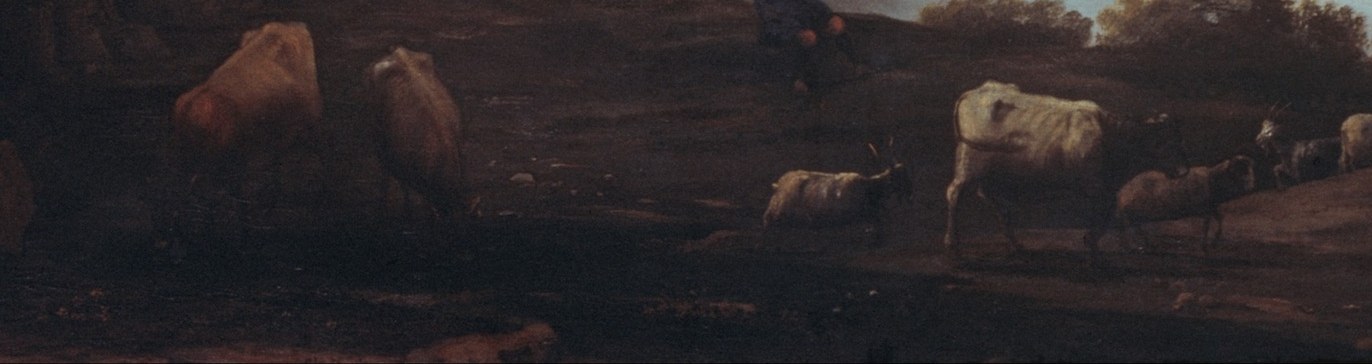
This is Claude Lorrain's 'Pastoral Landscape: The Roman Campagna,' painted in 1639. It belongs to the Metropolitan Museum of Art, but for a decade, it belonged to a bank vault in Germany.
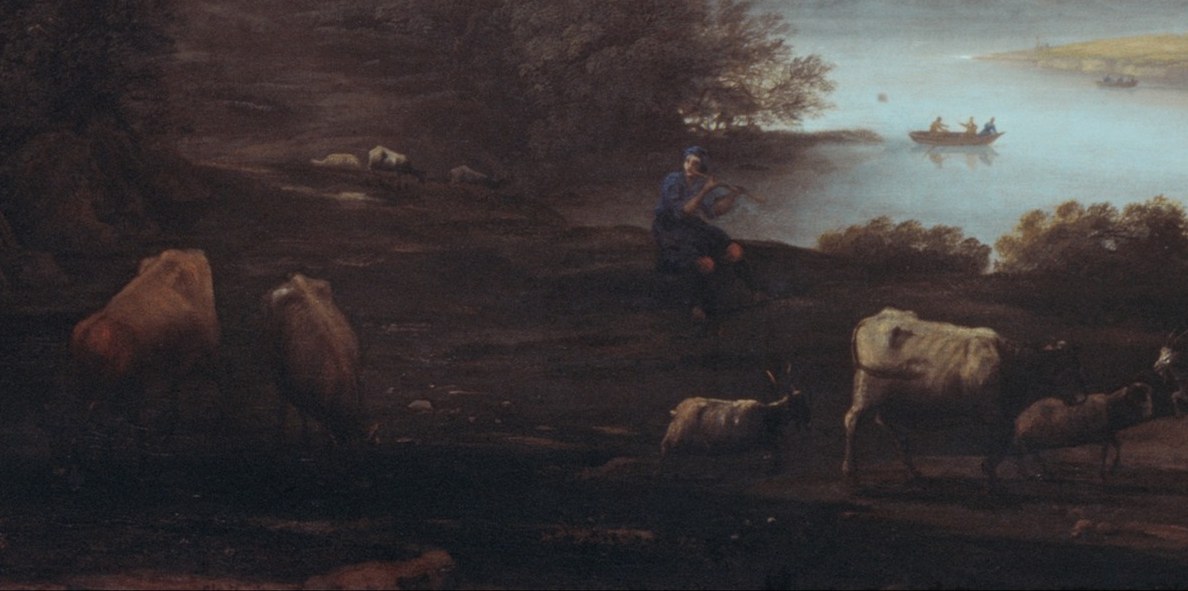
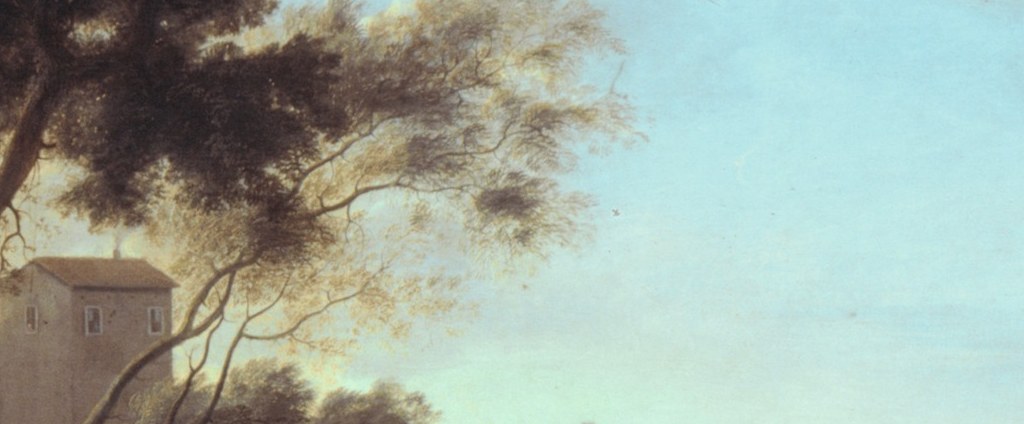
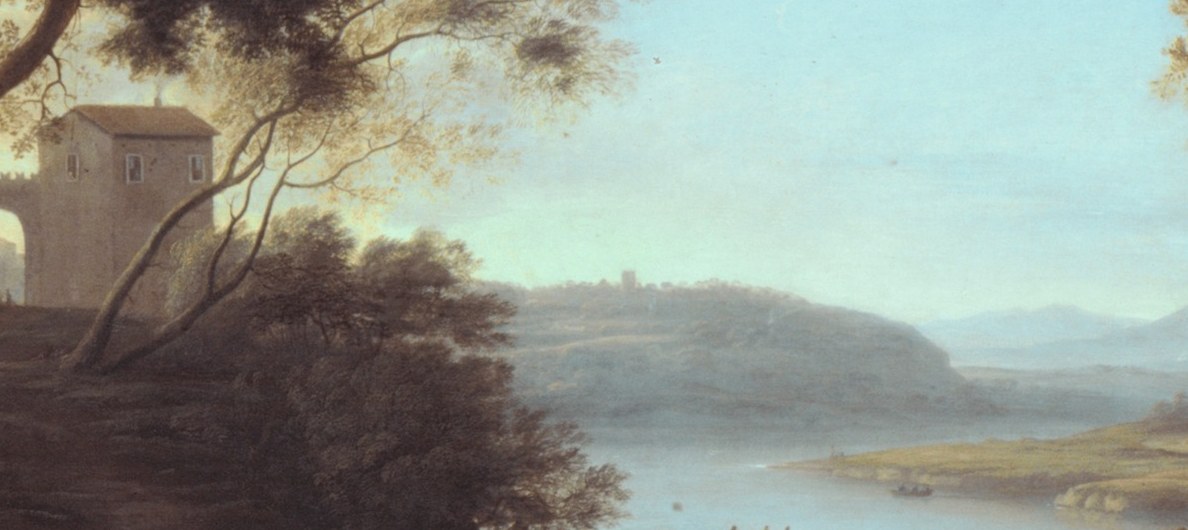
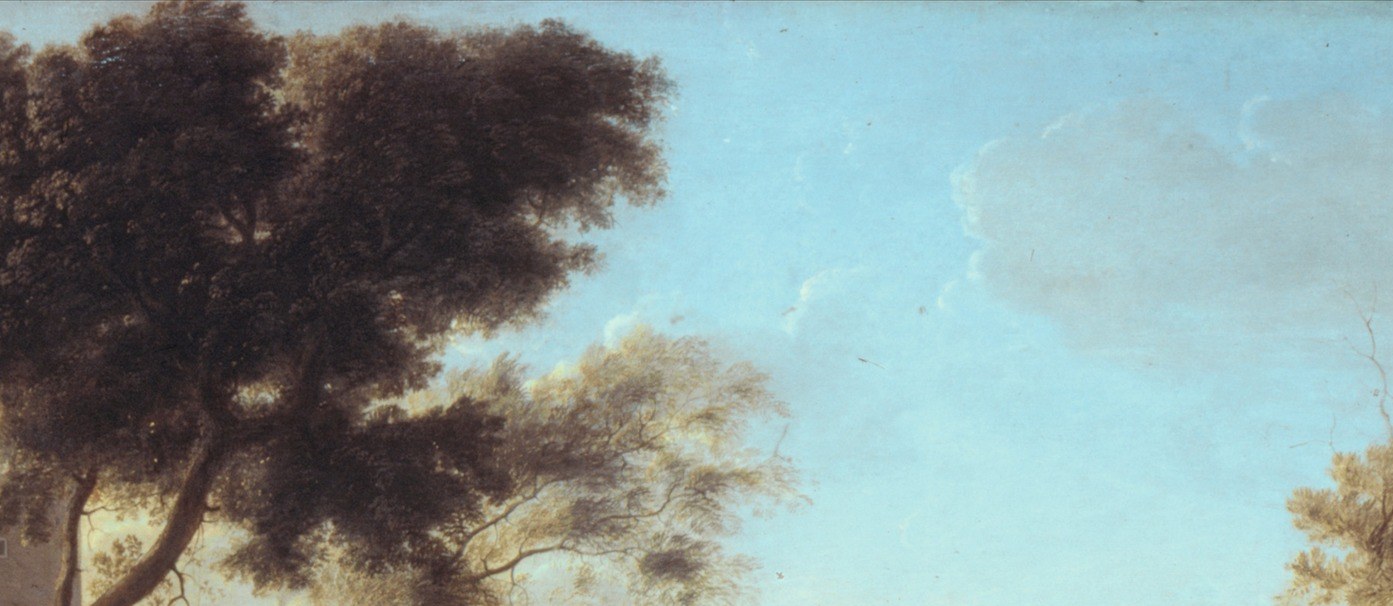
Look at how the light works: the sun sits just below the horizon, flooding the river with diffuse gold. Claude was the first painter to make streaming sunlight a central subject. The dark trees on both sides act like stage curtains, pushing your eye straight into that glow.
In 1939, a German dealer paid the highest price ever recorded for a Claude. A few years later, Allied bombs destroyed his gallery. He buried his collection for safekeeping. A Soviet patrol found it and held the paintings hostage, demanding one million rubles. The dealer's son negotiated for years, selling off other works to raise the ransom.
By the time the painting finally reached the US, it had been locked in a bank vault for ten years. It entered the Met in 1965. The quietest landscape can carry the loudest history.
Details
Transcript
This painting looks like pure peace. Cattle graze beside a quiet river. The golden light is what made Claude Lorrain famous. He charged more for a landscape than anyone alive. In 1939, a German dealer paid a record price for it. Then the Luftwaffe bombed his gallery. He buried his collection. A Soviet patrol dug it up. They demanded one million rubles to give it back.